


Caring for Your Child’s Tooth After a Pulpotomy: A Complete Guide
What is a Pulpotomy?
A pulpotomy is a dental procedure performed on children’s primary (baby) teeth to preserve the tooth and prevent extraction. It’s a common treatment option when the inner pulp of the tooth, which contains nerves and blood vessels, becomes infected due to deep decay or trauma.
Here’s a breakdown of the term “pulpotomy”:
- Pulp: The inner soft tissue of the tooth contains nerves and blood vessels.
- -Tomy: A surgical procedure involving cutting.
During a pulpotomy, only the infected portion of the pulp is removed, leaving the healthy root and surrounding tooth structure intact. This allows the tooth to remain functional until it naturally falls out and is replaced by an adult tooth.
Why Might a Child Need a Pulpotomy?
There are two main reasons why a Spanaway dentist might recommend a pulpotomy for your child:
- Deep Tooth Decay: If a cavity isn’t treated promptly, it can progress through the enamel and dentin layers of the tooth, eventually reaching the pulp. This can cause significant pain and inflammation.
- Dental Trauma: A blow to the mouth can damage the pulp, even if the tooth itself doesn’t appear cracked or broken. In such cases, a pulpotomy might be necessary to prevent further complications.
What Happens During a Pulpotomy Procedure?
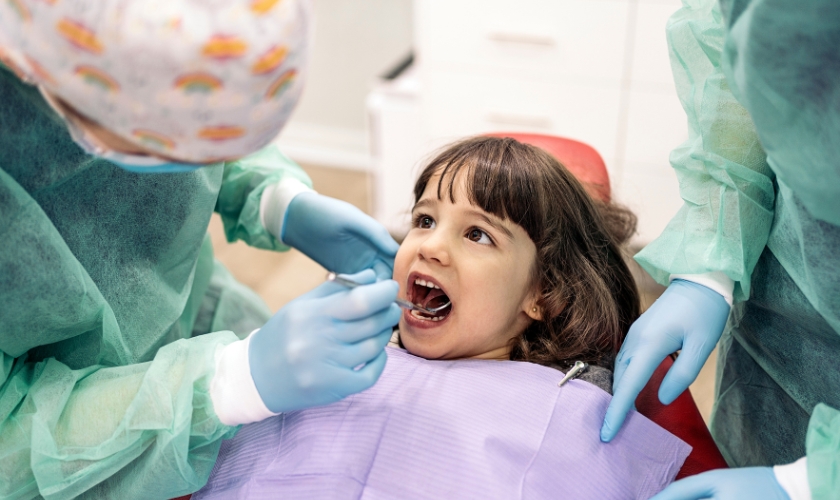
A pulpotomy is typically an outpatient procedure performed under local anesthesia to numb the area around the tooth. Here’s a general overview of the steps involved:
- Numbing the Area: Local anesthesia is administered through an injection to ensure your child feels no pain during the procedure.
- Isolating the Tooth: A dental dam, a sheet of latex placed around the tooth, is used to keep the area clean and dry.
- Accessing the Pulp: The dentist in Spanaway, WA, will carefully create a small opening in the top of the tooth to access the inflamed pulp.
- Removing Infected Pulp: The infected portion of the pulp is carefully removed using specialized instruments.
- Placing Medication: A medication may be placed on the remaining healthy pulp to prevent further infection and promote healing.
- Sealing the Tooth: A temporary filling is placed on the tooth to seal it and protect the underlying tissue.
- Permanent Crown: In some cases, a permanent crown might be recommended to further protect the tooth and improve its aesthetics. This will likely be done in a follow-up appointment.
Recovery After Pulpotomy
Following a pulpotomy, your child’s mouth will be healing, and some discomfort is to be expected. This section will guide you through what to expect during recovery and how to manage any potential side effects.
Expected Timeline for Healing After a Pulpotomy
Most children experience some sensitivity or mild pain in the treated tooth for a few days following the procedure. This discomfort is usually manageable with over-the-counter pain relievers like acetaminophen or ibuprofen.
Here’s a general timeline for what to expect:
- First 24-48 Hours: The treated area might be sensitive to touch and temperature changes. Some swelling in the gums around the tooth may also occur, but it should subside within a day or two.
- 3-7 Days: Discomfort should gradually decrease. It’s important to continue with good oral hygiene practices and a soft food diet during this time.
- One Week and Beyond: Most children experience no further discomfort by the one-week mark. However, continue monitoring your child and contact your dentist near Spanaway if any concerns arise.
Remember, this is just a general guideline. Every child heals at their own pace. Be sure to follow your dentist’s specific instructions for post-pulpotomy care.
Potential Side Effects and How to Manage Them
While uncommon, some side effects can occur after a pulpotomy. Here are some to watch for and how to manage them:
- Pain: Over-the-counter pain relievers like acetaminophen or ibuprofen can usually manage mild discomfort.
- Sensitivity: Encourage your child to avoid very hot or cold foods and drinks that can exacerbate sensitivity.
- Swelling: Minor swelling in the gums around the treated tooth is common and should subside within a day or two. A cold compress applied to the cheek can help reduce swelling.
If your child experiences any of the following, contact your dentist immediately:
- Severe or persistent pain that doesn’t improve with medication
- Increased swelling in the face or gums
- Fever
- Difficulty breathing
- Pus draining from the tooth
Signs of Complications to Watch Out For
While pulpotomy is a successful procedure for most children, there’s a slight chance of complications. Be aware of these signs and contact your dentist near Spanaway if you notice any:
- Persistent pain that worsens over time
- Prolonged swelling in the face or gums
- The temporary filling falls out, and the tooth becomes exposed
- Signs of infection, such as fever or pus drainage
At-Home Care for Your Child’s Tooth
Following a pulpotomy, proper at-home care is crucial for promoting healing and preventing complications. Here are some key points to remember:
Brushing and Flossing After a Pulpotomy
Maintaining good oral hygiene is essential after a pulpotomy to prevent further infection and promote healing. However, it’s important to be gentle around the treated tooth to avoid irritation.
- Brushing: Use a soft-bristled toothbrush and gentle fluoride toothpaste to brush your child’s teeth twice a day, focusing on all surfaces of the teeth. Avoid applying too much pressure, especially on the treated tooth.
- Flossing: Flossing once a day is also important to remove plaque and food debris from between the teeth. Use a gentle flossing technique, and be careful not to snag the floss on the temporary filling.
It’s a good idea to supervise your child’s brushing routine, especially for younger children, until they can manage gentle and thorough cleaning on their own.
Importance of Good Oral Hygiene for Healing
Good oral hygiene practices help keep the mouth clean and free of bacteria that can cause further infection. Here’s how it benefits healing after a pulpotomy:
- Reduces Bacteria: Brushing and flossing remove plaque and bacteria that can contribute to inflammation and infection.
- Promotes Healing: A clean environment allows the treated tooth and surrounding tissues to heal properly.
- Prevents Complications: Good oral hygiene helps minimize the risk of complications such as persistent pain or abscess formation.
By maintaining good oral hygiene, you can significantly contribute to your child’s smooth recovery after a pulpotomy.
Pain Management Tips: Over-the-Counter Medications & Natural Remedies
It’s normal for your child to experience some discomfort after a pulpotomy. Here are some ways to manage pain:
- Over-the-Counter Pain Relievers: If recommended by your Spanaway dentist, you can administer age-appropriate doses of acetaminophen or ibuprofen to manage mild pain.
- Natural Remedies: Some natural remedies may also help soothe discomfort. Consider a cool compress applied to the cheek or a saltwater rinse (one-half teaspoon of salt dissolved in a warm glass of water) to reduce swelling.
Diet Recommendations After Pulpotomy
Following a pulpotomy, your child’s mouth will heal and be potentially sensitive. A soft food diet for the first few days will help minimize discomfort and promote healing. Here’s a breakdown of what to include and avoid in your child’s diet during this time.
Soft Food Options for the First Few Days
Sticking to soft foods allows your child to chew comfortably without putting strain on the treated tooth. Here are some excellent soft food options:
- Dairy Products: Yogurt, soft cheese, pudding, milkshakes (avoid very cold temperatures)
- Fruits: Applesauce, mashed banana, ripe pears, canned peaches
- Vegetables: Mashed potatoes, steamed carrots, well-cooked green beans, avocado
- Grains: Soft bread, cooked pasta, oatmeal, pancakes (avoid crunchy toppings)
- Soups: Cream soups, vegetable soups, broth-based soups (avoid chunky varieties)
These soft food options provide essential nutrients for your child’s overall health and healing while minimizing discomfort.
Foods to Avoid That Could Irritate the Treated Tooth
Certain foods can irritate the treated tooth and hinder healing. Here’s what to avoid during the initial recovery period:
- Hard Foods: Nuts, seeds, raw vegetables, hard candies, popcorn
- Sticky Foods: Caramel, chewy candy, fruit leathers
- Chewy Foods: Gummy bears, chewy granola bars, tough meats
- Spicy Foods: Spicy foods can irritate the gums and exacerbate discomfort.
- Hot Foods: Very hot foods can cause sensitivity. Opt for lukewarm or cool temperatures.
By avoiding these foods, you can help minimize irritation and promote a smooth recovery for your child.
Gradually Reintroducing Solid Foods Back into the Diet
After a few days on a soft food diet, you can gradually reintroduce solid foods back into your child’s diet as tolerated. Here’s how to approach this:
- Start with Soft Solids: Begin with softer solid foods like cooked chicken or fish, scrambled eggs, and soft cheeses.
- Monitor Tolerance: Pay attention to how your child tolerates each new food. If they experience any discomfort, go back to softer options.
- Introduce Gradually: Don’t overwhelm your child by introducing too many new foods at once. Gradually reintroduce familiar favorites over several days.
Frequently Asked Questions
Can my child play sports after a pulpotomy?
Generally, yes, your child can resume normal activities, including sports, after a pulpotomy. However, it’s wise to take precautions to minimize the risk of further trauma to the treated tooth. Consider using a mouthguard during contact sports to protect the tooth. Discuss any concerns with your dentist for specific recommendations based on your child’s case.
What if the temporary filling falls out?
If the temporary filling falls out, contact your dentist as soon as possible. While a missing filling doesn’t necessarily indicate a serious problem, it’s important for your dentist to examine the tooth and place a new filling to protect the exposed area from bacteria and further infection.
Is there anything else I can do to help my child heal?
Here are some additional tips to promote your child’s comfort and healing after a pulpotomy:
- Encourage Rest: Allow your child extra rest to promote healing.
- Hydration: Ensure your child stays well-hydrated by offering plenty of fluids.
- Warm Compress: A cool compress applied to the cheek outside the treated area can help reduce swelling during the first 24-48 hours.
Pain Management: Continue administering pain medication as prescribed by your dentist if needed.