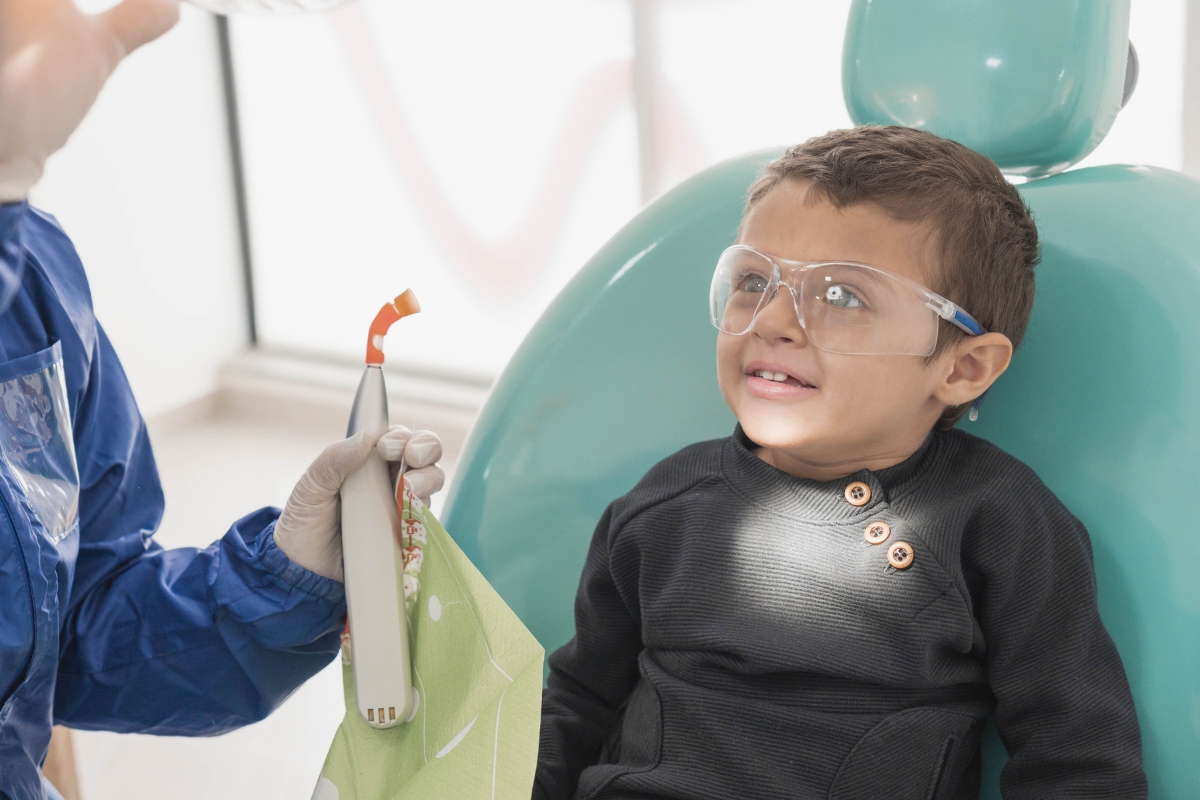




Early Warning Signs That Your Child May Need Root Canal Therapy
Tooth pain in kids is easy to dismiss. Children complain about a lot of things, and it’s tempting to assume the discomfort will pass on its own. But when the issue involves the inner part of a tooth, the pulp, which contains the nerves and blood vessels, waiting often makes things significantly worse. Knowing which symptoms to take seriously can be the difference between a straightforward procedure and a far more complicated situation.
This guide walks through the signs that parents should watch for, explains what’s happening inside the tooth when those signs appear, and helps you understand why acting early almost always leads to a better outcome for your child.
Why Baby Teeth Sometimes Need Root Canal Treatment
There’s a common misconception that baby teeth don’t matter much because they’ll eventually fall out. That thinking can lead parents to delay care, and it’s one of the more costly assumptions in pediatric dentistry. Baby teeth hold space for permanent teeth, support proper speech development, and allow children to chew normally. Losing a tooth prematurely due to an untreated infection can cause the surrounding teeth to drift, creating alignment problems that can become expensive to correct later.
The American Academy of Pediatric Dentistry (AAPD) is clear that when the pulp, the soft tissue at a tooth’s core, becomes infected or severely inflamed, root canal therapy for children is often the most appropriate treatment to preserve the tooth until it naturally falls out on schedule.
Studies show that around 50% of children aged 6 to 11 develop cavities. When decay goes unaddressed and reaches the pulp, pulp therapy becomes necessary. The earlier that treatment happens, the less extensive and less stressful it tends to be for the child.
Warning Signs Parents Should Never Ignore
Understanding the symptoms that point toward pulp involvement gives you a meaningful head start. Here’s what to look for:
Persistent or Unexplained Toothache
Occasional tooth discomfort after eating something hard or cold is one thing. A toothache that shows up without any obvious cause, lingers well past the meal, or wakes your child up at night is a different matter entirely. Unprovoked, throbbing pain is often a sign that the nerve tissue inside the tooth is inflamed or infected – not just surface-level sensitivity. If your child has started repeatedly complaining about a tooth, that pattern warrants a professional evaluation.
Sensitivity That Doesn’t Fade
Temperature sensitivity on its own doesn’t always mean the pulp is affected. But when your child drinks something cold or warm and keeps saying their tooth hurts several minutes after they’ve finished, that lingering response is a meaningful signal. The AAPD classifies this ongoing sensitivity as a potential sign of irreversible pulpitis, meaning the inflammation inside the tooth has progressed to a point where it can’t heal on its own.
Tooth Discoloration
A tooth that’s turned grayish or noticeably darker than the surrounding teeth has often experienced internal trauma or ongoing pulp changes that have altered its color from within. This can happen after a fall or collision, even when the tooth doesn’t look cracked on the surface. An injury that damages the pulp internally may show no obvious external signs for weeks before the discoloration appears. If you notice a tooth changing color after a bump to the mouth, have it evaluated.
Swelling or a Pimple-Like Bump on the Gums
A small, raised bump on the gum tissue near a tooth is called a dental abscess or a sinus tract, which is one of the signs that infection has already traveled beyond the pulp. These bumps can come and go and sometimes don’t cause significant pain, which is why parents may miss them. The infection may actually fluctuate in pressure, which is why the bump appears and disappears. Don’t let the absence of pain reassure you – active infection is still present and needs treatment.
Pain When Biting or Chewing
A child who starts favoring one side of their mouth, avoids certain foods, or reports that a specific tooth hurts when they bite down may be experiencing pulp-related pain. Pressure on an infected tooth typically triggers a distinct type of discomfort. You might also notice your child becoming reluctant about foods they used to enjoy, or chewing much more carefully than usual.
Visible Decay That Has Spread
Sometimes the sign isn’t a symptom your child can put into words – it’s something you can see. A cavity that’s become a visible hole, a tooth that looks brown or gray across a wide area, or a tooth that feels rough or broken is often a tooth where decay has advanced significantly. Root canal therapy for children is commonly recommended when decay has reached or is very close to the pulp, because a standard filling won’t adequately address the infection that’s already taken hold.
What Happens When Treatment Is Delayed
An untreated pulp infection doesn’t stay contained. It spreads into the surrounding bone, to adjacent teeth, and in severe cases, into the soft tissue structures of the face and jaw. What begins as localized discomfort can escalate into a dental emergency that’s far more involved and uncomfortable than the original problem. Beyond the immediate health concerns, early tooth loss from untreated infection affects how adult teeth come in, often necessitating orthodontic treatment that could have been avoided.
For children in the Spanaway, WA area, catching these issues early makes a real difference. Families in the South Sound region who notice any of these symptoms have access to pediatric dental care designed for children, with gentle techniques and an environment that helps kids feel calm rather than anxious.
What Pulp Therapy Involves
Root canal therapy for children is not as extensive as adults expect. Depending on how far the infection has progressed, the procedure is either a pulpotomy, which removes only the damaged portion of the pulp, or a pulpectomy, which addresses the entire pulp. In both cases, the tooth is numbed, the affected tissue is removed, the area is disinfected, and a medicament is placed. Most treated teeth receive a protective crown afterward to restore their function and prevent further damage.
Modern pediatric techniques mean most children experience minimal discomfort during the procedure, often far less than the ongoing pain of the infection itself. That’s worth keeping in mind if the idea of the treatment feels more daunting than the problem.
Spanaway Children’s Dentistry works with younger patients, which means every aspect of the visit, from how procedures are explained to how sedation options are handled, is calibrated for children, not adapted from adult care.
Book an Appointment Before the Problem Grows
Dental infections in children are not self-resolving. If your child is showing any of the signs described here – persistent pain, sensitivity that lingers, a dark tooth, a bump on the gum, or visible decay- schedule an appointment with Spanaway Children’s Dentistry today. An early evaluation gives you the complete picture and keeps your child’s treatment options as simple as possible.
People Also Ask
Q: Are root canals on baby teeth safe?
Yes. Pulp therapy on baby teeth is a well-established pediatric procedure with a strong safety record. The American Academy of Pediatric Dentistry endorses pulpotomy and pulpectomy as standard treatments. Modern anesthesia and sedation options make it comfortable and appropriate for young patients.
Q: Will my child need to be sedated for root canal treatment?
Not necessarily. Many children do well with local anesthesia alone. For younger children, those with significant dental anxiety, or children with special healthcare needs, sedation options, including nitrous oxide or general anesthesia, are available and routinely used in pediatric dental practices to ensure a calm, safe experience.
Q: What happens if a baby tooth with an infection is just extracted instead?
Early tooth loss from extraction can cause neighboring teeth to shift into the empty space, disrupting the path for incoming permanent teeth. This often creates crowding or alignment problems that require orthodontic treatment later. A space maintainer may be placed after extraction, but preserving the natural tooth is generally the preferred outcome when possible.
Q: How long does a pediatric root canal take?
Most pulpotomies (partial root canals) are completed in a single appointment, typically within 30 to 60 minutes. A pulpectomy may take slightly longer. Your child’s dentist will give you a clear time estimate based on the specific tooth and the extent of the treatment needed.
Q: My child isn’t complaining of pain – can they still have a pulp infection?
Yes. This is one of the reasons regular dental checkups matter so much. Pulp infections in children don’t always cause obvious pain, particularly in the early stages or when the nerve tissue has already lost vitality. A dentist can identify signs of infection through X-rays and a clinical exam, even before symptoms become noticeable to the child or parent.