

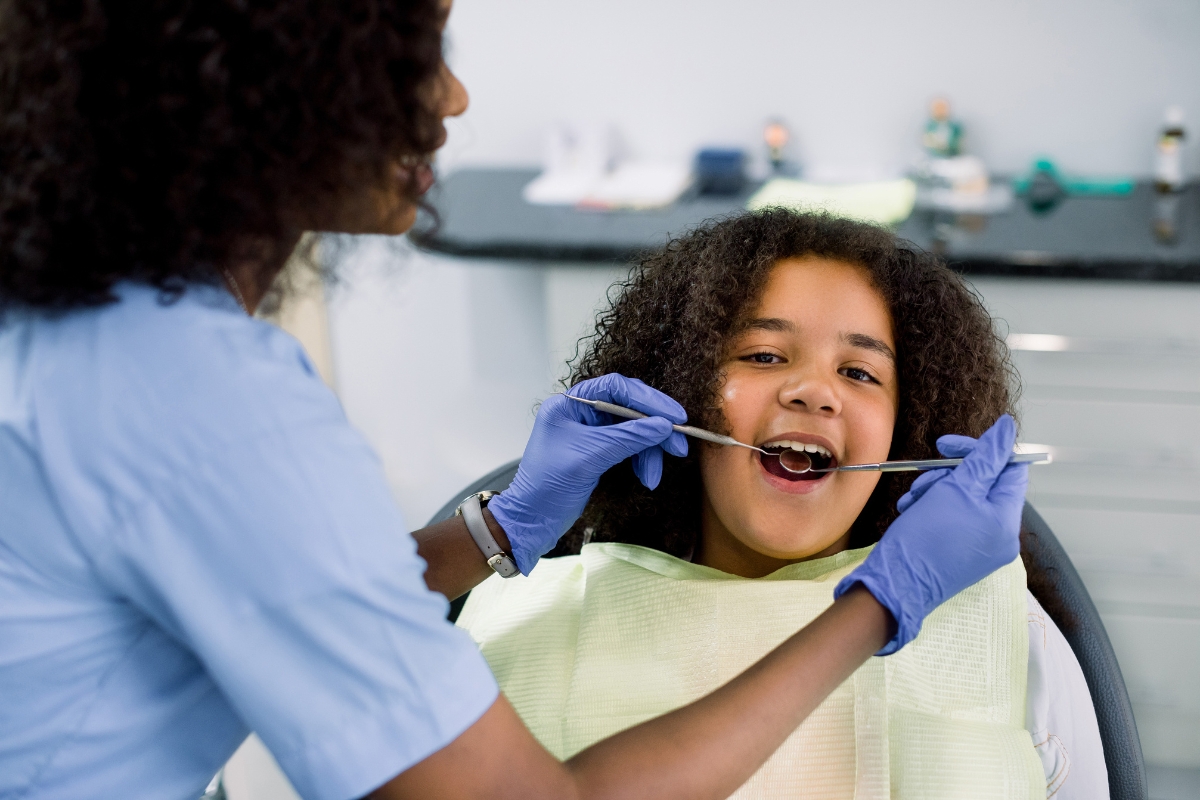
Five Phrases to Avoid When Taking Your Child to the Dentist
As a parent, preparing your child for their dental visit can feel like a daunting task. You want to make sure they’re calm and confident, but sometimes, the words we use to ease their fears can actually make them more anxious.
Many parents, with the best intentions, might unknowingly say things that unintentionally amplify a child’s worries. The truth is, what you say before and during the visit can have a significant impact on how your child feels about their dental experience.
This blog aims to help parents understand five common phrases that can heighten dental anxiety and offer better alternatives to foster a more relaxed and positive visit. By focusing on supportive and clear communication, you can ensure that your child has a stress-free experience and develops healthy attitudes toward oral care.
At Spanaway Children’s Dentistry, we believe that the right words can make a world of difference in how your child perceives their dentist visit.
Phrase #1 – “It won’t hurt, I promise!”
Why to Avoid It:
One of the most commonly used phrases by parents is “It won’t hurt, I promise!” While the intention behind this phrase is to reassure your child, it can have an unintended consequence. If your child does experience discomfort, even minor, they may feel betrayed or anxious about future dental visits.
Children can be sensitive to pain, and their perception of discomfort may differ from yours. By making promises about pain-free experiences, you create expectations that may not always match reality, which could heighten their anxiety.
Better Alternative:
Instead of promising that it won’t hurt, it’s better to acknowledge your child’s feelings and encourage them to stay calm. You might say, “The dentist will help you feel better and do everything to make sure you’re comfortable.” This phrasing puts the focus on the expertise of a pediatric dentist in Spanaway in managing discomfort while allowing your child to understand that any minor discomfort is just part of the process. It’s also essential to mention that the dentist’s role is to help them stay healthy, which will make them feel more secure.
It’s also a good idea to use positive reinforcement throughout the visit. For example, if they sit still or cooperate during the appointment, remind them of how brave they are. This focus on comfort and courage can go a long way in easing their fears.
Phrase #2 – “You’re going to be fine.”
Why to Avoid It:
When parents say, “You’re going to be fine,” it’s often an attempt to ease their child’s nerves. However, this phrase can dismiss the child’s feelings. If your child is already feeling anxious or scared, simply telling them they’ll be fine may make them feel like their fears are not valid. This could cause them to feel even more alone in their anxiety and not know how to express it.
Better Alternative:
A better approach would be to validate your child’s emotions while still reassuring them. You could say, “It’s okay to feel nervous. The dentist is here to help you, and you’re going to be well taken care of.” Acknowledging their feelings and explaining that it’s normal to feel nervous allows your child to express their emotions while also feeling safe and understood.
By focusing on how they’re feeling and offering emotional support, you make the experience more empathetic. This also helps them develop coping skills for the future when they may feel anxious about new situations.
Phrase #3 – “The dentist is scary, but you’ll be okay.”
Why to Avoid It:
While parents often say, “The dentist is scary, but you’ll be okay,” with the best intentions of calming their child, this phrase can actually plant the seed of fear. Associating the dentist with “scary” in any way can lead to long-term anxiety, making future visits more challenging. Children are impressionable and might begin to believe that dental visits are something to fear rather than something beneficial for their health.
Better Alternative:
Instead of labeling the pediatric dentist in Spanaway as “scary,” reframe the visit in a positive way. For example, you could say, “The dentist is here to help keep your smile healthy and strong. They have all the tools to make your teeth feel great!” This framing shifts the focus from fear to health and well-being, making the dentist’s role more approachable and positive. Children are more likely to feel at ease when they see the visit as part of their regular health routine rather than an ordeal.
Phrase #4 – “If you’re good, you’ll get a treat.”
Why to Avoid It:
The promise of a reward like a treat for “being good” can inadvertently send the wrong message to your child. It sets up a transactional approach to dental visits, where the child may focus more on the treat than the importance of the visit itself. This can detract from their understanding of oral health and may lead them to expect rewards for routine activities.
Better Alternative:
Instead of using a treat as motivation, emphasize the importance of the visit. You could say, “Going to the dentist helps keep your teeth strong and healthy so you can keep smiling all the time!” This highlights the value of oral health and empowers your child to view the dentist visit as an essential part of their well-being. When children understand the purpose behind the visit, they’re more likely to appreciate the experience without relying on rewards.
Phrase #5 – “Don’t be scared.”
Why to Avoid It:
Telling a child not to be scared may seem comforting, but it can invalidate their feelings. Telling someone not to feel a certain way can sometimes make them feel worse, especially if they’re already anxious. It can also make them feel like their emotions are being dismissed, which can increase their anxiety.
Better Alternative:
Instead of telling them not to be scared, acknowledge their fear and help them process it. You could say, “It’s okay to feel a little scared. The dentist will make sure everything is quick and easy, and I’ll be right here with you.” This approach validates their emotions and lets them know they’re not alone. Offering reassurance and comfort allows them to feel heard and understood.
In addition, simple distractions, like bringing their favorite toy or having them listen to music during the visit, can help reduce their fear and make the experience more enjoyable.
As parents, we have a unique opportunity to set the tone for our children’s dental visits, and the words we use can make a huge difference. By avoiding these five phrases and replacing them with empathetic, supportive language, we can help alleviate dental anxiety and set our children up for a positive dental experience.
Remember, at Spanaway Children’s Dentistry, we are here to provide a friendly, welcoming environment where your child can feel comfortable and confident about their oral health. If it’s time for your child’s next dental visit, don’t hesitate to book an appointment with us. We specialize in making dental care an enjoyable experience for your little ones.
Call us today at Spanaway Children’s Dentistry to schedule your child’s next visit!
What People Ask
What are the best phrases to use when preparing my child for the dentist?
Use phrases like “The dentist is here to help you” and “It’s okay to feel nervous. You’re doing great!”
Is it okay to promise my child that the dentist won’t hurt?
It’s better not to promise no pain. Instead, focus on reassurance that the dentist will help them feel comfortable and cared for.
How do I explain dental visits to a nervous child?
Tell them that the dentist is a friendly expert who helps keep their smile healthy, and it’s okay to be a little nervous.
Should I reward my child after a dentist visit?
Focus on the importance of dental care rather than using rewards. Encourage your child with praise for their bravery and cooperation.
How can I prepare my child for their first dental visit?
Use positive language, explain what the visit will involve, and let them know you’ll be there with them the whole time.