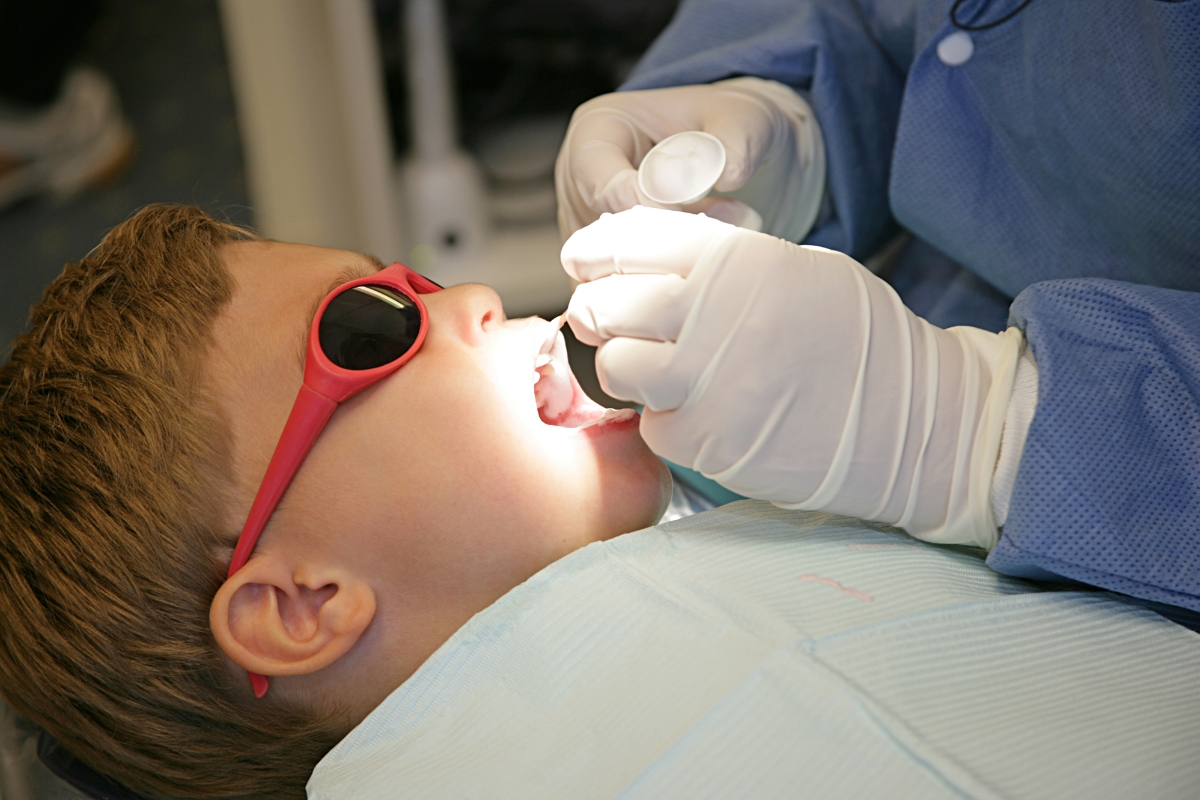




Why More Families Are Choosing Specialized Children’s Dental Care Over General Dentistry
If you’ve ever typed “pediatric dentist near me” into your phone while your kid is complaining about a toothache, you’re not alone. Every week, hundreds of families across Spanaway, Puyallup, South Hill, Frederickson, Tacoma, and Lakewood are searching for exactly the same thing — someone who truly specializes in children’s teeth, not just a general dentist who sees kids on the side.
This guide will walk you through what to look for, what makes pediatric dentistry different, and why choosing the right dental home early makes a bigger difference than most parents realize.
A Pediatric Dentist vs. a General Dentist: What’s the Real Difference?
Both can clean your child’s teeth. But that’s a bit like saying both a pediatrician and a general practitioner can check your child’s growth — technically true, but the depth of specialized knowledge is very different.
A board-certified pediatric dentist completes an additional two to three years of training after dental school, specifically focused on children’s jaw development, behavior guidance, treating patients with special needs, and managing dental anxiety in young kids. They know how to spot early signs of bite issues before they become expensive orthodontic problems. They know how to talk to a four-year-old about what a “tooth photograph” (X-ray) is, using words that don’t cause a meltdown.
Just as you wouldn’t take your toddler to a sports medicine doctor for their annual checkup, your child’s teeth deserve care from someone whose entire career is built around little mouths, growing jaws, and nervous young patients.
When Should Your Child First See a Pediatric Dentist?
The American Academy of Pediatric Dentistry, the American Dental Association, and the American Academy of Pediatrics all agree: by age one, or within six months of your child’s first tooth coming in — whichever comes first. Many parents look for a pediatric dentist nearby for preventive care once their child’s first tooth appears, helping prevent future dental problems before they begin.
That sounds earlier than most parents expect. The reason isn’t to perform dental work on a baby — it’s to establish a dental home. A place where your child knows the faces, trusts the environment, and sees dental visits as a normal, safe part of life. Children who have a dental home from a young age have measurably fewer cavities and far less dental anxiety as they grow up.
At Spanaway Children’s Dentistry, families regularly make the drive from Tacoma, Lakewood, and Frederickson because their kids genuinely feel comfortable here. That peace of mind is worth the extra few minutes on the road.
Services That Matter Most — And When Your Child Needs Them
Preventive Care Cleanings, fluoride treatments, and dental sealants are the foundation of keeping kids cavity-free. Sealants alone can prevent up to 90% of cavities in the back teeth — the deep grooves that are nearly impossible for children to clean thoroughly on their own. Scheduling check-ups every six months builds the habit and catches small issues before they grow.
Restorative Care Baby teeth matter. Parents sometimes ask why we’d fill a tooth that’s going to fall out anyway. The answer: untreated cavities in baby teeth cause pain, affect eating and speech, and can damage the permanent tooth forming underneath. Restorative care — fillings and crowns — keeps your child comfortable and their jaw developing correctly.
Sedation Dentistry Some children have significant dental anxiety. Others need multiple procedures at once. Nitrous oxide (laughing gas) is safe, fast-acting, and completely reversible. For more complex situations, additional sedation options allow nervous children to receive the care they need without trauma. This isn’t about convenience — it’s about making sure a child doesn’t develop a lifelong fear of the dentist from one overwhelming experience.
Early Orthodontic Screening Around age seven, pediatric dentists can start spotting bite patterns and jaw development issues that, if addressed early, are significantly simpler and less expensive to correct. Catching a crossbite or crowding problem at seven versus fourteen is a very different situation for both the child and the family’s wallet.
Building Good Habits at Home
Parents from Puyallup and South Hill often ask what they should be doing between appointments. Here’s what the evidence actually supports:
Brushing: Twice a day, every day. For children under three, use a smear of fluoride toothpaste — about the size of a grain of rice. Ages three to six, a pea-sized amount. Your child shouldn’t be brushing independently until around age six to eight, when the fine motor control needed to do it properly kicks in.
Flossing: Start as soon as any two teeth are touching. That’s when food and bacteria can hide between them — usually around ages two to three.
Diet: Frequency matters more than quantity. Sipping juice throughout the day is far more damaging than one cup with a meal. Prolonged snacking on crackers or gummies gives bacteria a steady fuel source to work with.
Pacifiers and thumb-sucking: These habits are developmentally normal and don’t require alarm until around age two to three. Beginning to wean the pacifier at two, with full removal by the third birthday, gives the jaw time to correct naturally. Talk to your pediatric dentist if you’re noticing any effect on alignment.
Why Families from Tacoma, Lakewood & Frederickson Drive to Spanaway
Pierce County is spread out. Whether you’re in Lakewood near Fort Lewis, in the Frederickson corridor, or up on South Hill, you’re probably 15–25 minutes from most things anyway. What matters more than the exact distance is finding somewhere your child actually tolerates going — ideally, somewhere they look forward to.
Our office on Mountain Highway East sits in a central location that’s accessible from Spanaway, Puyallup, South Hill, Frederickson, Tacoma, and Lakewood without highway traffic headaches. Saturday hours (8am–2pm) were added specifically because working parents kept asking for appointments that didn’t pull kids out of school. We also accept Washington Apple Health because every child in Pierce County deserves access to quality pediatric dental care, regardless of insurance type.
Frequently Asked Questions
At what age should my child first see a pediatric dentist?
The American Academy of Pediatric Dentistry recommends your child’s first dental visit by their first birthday, or within six months after their first tooth appears — whichever comes first. This might feel early, but the purpose isn’t to do a lot of dental work. It’s to introduce your child to the dental environment in a calm, low-stakes way, and to give parents guidance on home care and diet. Children who start visiting the dentist early develop familiarity rather than fear — and that comfort carries into their teens and adult life.
What makes a pediatric dentist different from a regular dentist for kids?
A pediatric dentist completes dental school and then pursues an additional two to three years of specialized residency training focused exclusively on treating children — from infants through teenagers, including those with special healthcare needs. This training covers child psychology and behavior guidance, the developmental stages of teeth and jaws, managing dental anxiety, sedation protocols specific to children, and communicating effectively with kids at different cognitive stages. A general dentist who sees children is not the same as a dentist whose entire clinical focus is children’s dentistry.
Is sedation dentistry safe for my child, and when is it actually necessary?
Sedation dentistry for children is safe when administered by trained providers — but it’s not something to approach casually. The most common option is nitrous oxide (laughing gas), which is mild, works quickly, and wears off within minutes. It’s often used for kids who are mildly anxious or need to sit still for a longer procedure. For children with significant anxiety, special needs, or multiple procedures at once, deeper sedation options may be appropriate. The goal is never to use sedation as a shortcut — it’s to ensure your child receives necessary care without a traumatic experience that makes future dental visits even harder.
Do you accept Washington Apple Health / Medicaid for pediatric dental care?
Yes. Spanaway Children’s Dentistry accepts Washington Apple Health (Medicaid) along with most major private insurance plans. We believe pediatric dental care shouldn’t be accessible only to families with premium insurance. Pierce County includes families from a wide range of backgrounds across Spanaway, Lakewood, Frederickson, and Tacoma — and every child deserves a real dental home. We recommend calling ahead to confirm your specific plan and understand what’s covered, as details vary by plan.
My child is terrified of the dentist after a bad experience. What can you do to help?
Quite a lot, actually. Dental anxiety in children — especially after a difficult past experience — is real, valid, and something pediatric dentists are specifically trained to address. Our approach starts before the child even sits in the chair. We use tell-show-do communication: explaining each step in simple, non-frightening language, letting the child see and touch instruments before they’re used, and only moving forward when they’re ready. We never use alarming words. We move at the child’s pace. For kids with significant anxiety, nitrous oxide takes the edge off while keeping them fully conscious. For children on the autism spectrum or with sensory sensitivities, we adjust the environment and communication style accordingly. We’ve had children who needed multiple “comfort visits” just to sit in the chair — and who eventually became our most enthusiastic patients. It takes patience and the right approach, but the transformation is genuinely possible.