



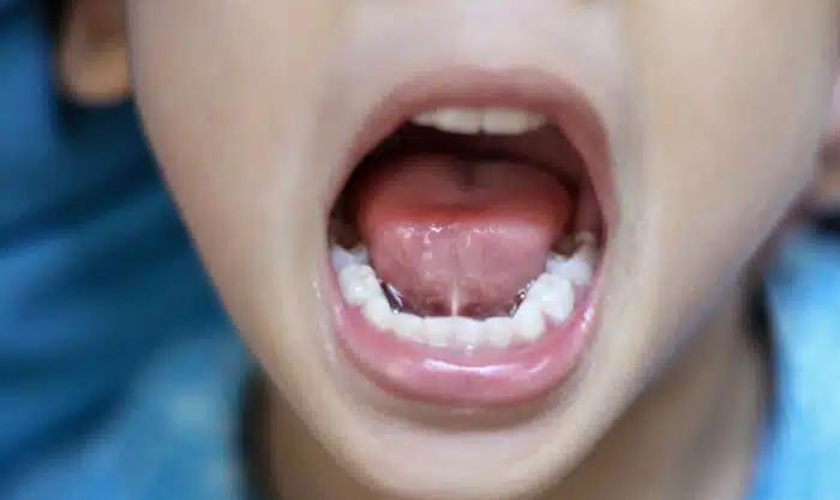
Frenectomy for Kids: A Comprehensive Guide for Parents
A frenectomy is a minor surgical procedure that involves releasing a small fold of tissue in the mouth called a frenum. There are two main types of frenectomy for kids:
A. What is a frenectomy?
The frenum is a thin piece of tissue that connects two parts of the body. In the mouth, there are two main areas:
- Lingual frenum: This connects the underside of the tongue to the floor of the mouth.
- Labial frenum: This connects the upper lip to the gum tissue between the two central incisors (front teeth).
When the frenum is too short or tight, it can restrict the movement of the tongue or lip. This condition is called a tongue tie or lip tie, respectively. A frenectomy is performed to release the frenum and improve movement.
B. Types of frenectomy:
There are two main types of frenectomy based on the location of the frenum being addressed:
- Lingual frenectomy: This procedure releases a tight lingual frenum, improving tongue mobility.
- Labial frenectomy: This procedure releases a tight labial frenum, improving upper lip mobility.
C. Symptoms of tongue and lip tie in children:
While not every child with a tongue or lip tie will experience symptoms, some common signs to be aware of include:
- Feeding difficulties: Infants with tongue tie may struggle to latch and suck effectively during breastfeeding or bottle-feeding. This can lead to frustration, poor weight gain, and inadequate milk intake.
- Speech problems: Children with tongue or lip ties may have difficulty with certain sounds, such as those requiring good tongue placement (e.g., “t,” “d,” “l,” “s”). They may also experience lisping or difficulty sticking out their tongue.
- Dental issues: A tight labial frenum can contribute to a gap developing between the two upper front teeth. Additionally, difficulty cleaning teeth due to limited tongue movement can increase the risk of cavities.
- Other potential concerns: In some cases, tongue or lip tie may be associated with sleep apnea, drooling, or difficulties with oral hygiene.
It’s important to note that other factors can also cause these symptoms. If you are concerned about your child’s development, seeking professional advice from a healthcare professional is crucial.
Benefits of Frenectomy for Kids
A frenectomy can offer several potential benefits for children experiencing difficulties due to a tongue or lip tie. Here are some of the key advantages:
A. Improved breastfeeding and latching:
For infants with tongue tie, a frenectomy can significantly improve their ability to latch and suck effectively during breastfeeding. This can lead to:
- Increased milk intake and better weight gain
- Reduced frustration and improved feeding experience for both mother and baby
- Shorter feeding times and improved sleep patterns for the baby
B. Enhanced speech development and articulation:
By improving tongue mobility, a frenectomy can help children with tongue ties develop proper speech patterns and articulation. This can lead to:
- Clearer speech and improved communication skills
- Reduced need for speech therapy
- Increased confidence and self-esteem in children
C. Reduced risk of dental problems:
A frenectomy for kids prevents or addresses dental issues associated with tongue or lip tie, such as:
- Gaps between the upper front teeth
- Difficulties with proper oral hygiene
- Increased risk of cavities and gum disease
D. Potential benefits for other concerns:
In some cases, a frenectomy may also offer potential benefits for other concerns related to tongue or lip tie, such as:
- Improved sleep quality in children with sleep apnea
- Reduced drooling
It’s important to remember that the specific benefits of a frenectomy will vary depending on the individual child and the severity of their tongue or lip tie. Consulting with a healthcare professional can help you understand the potential benefits and risks of the procedure for your child.
Deciding if a Frenectomy is Right for Your Child
Deciding whether a frenectomy is the right course of action for your child requires careful consideration and consultation with a healthcare professional. Here are some key points to consider:
A. When to consider a frenectomy for Kids:
Frenectomy for kids may be considered if your child is experiencing difficulties related to a tongue or lip tie, such as:
- Persistent feeding problems, particularly in infants
- Speech delays or articulation difficulties
- Dental concerns potentially linked to tongue or lip tie (e.g., gaps between teeth)
- Other potential complications associated with tongue or lip tie (e.g., sleep apnea, drooling)
B. Consultation with a healthcare professional:
Consulting with a qualified healthcare professional, such as a pediatrician, pediatric dentist in Spanaway, or otolaryngologist (ear, nose, and throat specialist), is crucial for determining if a frenectomy is right for your child. During this consultation, the doctor will likely:
- Review your child’s medical history and symptoms.
- Perform a physical examination of the mouth and oral structures.
- Discuss the potential benefits and risks of a frenectomy.
- Answer any questions you may have.
1. Questions to ask your doctor/dentist:
Here are some helpful questions you can ask your doctor or Spanaway pediatric dentist during the consultation:
- Is a frenectomy necessary for my child’s specific situation?
- What are the potential benefits and risks of the procedure?
- What type of anesthesia will be used?
- What is the recovery process like?
- Are there any alternative treatments available?
2. Diagnosis and evaluation process:
The diagnosis of tongue or lip tie is typically based on a physical examination of the mouth. In some cases, additional tests, such as an ultrasound or frenotomy (temporary clipping of the frenum), may be used to assess the frenum’s tightness and its impact on movement.
C. Considering alternatives to frenectomy:
In some cases, depending on the severity of the tongue or lip tie and the specific concerns, alternative approaches may be considered before or instead of a frenectomy. These may include:
- Myofunctional therapy: This type of therapy involves exercises to improve oral muscle function and movement, potentially reducing the limitations caused by a mild tongue or lip tie.
- Frenoplasty: This is a less invasive procedure compared to a frenectomy, involving stretching or manipulating the frenum to improve its mobility.
It’s crucial to discuss all available options with your healthcare professional to determine the most appropriate approach for your child’s individual needs.
The Frenectomy Procedure
For children who are deemed suitable candidates for a frenectomy, understanding the procedure itself can help alleviate anxiety and prepare both the child and parents/caregivers. Here’s a breakdown of what to expect:
A. Types of anesthesia used:
Frenectomy for kids is typically an outpatient procedure performed in a doctor’s office or a clinic setting. Depending on the child’s age and cooperation level, different types of anesthesia might be used:
- Topical anesthetic: This involves applying a numbing gel or spray to the area before the procedure, which is suitable for older children who can tolerate the procedure while remaining still.
- Local anesthetic: This involves injecting a numbing medication around the frenum, numbing the specific area and offering more profound pain relief. This option is often used for younger children who may need more assistance remaining still.
- General anesthesia: In some cases, particularly for very young children or those with significant anxiety, general anesthesia might be recommended. This involves rendering the child unconscious throughout the entire procedure.
B. What to expect during the procedure:
The specific details of the frenectomy procedure will vary depending on the type of frenectomy being performed (lingual or labial) and the chosen method (laser, scalpel, etc.). However, some general steps can be expected:
- Preparation: The child will be positioned comfortably, and the area will be thoroughly cleaned and disinfected.
- Anesthesia administration: The chosen form of anesthesia will be administered according to the selected method.
- Frenum release: Using a laser, scalpel, or other specialized instrument, the frenum will be carefully snipped or released to improve mobility.
- Bleeding control: Any minor bleeding will be controlled using pressure or stitches, if necessary.
- Post-procedural care: After the procedure, the child will be monitored for a short period before being discharged home with post-operative instructions.
C. Recovery process and post-operative care:
The recovery process following a frenectomy is typically quick and relatively painless. However, some discomfort and swelling are common, especially in the first few days. Here are some essential post-operative care tips:
- Pain management: Over-the-counter pain relievers, as recommended by the doctor, can be used to manage any discomfort.
- Oral hygiene: Maintaining good oral hygiene is crucial to prevent infection. Brushing and rinsing gently with saltwater solution as directed by the doctor are important.
- Diet: Depending on the child’s age and feeding method, the doctor may provide specific dietary recommendations for the initial recovery period.
- Follow-up appointments: Attending scheduled follow-up appointments with the doctor is essential to monitor healing and address any concerns.
Potential Risks and Complications
While generally considered a safe procedure, it’s important to be aware of potential risks and complications associated with frenectomy, even though they are uncommon. Here’s an overview:
A. Bleeding:
Minor bleeding is expected during and immediately after the procedure. However, excessive bleeding is a rare but potential complication.
B. Infection:
As with any surgical procedure, there’s a small risk of infection at the site of the frenectomy. Proper post-operative care, including maintaining good oral hygiene, is crucial to minimize this risk.
C. Scarring:
Scarring at the site of the frenectomy is possible, although typically minimal, and usually fades over time.
D. Speech difficulties (rare):
In rare cases, the frenectomy itself might inadvertently impact tongue or lip movement, leading to temporary or permanent speech difficulties. Consulting with a qualified healthcare professional experienced in frenectomy procedures can help minimize this risk.
It’s important to remember that these potential risks are uncommon, and the benefits of a frenectomy often outweigh the risks for children experiencing significant difficulties due to a tongue or lip tie. However, discussing these potential risks with your healthcare professional is crucial for informed decision-making.
Conclusion
Frenectomy can be a valuable tool in addressing difficulties related to tongue or lip tie in children. By understanding the benefits, risks, and considerations surrounding this procedure, you can make informed decisions alongside your child’s healthcare professional.
Remember:
- Consult with a qualified healthcare professional: They can assess your child’s individual needs, determine if a frenectomy is necessary, and discuss all available options with you.
- Weigh the benefits and risks: While frenectomy offers potential benefits like improved feeding, speech, and dental health, it’s crucial to be aware of potential risks and discuss them with your doctor.
- Prioritize your child’s well-being: The decision regarding frenectomy for kids should be based on what will improve your child’s overall health and development, not solely on cost or other external factors.
By seeking professional guidance from Spanaway dentists and making informed decisions, you can ensure your child receives the appropriate care and support for optimal development and well-being.