



Unveiling the Mystery: Why Does My Child Have Yellow Teeth?
Understanding Healthy Teeth in Children
A. Development of Baby Teeth and Permanent Teeth
Children are born without teeth, but their development begins early in the womb. By the age of 6 months, most babies will erupt their first tooth, and by age 3, they will typically have a full set of 20 primary (baby) teeth. These baby teeth serve an important role in speech development, chewing, and guiding the permanent teeth into place.
Around age 6, the first permanent teeth begin to erupt, gradually replacing the baby teeth. This process continues throughout childhood and adolescence until all 32 permanent teeth have emerged, typically by age 21.
B. The Role of Enamel in Tooth Color
The outer layer of a tooth, called enamel, is the hardest substance in the human body. It plays a crucial role in protecting teeth from decay and damage. Enamel is naturally white, and its thickness determines the underlying dentin’s (yellowish layer) visibility.
Thicker enamel contributes to whiter teeth, while thinner enamel can make the dentin appear more yellow, even in healthy teeth.
Understanding these basic aspects of teeth development and structure is essential to comprehend the various causes of yellow teeth in children.
Common Causes of Yellow Teeth in Children
Several factors can contribute to the yellowing of teeth in children. Here are some of the most common culprits:
A. Diet and Drinks:
Staining Foods and Beverages: Certain foods and drinks are notorious for staining teeth. These include:
Dark-colored fruits and vegetables: Berries (blueberries, raspberries), grapes, beets, pomegranates
Colored drinks: Soda, coffee, tea, juice (especially grape and fruit punch)
Candy and sugary treats: Lollipops, hard candies, gummy bears, fruit snacks. These items contain pigments that can adhere to the tooth enamel, causing a gradual yellowing effect.
Sugary Foods and Drinks: While not directly causing stains, sugary foods and drinks contribute to plaque buildup. Plaque is a sticky film of bacteria that forms on teeth, especially if they aren’t cleaned properly. This plaque can trap food particles and stains, further intensifying the yellowing.
B. Poor Oral Hygiene Habits
Maintaining proper oral hygiene is crucial for preventing plaque buildup and keeping teeth white. Here’s how poor hygiene habits can contribute to yellowing:
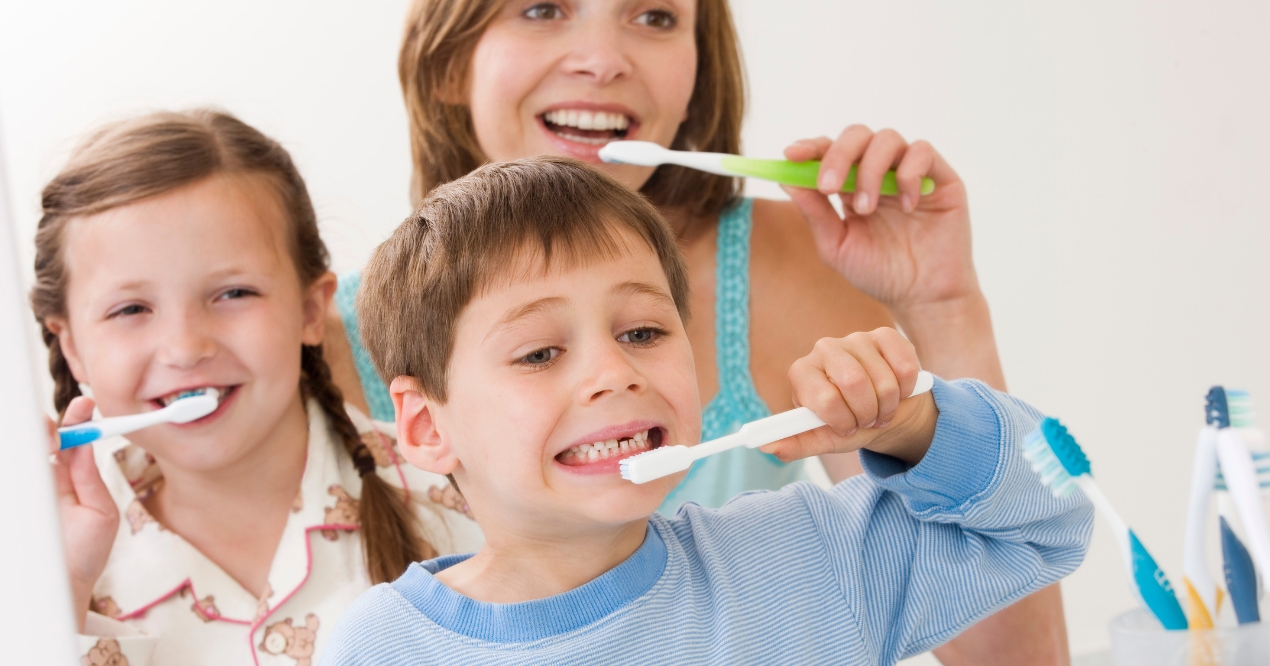
Brushing Frequency and Technique: Brushing teeth twice a day for two minutes with fluoride toothpaste is essential. Insufficient brushing allows plaque to build up and stain teeth. Additionally, using the correct brushing technique ensures all tooth surfaces are cleaned effectively.
Flossing Habits: Flossing once a day removes plaque and food particles from between teeth, where brushing alone can’t reach. Skipping flossing allows plaque to accumulate in these areas and contribute to yellowing.
Using Age-Appropriate Toothpaste: Using adult toothpaste with high fluoride concentration for young children can be harmful. Choose a fluoride-free toothpaste for children under 3 and a low-fluoride toothpaste for ages 3-6.
Remember: Brushing and flossing habits should be established early and consistently supervised by parents or caregivers until children develop the dexterity to clean their teeth effectively on their own.
Less Common Causes of Yellow Teeth in Children
While the previous section covered common culprits, some less frequent factors can also contribute to yellowing in children’s teeth:
A. Trauma or Injury to Teeth
Physical trauma to a tooth, such as a fall or blow to the face, can damage the enamel and expose the underlying dentin, causing a yellowish discoloration. Additionally, the blood supply to the tooth might be affected, leading to a grayish or brownish hue.
B. Genetic Predisposition (Thin Enamel)
As mentioned earlier, the thickness of enamel plays a role in tooth color. In some cases, children may inherit thin enamel due to genetics, making the yellow dentin more visible and contributing to a yellowing appearance.
C. Congenital Conditions (Dentinogenesis Imperfecta)
Dentinogenesis Imperfecta (DI) is a rare genetic condition affecting the development of dentin. This can cause teeth to be discolored, ranging from yellow to brown or gray. Additionally, DI can affect the tooth’s structure, making it weaker and more prone to chipping or breaking.
It’s important to note that these less common causes often require professional evaluation by a Spanaway dentist to determine the exact cause and recommend appropriate treatment options.
When to See a Dentist About Yellow Teeth
While some degree of yellowing in children’s teeth might be due to dietary choices or developing brushing habits, there are situations where seeking professional dental advice is crucial:
A. Signs of Cavities or Tooth Decay:
Yellowing accompanied by:
1. Brown or black spots on the teeth
2. Visible holes in the teeth
3. Toothache or sensitivity to hot or cold
These symptoms indicate cavities and require prompt dental attention to prevent further damage and potential pain.
B. Persistent Yellowing Despite Good Hygiene:
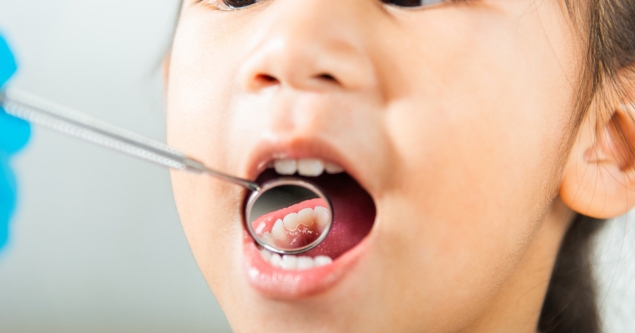
If your child practices good oral hygiene habits (brushing twice daily, flossing once daily) and their teeth remain yellow, it’s important to consult a dentist in Spanaway. They can rule out any underlying medical conditions or assess the need for professional cleaning or other treatments.
C. Concerns About Enamel Health:
If you have concerns about your child’s enamel health, such as noticing white spots or feeling the teeth appear rough, consulting a pediatric dentist near you is recommended. They can assess the health of the enamel and recommend appropriate preventive or treatment measures.
Early diagnosis and intervention are crucial for addressing dental concerns and ensuring your child’s oral health and overall well-being.
Preventing Yellow Teeth in Children
Developing good habits from a young age is key to preventing yellow teeth and promoting overall oral health in children. Here are some essential steps:
A. Establishing a Brushing and Flossing Routine:
1. Start early: Introduce finger brushing with a soft infant toothbrush as soon as the first tooth erupts.
2. Gradually transition: Around age 2, switch to a child-sized toothbrush with a small head and soft bristles.
3. Supervise brushing: Until children develop proper dexterity (around age 7-8), supervise brushing to ensure thorough cleaning of all surfaces.
4. Make it fun: Use age-appropriate songs, timers, or reward charts to encourage consistent brushing.
5. Floss once daily: Introduce flossing around age 8 and demonstrate the proper technique.
B. Dietary Choices to Minimize Staining:
1. Limit sugary treats: Encourage water or milk as the primary beverages and minimize sugary drinks and snacks.
2. Offer alternatives: Instead of sugary candies, opt for fruits and vegetables with minimal staining potential (e.g., bananas, apples, carrots).
3. Rinse after consuming staining foods: Encourage rinsing the mouth with water after consuming dark-colored foods or drinks.
C. Regular Dental Checkups and Cleanings:
1. Schedule regular checkups: Schedule dental checkups and cleanings every six months, starting from the first tooth eruption.
2. Professional cleaning: Regular cleanings by a nearby pediatric dentist can remove stubborn plaque and tartar buildup that brushing and flossing alone cannot, preventing future staining and promoting overall oral health.
By establishing these preventive measures, you can significantly reduce the risk of yellowing and contribute to your child’s healthy, beautiful smile.
Treatment Options for Yellow Teeth in Children
While prevention is always the best approach, there are situations where treatment for yellow teeth might be necessary. Here’s an overview of potential options:
A. Professional Dental Cleaning:
For mild yellowing caused by plaque or surface stains, professional dental cleaning by a Spanaway dentist or hygienist is often the first line of treatment. This involves using specialized tools and techniques to remove plaque, tartar, and surface stains, revealing a brighter smile.
B. Polishing or Teeth Whitening (for older children):
In some cases, additional polishing or teeth whitening procedures might be recommended by a dentist in Spanaway, especially for older children (usually teenagers). However, it’s crucial to remember that these options should only be considered after consulting a dentist and ensuring they are appropriate for your child’s age and oral health.
C. Addressing Underlying Medical Conditions:
If an underlying medical condition, such as fluorosis or DI, is contributing to the yellowing, the dentist in Spanaway will recommend appropriate treatment based on the specific condition. This might involve monitoring, topical treatments, or other interventions.
It’s important to remember that self-treatment with over-the-counter whitening products is not recommended for children and can potentially harm their developing teeth. Always consult a dentist near you before considering any teeth whitening options for your child.
Additional Tips for Maintaining Healthy, White Teeth
Here are some additional tips to keep your child’s teeth healthy and white:
A. Using Fluoridated Water or Supplements:
Fluoride strengthens tooth enamel and helps prevent cavities. If your child doesn’t have access to fluoridated water, consult a pediatric dentist in Spanaway about fluoride supplements.
B. Encouraging Healthy Chewing Habits:
Chewing sugar-free gum or crunchy fruits and vegetables can stimulate saliva production. Saliva helps wash away food particles and bacteria, promoting a cleaner mouth and reducing the risk of staining and decay.
C. Regular Checkups with a Pediatric Dentist:
Schedule regular checkups with a Spanaway pediatric dentist who specializes in treating children’s teeth. They can provide age-appropriate care, address any concerns early on, and guide you on maintaining good oral health practices for your child.
By incorporating these additional tips along with the previously mentioned preventive measures and treatment options, you can equip your child with the knowledge and tools necessary to maintain a healthy, confident smile throughout their life.
Keeping Your Child’s Smile Bright and Healthy
A. Recap of Key Points:
This comprehensive guide has explored the various reasons why children’s teeth might appear yellow, ranging from common factors like diet and hygiene habits to less frequent causes like medical conditions or genetics.
We emphasized the importance of establishing good oral hygiene routines early on, including regular brushing and flossing, along with mindful dietary choices to minimize staining. Additionally, scheduling regular dental checkups and cleanings is crucial for maintaining oral health and addressing any concerns promptly.
B. The Importance of Early Dental Care:
Taking care of your child’s oral health from the very beginning is vital for their overall well-being. By prioritizing preventive measures, seeking professional guidance when needed, and fostering healthy habits, you can contribute to a lifetime of confident smiles for your child.
Remember, a healthy smile not only enhances their appearance but also promotes their confidence, speech development, and overall health.