



Unraveling the Mysteries of Bad Breath in Kids
It’s a common scenario: you lean in for a cuddle with your child, only to be greeted by an unpleasant odor emanating from their mouth. Bad breath, medically known as halitosis, can be a concern for parents, but it’s essential to understand that it’s not uncommon in children. While occasional bad breath is usually nothing to worry about, persistent foul odor may indicate an underlying issue that requires attention. Let’s delve into the various causes of bad breath in children and how to address them effectively.
Dental Hygiene: The Foundation of Fresh Breath
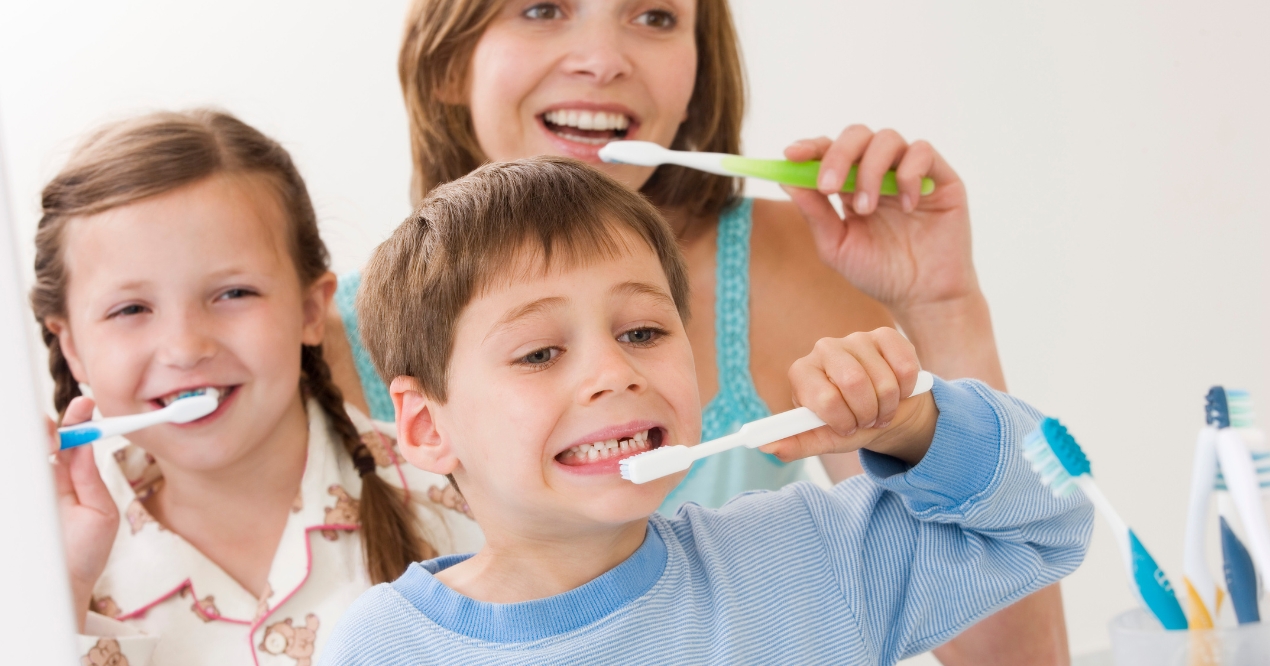
Ensuring proper dental hygiene is crucial in combating bad breath in children. Failure to brush and floss regularly allows food particles to linger in the mouth, leading to bacterial growth and unpleasant odors. Encourage your child to brush their teeth at least twice a day and floss daily to remove food debris and plaque buildup. Supervise younger children to ensure they are brushing effectively and reaching all areas of their mouth.
The Role of Diet in Breath Odor
What your child eats can significantly impact the freshness of their breath. Foods with strong odors, such as garlic, onions, and spices, can linger in the mouth and lead to bad breath. Additionally, sugary snacks and drinks contribute to bacterial growth, increasing the risk of halitosis. Encourage a balanced diet rich in fruits, vegetables, and whole grains to promote overall oral health and fresh breath.
Dry Mouth: A Common Culprit
Saliva plays a vital role in cleansing the mouth and neutralizing acids produced by bacteria. When saliva production decreases, typically due to dehydration or certain medications, dry mouth ensues, creating an environment ripe for bacterial growth and bad breath. Ensure your child stays hydrated by drinking plenty of water throughout the day, and consult with a dentist if dry mouth persists despite adequate hydration.
Oral Health Conditions and Bad Breath
Various oral health issues can contribute to bad breath in children. Cavities, gum disease, and oral infections can produce foul odors as bacteria proliferate and release volatile sulfur compounds. Regular dental check-ups are essential for detecting and addressing these conditions early on. A dentist can provide professional cleanings, treatments for cavities, and recommendations for maintaining optimal oral health.
Tonsil Stones: A Hidden Cause
Tonsil stones, also known as tonsilloliths, are small, white, or yellowish calcified formations that develop in the crevices of the tonsils. These stones can harbor bacteria and emit a foul odor, contributing to bad breath. While they are not typically harmful, they can be bothersome and may require removal if they cause persistent symptoms. If you suspect your child has tonsil stones, consult with a healthcare professional for proper evaluation and management.
Underlying Medical Conditions
In some cases, persistent bad breath in children may be a sign of an underlying medical condition that requires attention. Conditions such as sinus infections, allergies, respiratory infections, and gastrointestinal issues can manifest as halitosis. If other symptoms accompany your child’s bad breath or persist despite good oral hygiene practices, consult with a healthcare provider for further evaluation and appropriate management.
Addressing Bad Breath: Tips and Strategies
In addition to maintaining good oral hygiene and addressing underlying causes, several strategies can help alleviate bad breath in children:
- Encourage Water Consumption: Water helps rinse away food particles and bacteria in the mouth, promoting fresher breath.
- Promote Healthy Snacking: Opt for nutritious snacks like fruits, vegetables, and cheese, which stimulate saliva production and help cleanse the mouth.
- Limit Sugary and Acidic Foods: Minimize consumption of sugary treats and acidic beverages, which can contribute to bacterial growth and bad breath.
- Regular Dental Check-ups: Schedule routine dental visits for professional cleanings and early detection of oral health issues.
- Practice Good Oral Hygiene Habits: Teach your child the importance of brushing, flossing, and using mouthwash regularly to maintain optimal oral health.
Seeking Professional Guidance
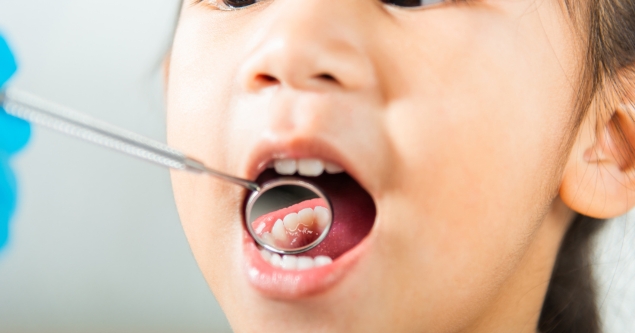
If your child’s bad mouthbreath persists despite your efforts to address it at home, don’t hesitate to seek guidance from a dental professional. A dentist can assess your child’s oral health, identify any underlying issues, and provide tailored recommendations for managing bad breath effectively. Remember, addressing bad breath early on not only promotes oral health but also boosts your child’s confidence and overall well-being.
Finding a reliable pediatric dentist in Spanaway is essential for ensuring your child receives the best possible care. Whether you’re in need of routine check-ups, treatments for oral health conditions, or guidance on addressing bad breath, a trusted dentist near you can provide the support and expertise your child deserves. In summary, bad breath in children can stem from various causes, including poor dental hygiene, diet, dry mouth, oral health conditions, tonsil stones, and underlying medical issues. By addressing these factors proactively and seeking professional guidance when needed, you can help your child maintain fresh breath and optimal oral health for years to come. Don’t overlook the importance of oral hygiene in your child’s overall well-being – take proactive steps today for a brighter, healthier smile tomorrow.