


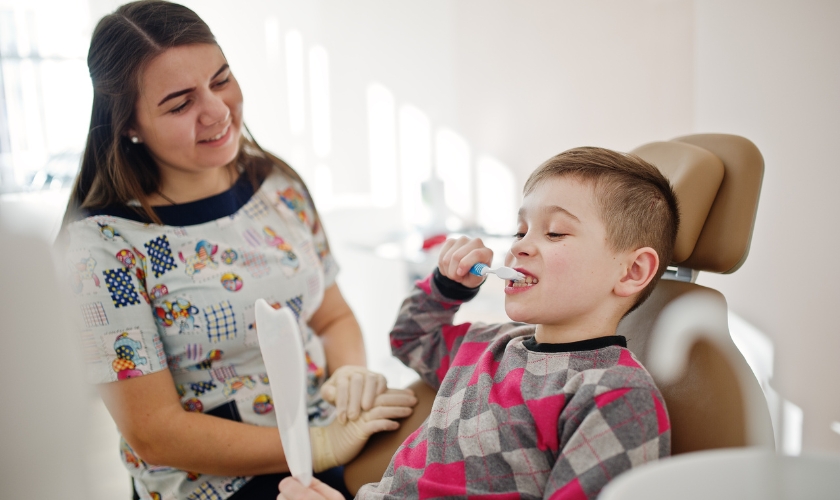
Dental Care For Children With Autism
Children with autism often face unique challenges when it comes to dental care, requiring specialized approaches to ensure their oral health needs are met effectively and comfortably. Understanding the specific sensitivities, communication barriers, and sensory considerations that can impact their dental experiences is crucial for both parents and dental professionals.
This article delves into the strategies, techniques, and collaborative efforts needed to provide optimal dental care for children with autism, from building trust and cooperation during dental visits with a pediatric dentist in Snapaway, WA, to addressing oral hygiene challenges and promoting dental health at home.
Understand The Unique Dental Needs of Children with Autism
Evaluating Oral Sensitivities and Communication Challenges
Children with autism may have heightened oral sensitivities and difficulties communicating their dental needs effectively. This can impact their overall dental care and require a tailored approach.
Impact of Autism on Oral Health and Dental Care
Autism can have a significant impact on oral health due to challenges with oral hygiene routines, sensory sensitivities, and communication barriers. Understanding these effects is crucial in providing effective dental care.
Strategies for Building Trust and Cooperation During Dental Visits
Creating a Calm and Controlled Environment
Establishing a calm and controlled environment during a consultation with a pediatric dentist in Snapaway, WA, can help children with autism feel more comfortable and cooperative. This may involve minimizing sensory triggers and using familiar routines.
Using Visual Supports and Social Stories
Visual supports and social stories can be valuable tools in preparing children with autism for dental visits. These aids can help them understand the process, reduce anxiety, and improve communication with dental professionals.
Implementing Desensitization Techniques
Gradual desensitization techniques can help children with autism become more comfortable with dental procedures over time. By slowly introducing them to common dental tools and sensations, anxiety levels can be reduced.
Sensory Considerations and Techniques for a Positive Experience
Addressing Sensory Overload in the Dental Setting
Children with autism may experience sensory overload in a dental setting due to bright lights, loud noises, and unfamiliar sensations. Addressing these sensory challenges can lead to a more positive and comfortable experience. A pediatric dentist in Snapaway, WA, implements specialized strategies to create a sensory-friendly environment and ensure that every child receives compassionate, individualized care tailored to their unique needs.
Utilizing Sensory-Friendly Dental Tools and Materials
Using sensory-friendly dental tools and materials, such as softer toothbrushes or flavored toothpaste, can enhance the dental experience for children with autism. These accommodations can help make the process more enjoyable and less overwhelming.
Working with Specialized Dental Providers and Therapists
Collaborating with Pediatric Dentists Experienced in Autism
Seeking out pediatric dentists with experience in treating children with autism can provide specialized care tailored to their unique needs. These professionals understand the challenges associated with autism and can offer targeted solutions.
Engaging Occupational Therapists and Behavior Analysts in Dental Care
Involving occupational therapists and behavior analysts in the dental care of children with autism can offer additional support. These experts can provide strategies to address sensory issues, behavior challenges, and communication barriers, enhancing the overall dental experience.
Addressing Oral Hygiene Challenges and Promoting Dental Health at Home
We all know that getting kids to brush their teeth can sometimes be like pulling teeth (pun intended). But for children with autism, this daily task can come with its own set of challenges. Sensory sensitivities, communication difficulties, and behavioral issues can make oral hygiene routines a real struggle. However, with a little creativity and patience, it is possible to promote good dental health at home for children with autism.
Developing Individualized Oral Care Plans
Just like every tiny human is unique, so too should their oral care plan. Taking into account each child’s specific needs and challenges is crucial in creating a routine that works for them. Whether it’s using special toothbrushes, incorporating sensory-friendly toothpaste, or establishing a reward system, tailoring the plan to fit your child’s preferences and sensitivities can make a world of difference. A pediatric dentist in Snapaway, WA, meticulously crafts these personalized plans to ensure that every child receives the best possible care and develops healthy oral hygiene habits for life.
Teaching Effective Dental Hygiene Techniques and Routines
Let’s face it, most kiddos aren’t born with an innate love for brushing their teeth. For children with autism, teaching effective dental hygiene techniques can require a bit of extra patience and creativity. Using visual schedules, social stories, or even turning brushing into a fun game can help make the daily routine more engaging and less stressful.
Overall, by implementing tailored strategies, fostering trust, and working collaboratively with specialized dental providers, children with autism can receive the dental care they deserve in a supportive and accommodating environment. With a focus on individualized approaches and ongoing education, we can help ensure that every child, regardless of their unique needs, maintains good oral health and experiences positive dental visits. Book your child’s appointment with a pediatric dentist in Snapaway, WA, today!
Frequently Asked Questions
How can I prepare my child with autism for a dental visit?
This is how you can prepare your child with autism for a dental visit.
- Social stories and visuals: Create a social story explaining the steps involved in a dental visit using simple language and pictures.
- Practice at home: Desensitize your child by letting them practice sitting in the dental chair, using a toy toothbrush, or mimicking the dentist’s tools.
- Communication with the dentist: Talk to your pediatric dentist about your child’s autism and any sensory sensitivities they might have.
- Choose the right appointment time: Schedule appointments during calmer times of the day and avoid times when your child is typically overtired or hungry.
What techniques can be used to help children with autism feel more comfortable during dental appointments?
These are the techniques that can be used to help children with autism feel more comfortable during dental appointments. Have a look:
- Positive reinforcement: Praise and reward your child for good behavior during the appointment.
- Sensory tools: Bring fidget toys, noise-canceling headphones, or other calming tools to help your child manage sensory input.
- Visual cues: Use timers or visual charts to show your child how long each step of the appointment will take.
- Clear communication: Speak slowly and directly with your child, using simple language and avoiding medical jargon.
Are there specialized dental providers who have experience working with children with autism?
Yes! Many pediatric dentists receive additional training and certification to work with children with special needs, including autism. Look for dentists who advertise experience with autism spectrum disorder (ASD).
How can I support my child’s oral hygiene routine at home?
This is how you can support your child’s oral hygiene routine at home:
- Make it fun: Use colorful toothbrushes, play music during brushing, or turn it into a game.
- Lead by example: Brush your teeth alongside your child and model good oral hygiene habits.
- Positive reinforcement: Praise your child for brushing and flossing, and consider a reward system for consistent routines.
- Visual schedules: Use picture charts to visualize the steps of brushing and flossing.
Be patient: It may take longer for your child to learn and maintain a good oral hygiene routine.