


When Should Your Child Get Their First Orthodontic Checkup?
Early orthodontic care can play a crucial role in ensuring your child’s dental health and confidence. But when is the right time to schedule that first orthodontic checkup? Here’s a comprehensive guide to help you understand the ideal timing and benefits of an early visit to an orthodontist.
Recognizing the Signs for Early Orthodontic Evaluation
Orthodontic treatment isn’t just about achieving a beautiful smile; it also involves ensuring that your child’s bite and jaw alignment are developing correctly. Many parents wonder about the right age to start orthodontic evaluations. While every child’s dental needs are unique, certain signs may indicate that an early checkup is beneficial.
Typically, it’s recommended that children have their first orthodontic evaluation by age 7. This recommendation isn’t just arbitrary; it’s based on the development of the child’s teeth and jaw structure. By this age, many of the primary (baby) teeth have fallen out, and the permanent teeth are starting to come in. This transitional phase provides valuable insights into how the permanent teeth are likely to align.
Benefits of an Early Orthodontic Checkup
Scheduling an orthodontic checkup around age 7 can provide several benefits. Early evaluations allow orthodontists to monitor the growth and development of your child’s teeth and jaw. This early intervention can identify potential issues before they become more complex and costly to treat.
Preventive Measures:
Early assessments can uncover issues such as crowded teeth, misaligned bites, or other dental irregularities. Addressing these concerns early can help guide the growth of your child’s teeth and jaw, potentially avoiding more extensive orthodontic work later on.
Customized Treatment Plans:
If your child does need orthodontic treatment, starting early allows the orthodontist to develop a customized plan tailored to your child’s specific needs. This approach can often lead to more effective results and a shorter overall treatment time.
Improved Self-Esteem:
As your child grows, they become more aware of their appearance. Addressing orthodontic issues early can help prevent potential self-esteem issues related to dental appearance, allowing your child to feel confident in their smile.
What to Expect During the First Orthodontic Visit
The first orthodontic visit is usually a straightforward process, designed to assess your child’s dental development. Here’s an overview of what you can expect:
Comprehensive Examination:
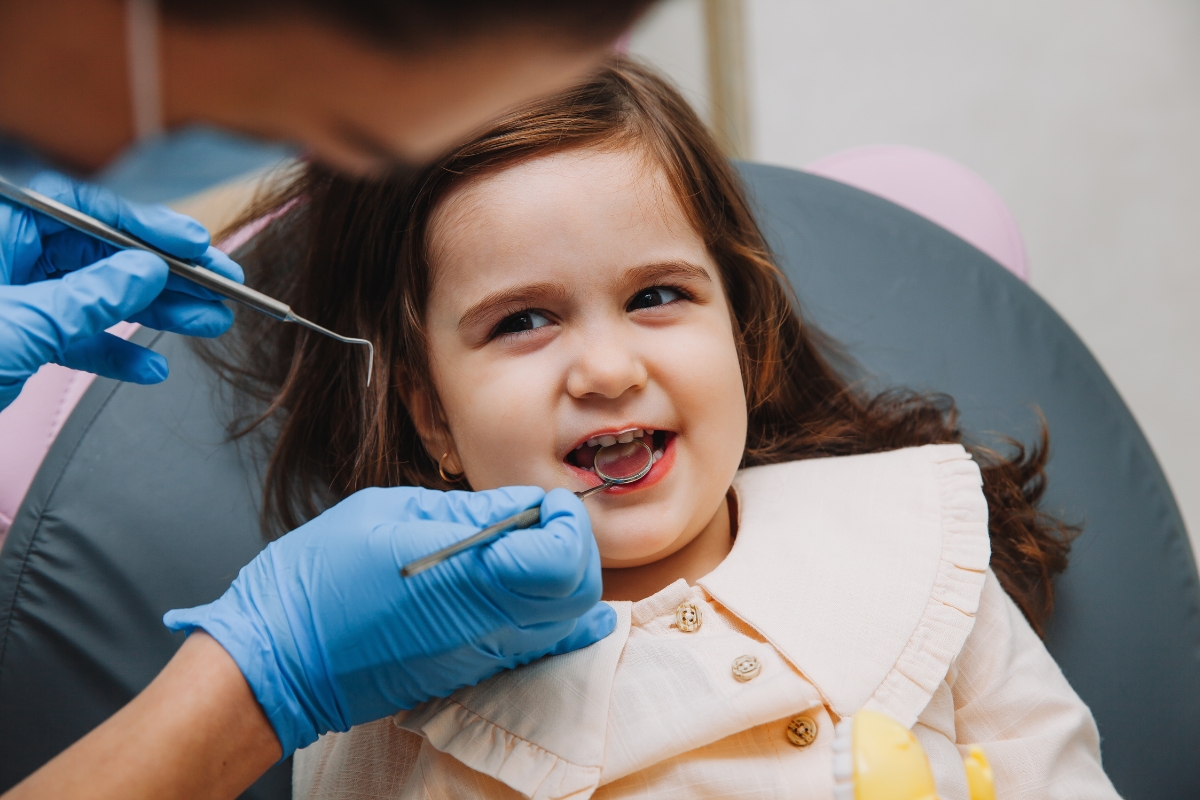
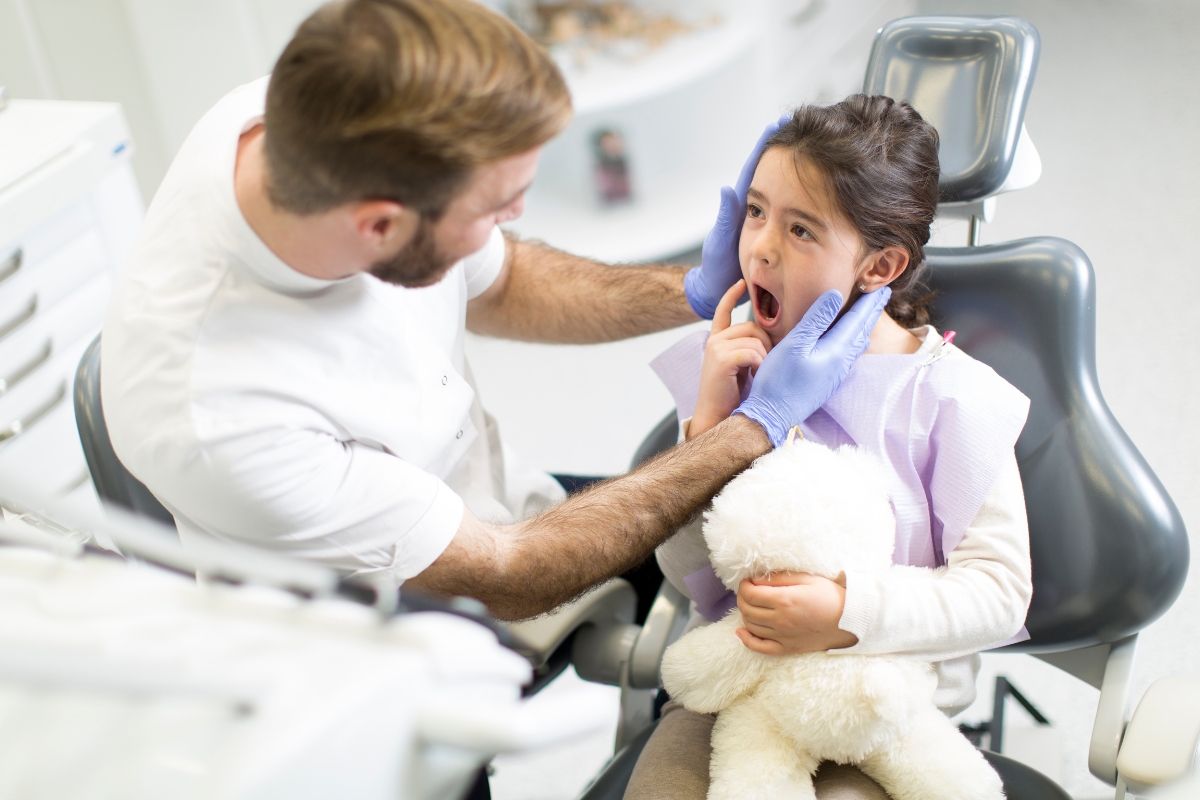
The orthodontist will examine your child’s teeth and jaw alignment. They may take X-rays or photographs to get a detailed view of how the teeth and jaws are positioned.
Evaluation of Dental Growth:
The orthodontist will evaluate the growth patterns of the teeth and jaw. This helps in determining if early treatment is needed or if it’s best to wait until the child is older.
Discussion of Findings:
After the examination, the orthodontist will discuss their findings with you. They will explain if any orthodontic treatment is necessary, what the recommended plan would entail, and what benefits your child might gain from it.
Common Orthodontic Issues Addressed Early
Certain orthodontic issues are best addressed early to prevent them from becoming more severe. Here are a few common problems that early orthodontic visits can help manage:
Overcrowded Teeth:
If there’s not enough space in your child’s mouth for all their teeth, they may become crowded. Early intervention can help in managing this issue, often through spacers or other techniques to create room for the permanent teeth.
Crossbite:
A crossbite occurs when the upper teeth fall inside the lower teeth when the mouth is closed. This can lead to uneven wear of the teeth and potential jaw problems. Early treatment can help correct this misalignment.
Protruding Teeth:
Teeth that stick out too much can be more prone to damage and affect your child’s confidence. Orthodontic treatment can help bring these teeth into better alignment.
Bite Problems:
Issues with how the upper and lower teeth fit together, such as underbites or overbites, can cause functional problems. Addressing these issues early can help guide proper development and prevent more significant problems later.
Timing for Orthodontic Treatment
While the initial evaluation is generally recommended by age 7, the timing for starting orthodontic treatment will vary based on your child’s specific needs. Some children may benefit from early treatment, while others may not require any intervention until they are older.
Early Treatment:
If the orthodontist identifies issues that can be addressed early, such as severe crowding or bite problems, they may recommend starting treatment before all the permanent teeth have erupted. Early treatment can guide the growth of the jaw and create more space for the incoming teeth.
Observation:
In many cases, the orthodontist may recommend monitoring your child’s development and scheduling follow-up visits to track progress. This approach ensures that any emerging issues are addressed promptly.
Full Treatment:
For some children, full orthodontic treatment may not be necessary until they are older, usually around ages 11 to 14. At this stage, most of the permanent teeth will be in place, making it easier to address complex issues effectively.
The Role of Parents in Orthodontic Care
As a parent, you play a vital role in your child’s orthodontic journey. Here are some tips to help ensure a smooth process:
Regular Dental Checkups:
Keep up with regular dental checkups and cleanings. Your child’s dentist can help monitor their dental development and refer you to an orthodontist if needed.
Maintain Good Oral Hygiene:
Encourage your child to practice good oral hygiene, including brushing and flossing regularly. This helps prevent dental issues that could complicate orthodontic treatment.
Be Proactive:
If you notice any signs of orthodontic issues, such as crooked teeth or problems with biting, schedule an evaluation with an orthodontist. Early intervention can help avoid the need for more extensive treatment later.
Follow Recommendations:
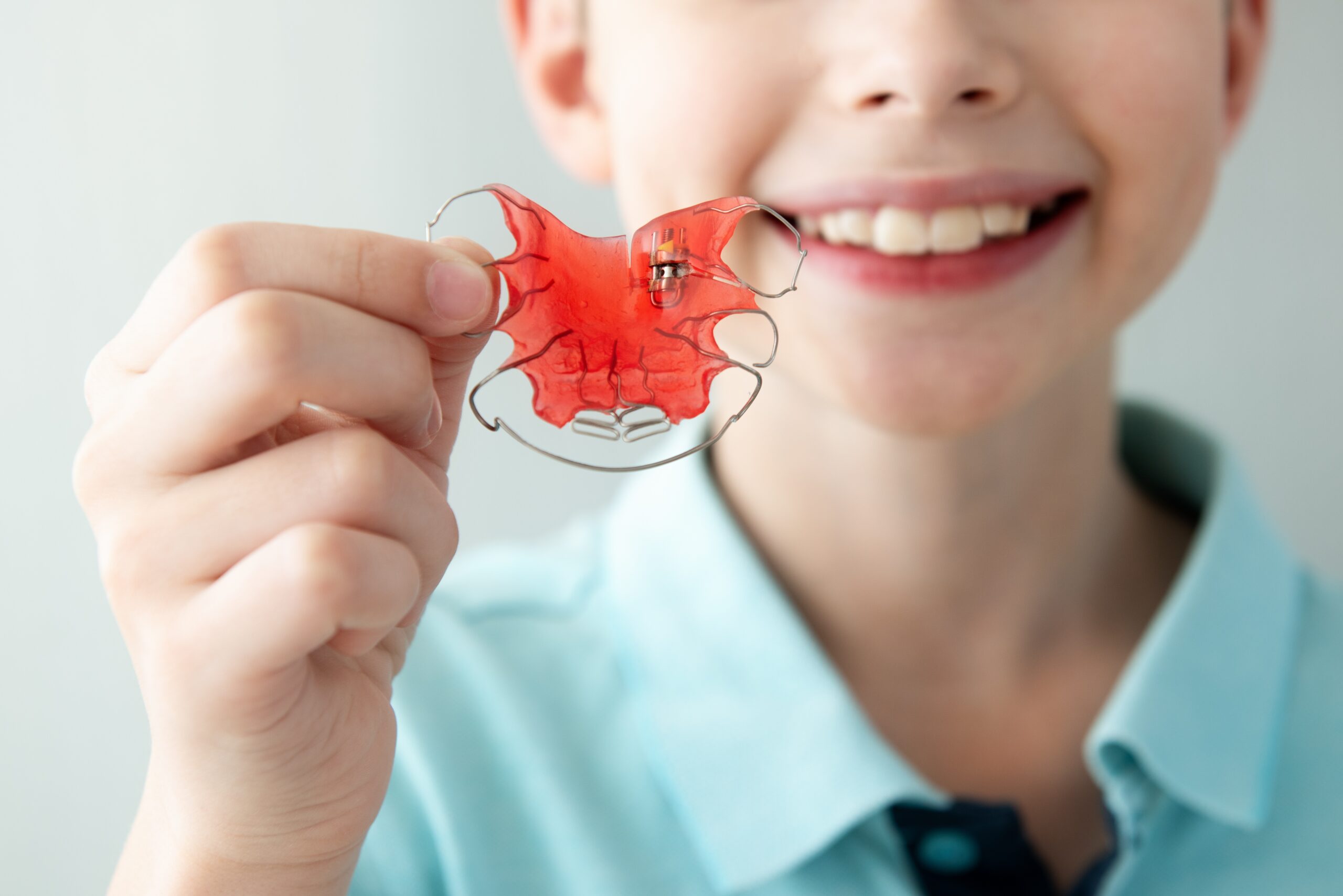
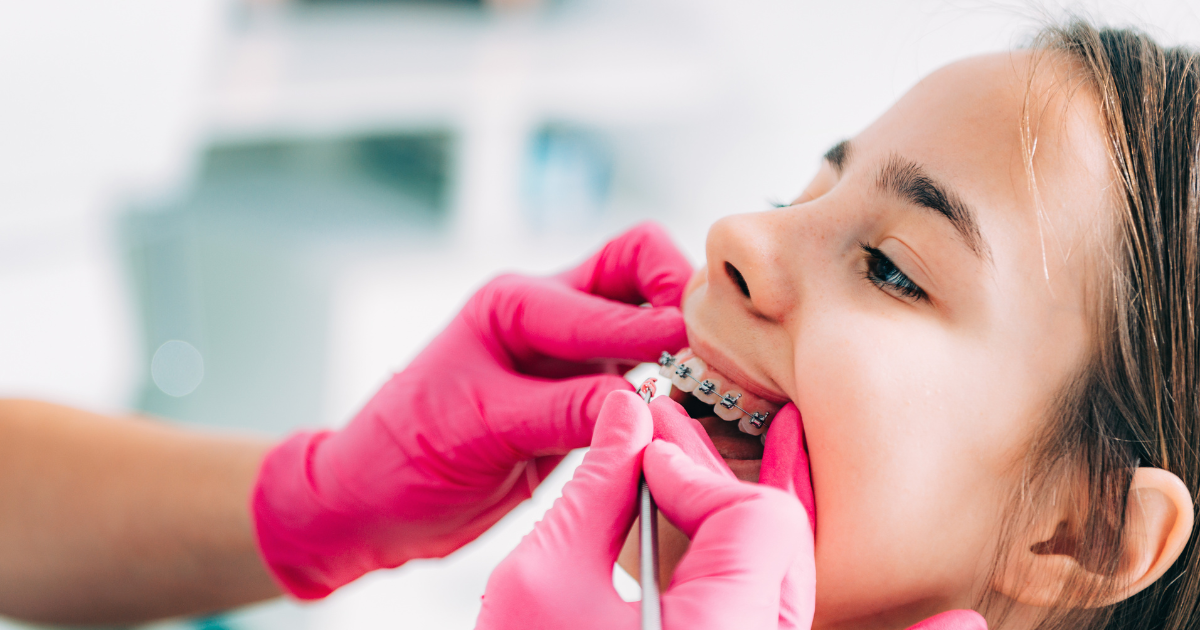
If orthodontic treatment is recommended, follow the orthodontist’s instructions carefully. This may include wearing braces, aligners, or other appliances as prescribed.
Finding the Right Orthodontist
Choosing the right orthodontist is crucial for your child’s orthodontic journey. Look for a specialist with experience in treating children and a reputation for providing excellent care. It’s also helpful to select an orthodontist who communicates effectively and makes your child feel comfortable.
If you’re seeking a kids dentist in Spanaway, consider finding a practice that offers a welcoming environment for children and provides comprehensive orthodontic evaluations. Early care can make a significant difference in your child’s dental health and overall confidence.
By scheduling an early orthodontic checkup, you’re taking a proactive step in ensuring your child’s dental development is on the right track. This early intervention can lead to a healthier, more confident smile for your child.