


When Should My Child Get Braces? A Guide to Early Orthodontic Care
Orthodontic care is vital for your child’s dental health. Parents often wonder when to seek braces for their children. Early intervention can prevent future dental problems and improve overall well-being.
This blog aims to guide you on the right timing and important considerations for braces. It will discuss signs your child may need braces, the ideal age for evaluations, and the benefits of early treatment.
Understanding Orthodontic Care
Orthodontics focuses on diagnosing and treating dental and facial irregularities. It helps align teeth, correct bites, and improve overall oral function. Straight teeth enhance appearance and promote better oral hygiene. Misaligned teeth can lead to tooth decay and gum disease.
Early intervention in orthodontics is crucial. It allows orthodontists to address potential issues before they worsen. Identifying problems early can result in simpler, less invasive treatments. This proactive approach helps ensure that your child’s teeth and jaw develop properly. By seeking guidance early, you set the foundation for a healthy smile in the future.
Signs That Your Child May Need Braces
Crowded Teeth
Crowded teeth occur when there isn’t enough space in the mouth. This condition can lead to overlapping teeth, making oral hygiene difficult. Brushing and flossing become harder when teeth are crowded, increasing the risk of cavities and gum disease.
Gaps Between Teeth
Gaps between teeth can also indicate orthodontic issues. These spaces may seem harmless but can lead to misalignment over time. Gaps can affect chewing and speaking. Additionally, they may cause teeth to shift as your child grows, leading to more complex dental problems.
Bite Issues
Bite issues, such as overbites, underbites, and crossbites, can significantly affect dental health. An overbite occurs when the upper teeth extend too far over the lower teeth. An underbite is the opposite, where the lower teeth overlap the upper teeth.
A crossbite happens when the upper and lower teeth do not align correctly. These problems can lead to jaw discomfort, uneven teeth wear, and chewing difficulties.
Jaw Alignment Problems
Jaw alignment problems often manifest as discomfort or difficulty opening and closing the mouth. If your child frequently experiences jaw pain or clicking sounds, it may indicate misalignment. These issues can worsen over time and may require more extensive orthodontic treatment later.
Ideal Age for an Orthodontic Evaluation
The American Association of Orthodontists recommends an orthodontic evaluation by age 7. Most children have enough permanent teeth for an effective assessment at this age. An orthodontist can identify early signs of misalignment and potential problems.
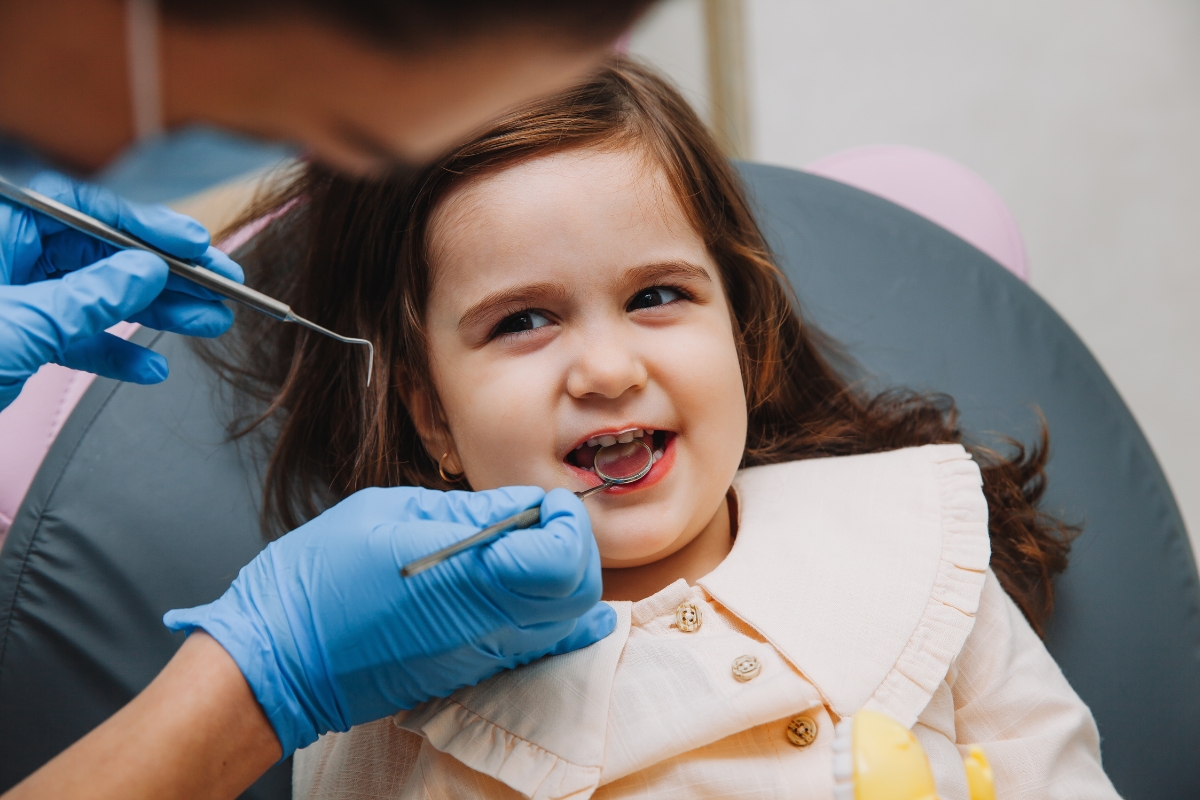
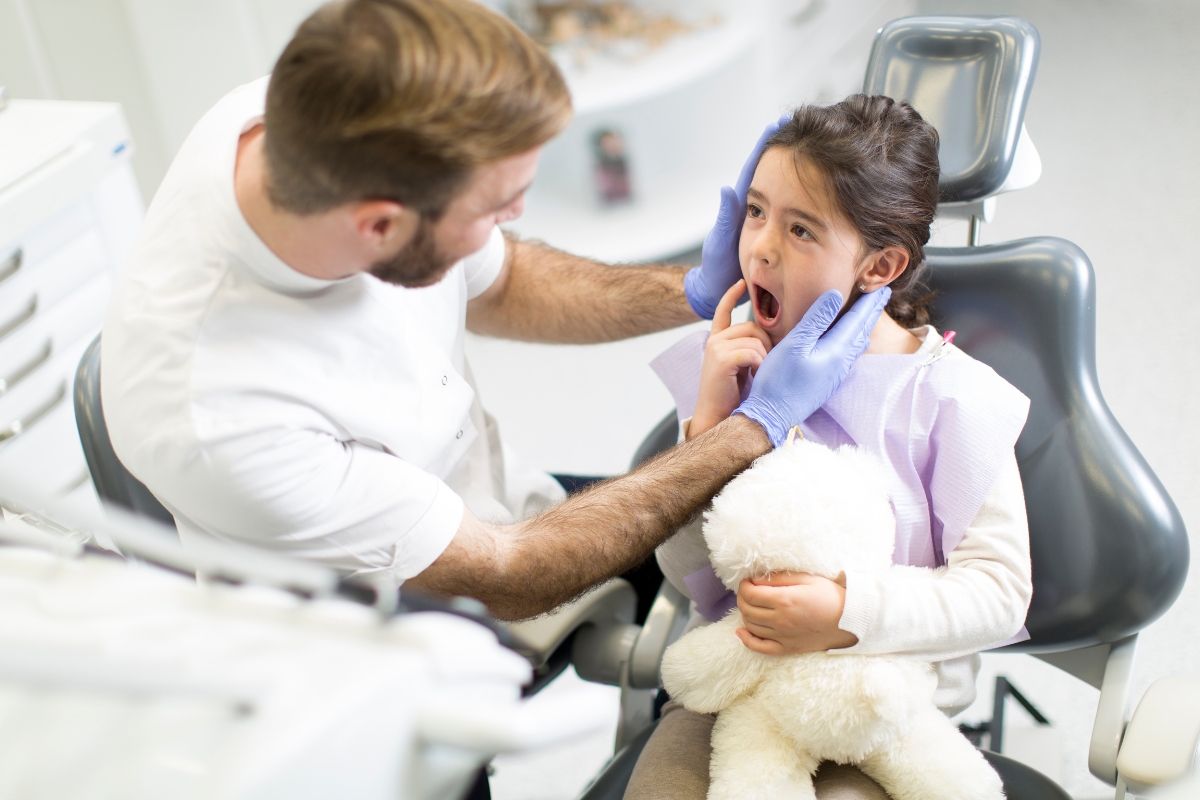
The orthodontist will examine your child’s teeth and jaw during the first visit. They may take X-rays to get a complete picture of dental development. Early evaluation allows for timely intervention and may reduce the need for more extensive treatments later.
Benefits of Early Orthodontic Treatment
Improved Dental Health
Early orthodontic treatment promotes better dental health. It corrects issues that can lead to decay and gum disease, and straight teeth make it easier for children to maintain proper hygiene.
Better Alignment of Teeth
Aligning teeth at a young age ensures that they grow properly. This alignment can prevent further complications and improve overall function.
Prevention of Future Dental Issues
Addressing problems early can prevent more severe issues later. Early treatment also reduces the risk of needing extractions or more complicated procedures later.
Enhanced Self-Esteem and Confidence
A straight smile boosts your child’s confidence. Improved aesthetics can positively impact their self-esteem, influencing social interactions and academic performance.
What to Expect During Orthodontic Treatment?
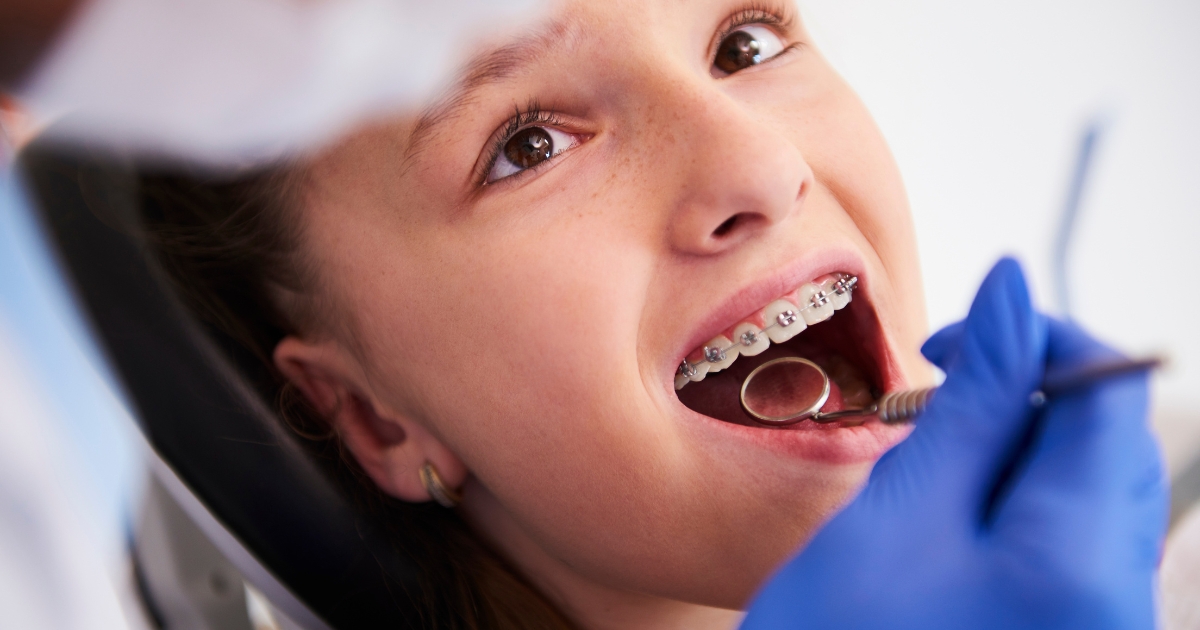
Orthodontic treatment involves several steps. First, the orthodontist will develop a personalized treatment plan. This plan outlines the necessary steps for aligning your child’s teeth. The duration of treatment varies but typically lasts between one to three years.
Regular follow-up visits are essential to monitor progress and allow the orthodontist to make adjustments as needed. Maintaining regular appointments is crucial for effective treatment and achieving the best results.
Tips for Parents
Preparing your child for their first orthodontic visit can help ease anxiety. Explain the process in simple terms, emphasizing the benefits of braces. Maintaining dental hygiene during treatment is essential.
Encourage your child to brush and floss regularly, especially with braces. Adhering to the treatment plan is vital for success. Remind your child to follow the orthodontist’s instructions for wearing retainers or avoiding certain foods.
Understanding when your child should get braces is crucial for their dental health. Look for signs that indicate a need for orthodontic care. Early evaluations and treatments can lead to improved health and confidence.
Consult our orthodontists if you have concerns about your child’s dental development. Schedule a consultation today to ensure your child receives the care they need for a beautiful, healthy smile.