


Understanding Baby Teeth: Why They Matter and How to Care for Them
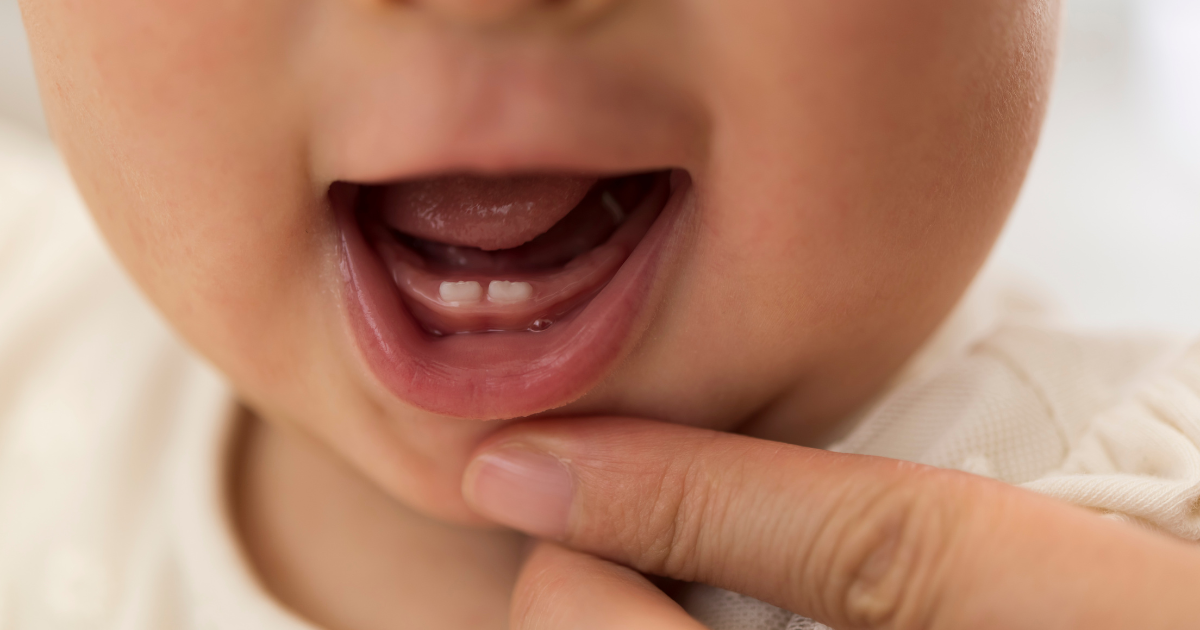
Baby teeth, also known as primary teeth, are essential for your child’s development. Though they eventually fall out, they play a vital role in their overall health and well-being. These tiny teeth help with eating, speaking, and even guiding the permanent teeth into place. Proper care for baby teeth is crucial to avoid issues like tooth decay and misalignment. In this blog, we will focus on understanding baby teeth in-depth and explore why they matter and how you can care for them effectively.
Understanding Baby Teeth: Why Baby Teeth Matter
Baby teeth may seem less important because they will be replaced, but they serve several significant functions:
- Eating: They help your child chew food properly, making it easier to digest.
- Speech Development: Baby teeth assist in forming sounds and words clearly. Without them, your child might struggle with speech.
- Guiding Permanent Teeth: Primary teeth hold space in the jaw for permanent teeth. If they fall out too early, the remaining teeth can shift, leading to alignment issues.
In summary, baby teeth are crucial for your child’s physical and social development. Proper care will set the foundation for a healthy smile in adulthood.
Caring for Baby Teeth
Caring for baby teeth starts early. Here are some essential tips:
- Start Early: Begin cleaning your child’s gums even before their first tooth appears. Use a soft, damp cloth to wipe their gums.
- Introduce a Toothbrush: As soon as the first tooth emerges, use a soft-bristled toothbrush. Brush gently twice a day with a smear of fluoride toothpaste.
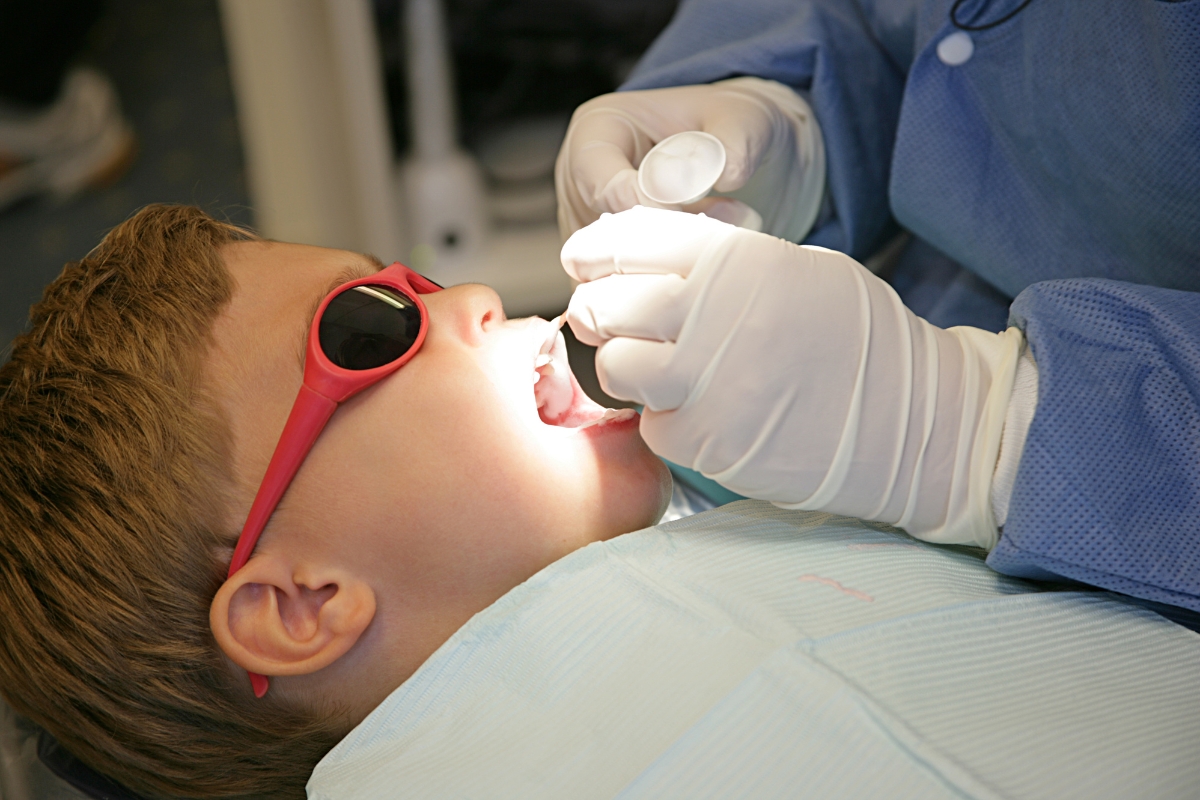
- Regular Dental Visits: Schedule your child’s first dental visit by their first birthday. Regular check-ups with a kids’ dentist ensure their teeth are healthy and developing correctly.
- Limit Sugary Foods: Reduce your child’s intake of sugary snacks and drinks. These can lead to cavities, even in baby teeth.
- Encourage Water: Encourage your child to drink water, especially after meals. This helps wash away food particles and sugars.
Following these steps will help maintain your child’s oral health and protect their primary teeth.
Common Issues with Baby Teeth
Just like adult teeth, baby teeth can face problems. Here are a few common issues:
- Tooth Decay: Cavities can develop quickly in primary teeth. This often results from poor oral hygiene or excessive sugar intake. Early signs include discoloration and sensitivity.
- Teething Pain: As baby teeth come in, they can cause discomfort. Chewing on a cold washcloth or teething ring can help soothe their gums.
- Early Loss of Teeth: Losing baby teeth too soon can cause permanent teeth to come in misaligned. This may require orthodontic treatment later.
Being aware of these issues can help you address them promptly, ensuring your child’s dental health remains on track.
The Role of Nutrition in Dental Health
Nutrition plays a significant role in the health of baby teeth. A balanced diet supports strong teeth. Here are some dietary tips:
- Fruits and Vegetables: Crunchy fruits and vegetables, like apples and carrots, can naturally clean teeth and gums.
- Dairy Products: Milk, yogurt, and cheese are excellent for strengthening teeth. They provide calcium and vitamin D, essential for healthy tooth development.
- Limit Sticky Foods: Foods like gummies and candies can stick to teeth and promote decay. Encourage healthier snack options instead.
Good nutrition not only benefits your child’s overall health but also ensures their baby teeth remain strong and cavity-free.
Teaching Kids About Oral Hygiene
Teaching your child about oral hygiene can set them up for a lifetime of healthy habits. Here are some fun ways to make it enjoyable:
- Make It a Game: Turn brushing into a game. Set a timer and see if they can brush for two minutes. Use fun songs to make it entertaining.
- Lead by Example: Let your child watch you brush your teeth. Show them the proper techniques and explain why it’s essential.
- Praise Their Efforts: Celebrate their successes. Give positive reinforcement when they brush their teeth or visit the dentist.
Visiting a kids’ dentist can also reinforce these lessons, making dental care a positive experience.
Baby teeth are not just placeholders; they are vital for your child’s development and health. Proper care is essential to prevent problems like tooth decay and misalignment. By following simple tips for dental hygiene and encouraging healthy eating, you can ensure your child’s primary teeth remain strong and healthy. Remember, healthy baby teeth lay the groundwork for a lifetime of good oral health. Prioritize their care today for a brighter smile tomorrow!