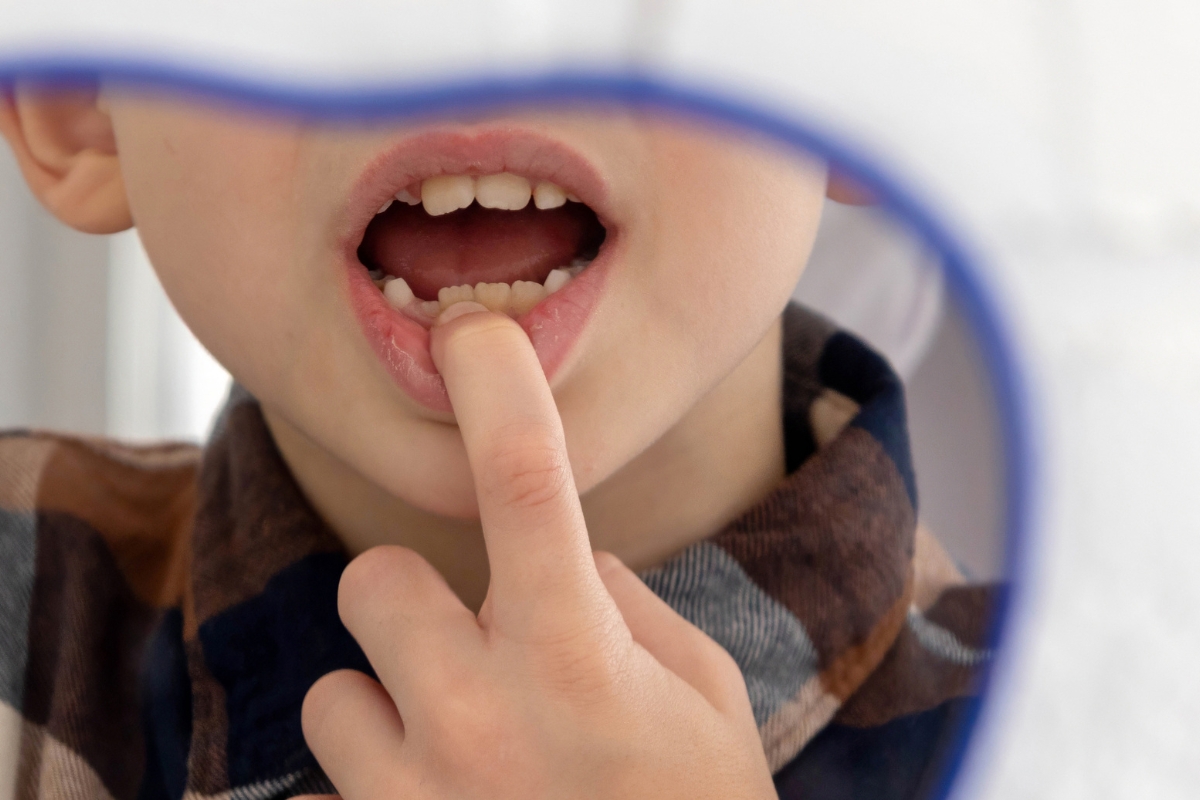



The “Wait and See” Myth: Why Age 7 is the Golden Window for an Orthodontic Checkup
Is seven really too early for an orthodontic checkup? Many parents may hesitate to bring their children to see an orthodontist before the age of 10 or 12, thinking it’s unnecessary or too soon. This is a common myth in orthodontics, but the truth is, age 7 is often considered the ideal time for an initial checkup.
At this age, a child’s mouth is developing rapidly, and it’s the perfect window for detecting potential issues early. By catching problems early, we can create a roadmap for treatment that leads to better outcomes, less invasive procedures, and, in many cases, shorter treatment times.
In this blog, we’ll explore why age 7 is considered a golden window for pediatric orthodontic treatment and why waiting until later might not be in your child’s best interest. Let’s dive into the science behind early intervention and how it can set the foundation for a healthy smile.
Why Age 7 is the Golden Window for Orthodontic Care
Timing for Early Intervention
By the time a child turns seven, they are usually in the mixed dentition phase, meaning they have a combination of baby teeth and permanent teeth. This phase is crucial for identifying bite problems, such as overcrowding, misalignment, or issues with jaw growth. Pediatric orthodontic treatment during this window allows orthodontists to assess how the teeth and jaw are developing and spot any potential issues before they become more complicated.
Early intervention doesn’t always mean full braces or complicated treatments. It could be as simple as monitoring growth patterns or recommending small adjustments that could prevent bigger issues down the road.
Developmental Considerations
At age 7, the first permanent molars come in, and the child’s bite starts to take its final form. This is a key point for orthodontists to evaluate jaw alignment and the overall structure of the teeth. If there are problems with the bite, such as overbite, underbite, or crossbite, early intervention can help guide proper jaw growth and prevent these issues from worsening as the child continues to grow.
Orthodontists can also assess how the child’s teeth are fitting together and whether any crowding is present. Catching these problems early allows for the use of appliances like space maintainers, which can help ensure that the teeth come in properly aligned.
Benefits of Early Detection
When orthodontic problems are detected early, treatment can often be more effective and less invasive. For example, expanding the upper jaw early in a child’s development can prevent the need for extractions later on. Early intervention also tends to lead to shorter treatment times and fewer visits to the orthodontist, reducing the overall cost of treatment and minimizing the impact on the child’s daily life.
Furthermore, early orthodontic care can improve self-esteem by addressing issues like crooked or misaligned teeth before they become a source of embarrassment. Addressing these problems early on sets the foundation for a beautiful, healthy smile that will last a lifetime.
The Risks of Waiting Too Long
Complicated Treatments Later
One of the biggest risks of delaying an orthodontic checkup is the potential for more complicated treatments down the road. If a child’s dental issues go unnoticed or untreated until later years, the treatments required may become more involved. For example, waiting too long to address a severe overbite might require jaw surgery or extractions, whereas early intervention could have fixed the problem with simple braces or a retainer.
Delaying treatment also means the child’s teeth and jaws may have already developed in ways that make correction harder. The more time the issue is allowed to develop, the more difficult and often longer the treatment will be, which could lead to frustration for both the child and the parents.
Missed Opportunities for Growth
Children’s bones are still growing and can be shaped in ways that make pediatric orthodontic treatment in Spanaway more effective when done early. Once the bones are fully developed, they become less responsive to treatment. By waiting too long, parents miss the opportunity to guide the jaw’s natural growth, which could save time and make treatment more effective.
For example, if a child’s teeth are overcrowded, early intervention can help ensure there’s enough space for permanent teeth to come in correctly. If left untreated, this could lead to more invasive measures, such as tooth extractions, later on.
Increased Costs
By delaying orthodontic treatment, parents may find themselves paying for more extensive and costly procedures in the future. When a child’s teeth are left to develop improperly, additional work may be required as the child gets older, which could include extractions, surgery, or longer treatment times.
Early intervention not only prevents the need for these more expensive procedures but also reduces the number of orthodontic visits and the length of treatment. Catching problems early is not only beneficial for the child’s dental health but also helps reduce the overall cost of treatment.
What Happens During an Orthodontic Checkup at Age 7?
What Orthodontists Look For
During an orthodontic checkup at age 7, orthodontists typically evaluate several key factors, including:
- Bite Alignment: An evaluation of how the top and bottom teeth come together. Misalignments like overbite, underbite, or crossbite can be spotted at this early stage.
- Jaw Growth: Orthodontists will check the growth of the upper and lower jaws to identify any issues with jaw development that may need to be addressed.
- Spacing: They will assess whether the teeth are spaced too closely or too far apart, which could lead to crowding or gaps.
- Teeth Development: The orthodontist will also examine the child’s existing baby teeth and permanent teeth to see if any early interventions are needed, such as space maintainers.
Non-Invasive Treatments
Many early orthodontic treatments are non-invasive and can prevent more serious issues from developing. Common early interventions include:
- Space Maintainers: These devices help preserve space for permanent teeth to come in properly, especially if a baby tooth is lost prematurely.
- Braces or Retainers: In some cases, mild braces or retainers may be recommended to correct alignment issues at a young age.
Peace of Mind for Parents
The best part of an early orthodontic checkup is that it provides parents with peace of mind. If no immediate treatment is necessary, the orthodontist will reassure parents that the child’s dental development is on track. If treatment is needed, it will be much less invasive and easier to manage when the child is young.
By addressing potential issues early on, parents can avoid the stress and cost of more complicated treatments later. An early visit to the orthodontist provides a proactive approach to maintaining a child’s dental health and ensuring their smile will shine for years to come.
The “Wait and See” Myth: Why It’s Not Always the Best Approach
Myths vs. Reality
One of the most common myths in orthodontics is that it’s best to “wait and see” when it comes to orthodontic checkups. Many parents believe that it’s unnecessary to visit the orthodontist before the age of 10 or 12, assuming that the child’s teeth will naturally fall into place.
However, the reality is that problems with alignment, bite, and jaw growth can be identified much earlier, typically by age 7, and can often be corrected with less invasive treatments.
Delaying treatment until the child is older can result in the need for more complicated and expensive procedures. Orthodontists recommend early intervention to ensure that any potential issues are addressed before they become more serious.
Science and Professional Recommendations
Orthodontic professionals agree that the best time for an initial checkup is by age 7. The American Association of Orthodontists (AAO) advises that children should visit an orthodontist by the age of 7 to assess their dental development. Early evaluation allows orthodontists to determine if and when treatment is necessary, and to intervene at the optimal time for maximum results.
Research has shown that early intervention can reduce the need for complex treatments later on, such as tooth extractions, surgery, or lengthy braces treatments.
How Waiting Can Lead to Bigger Problems
Waiting too long can create bigger problems that could have been avoided. For example, a child with a misaligned bite may develop jaw pain, difficulty chewing, or speech issues if left untreated. By catching these problems early, orthodontists can address them before they have a significant impact on the child’s development.
In conclusion, early orthodontic care is key to ensuring your child’s dental health and a beautiful smile for years to come. Age 7 is the golden window for an orthodontic checkup, as it allows orthodontists to detect and address potential problems early, when treatments are easier, quicker, and more effective.
By scheduling a checkup at Spanaway Children’s Dentistry, you are giving your child the best chance at a healthy, aligned smile that will last a lifetime.
Don’t wait for issues to worsen. Take action now and schedule an appointment for your child’s early orthodontic evaluation. Early intervention saves time, money, and stress in the long run. Your child’s smile is worth it!
People Also Ask
What will the orthodontist look for during the checkup?
The orthodontist will evaluate your child’s bite, jaw alignment, spacing, and overall development of both baby and permanent teeth.
Does my child need braces at age 7?
Not necessarily. Many children do not need braces at this age, but the checkup helps identify potential issues early, preventing future complications.
Can early orthodontic intervention reduce future treatment time?
Yes, early intervention can lead to more efficient and less invasive treatments, potentially reducing the time spent in braces later on.
What if my child doesn’t need treatment right now?
If no treatment is necessary, the orthodontist will monitor your child’s development and schedule follow-up visits as needed, providing peace of mind for parents.
Can waiting too long for orthodontic treatment cause problems?
Yes, waiting too long can lead to more complicated treatments and missed opportunities for using natural growth patterns to guide jaw development.