


Thumb Sucking & Braces: Correcting “Open Bites” Caused by Childhood Habits
Did you know that a simple childhood habit like thumb sucking could lead to long-term dental issues? Many parents are aware of thumb sucking as a common behavior in young children, but fewer realize that it can have lasting effects on their oral health. One such issue is an open bite, a condition that can disrupt proper tooth alignment and cause significant problems later in life.
In this blog, we’ll explore the link between thumb sucking and open bites, explaining how this habit affects dental development and why pediatric orthodontic treatment is essential to correct these issues. If you’re concerned about your child’s thumb-sucking habit and its impact on their dental health, keep reading to learn how early intervention can make a world of difference.
What is an Open Bite?
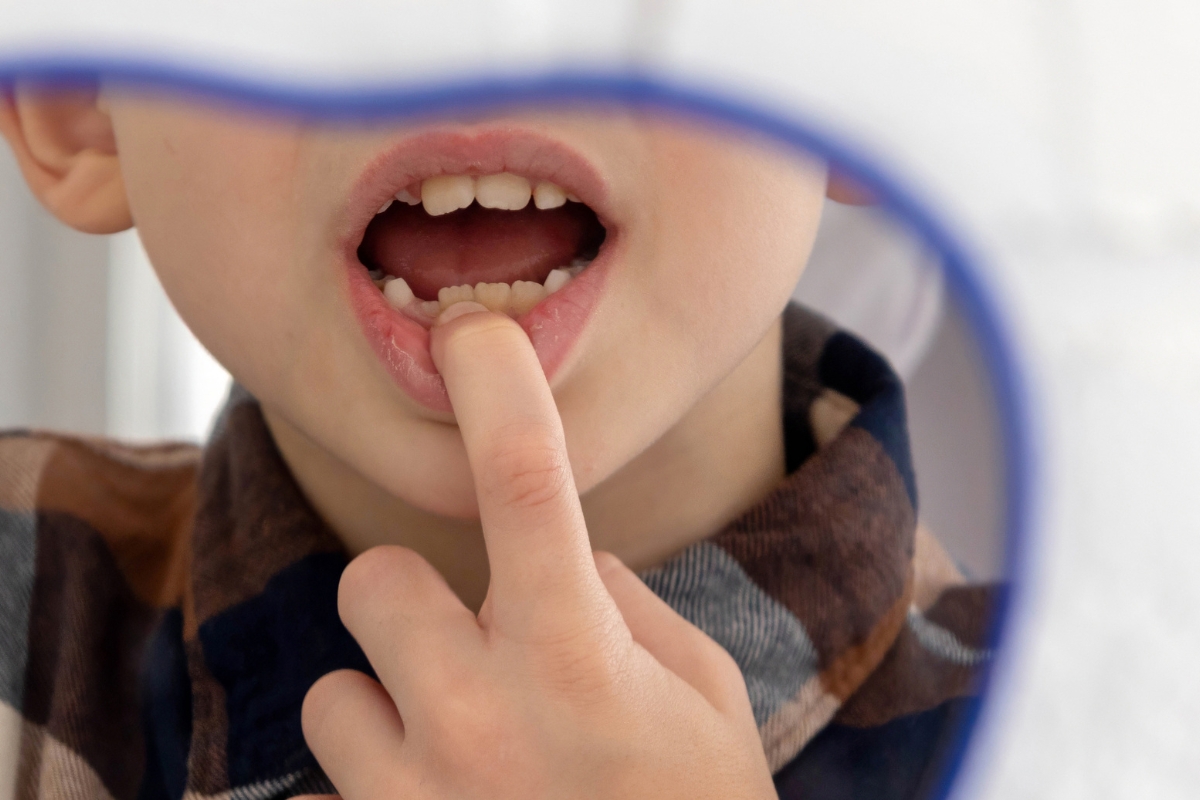
An open bite is a type of malocclusion where the upper and lower teeth do not meet when the mouth is closed. This condition typically occurs when the teeth are either misaligned or when there is extra space between the upper and lower teeth. Open bites can affect the front teeth, back teeth, or both, depending on the type of malocclusion.
Types of Open Bites:
- Anterior Open Bite: This occurs when the upper and lower front teeth do not overlap, leading to a gap that prevents proper biting and chewing.
- Posterior Open Bite: This happens when the back teeth do not come together properly, causing difficulty in chewing and leading to an improper bite pattern.
Both types of open bites can be caused by thumb sucking, which prevents the natural development of the teeth and the alignment of the jaw.
Symptoms & Impact of Open Bites:
Children with open bites may experience a variety of issues, including:
- Difficulty chewing: An open bite can make it hard for children to bite into food properly, leading to discomfort or avoidance of certain foods.
- Speech problems: Misalignment of the teeth can affect speech clarity, causing issues with pronouncing certain sounds or words.
- Jaw discomfort: In some cases, an open bite may contribute to jaw pain or discomfort due to the improper alignment of the teeth.
The long-term effects of open bites can extend beyond the physical discomfort, impacting a child’s confidence and social interactions. Children with visible dental issues may feel self-conscious about their smiles, which can affect their emotional well-being.
The Link Between Thumb Sucking and Open Bites
Thumb sucking is a natural reflex for infants and young children, often serving as a form of self-soothing. However, if the habit continues beyond the age of 4 or 5, it can have significant effects on a child’s dental development.
The constant pressure from thumb sucking can interfere with the proper alignment of the teeth and the growth of the jaw, leading to the development of an open bite.
Childhood Habits and Their Impact:
Thumb sucking, when it extends beyond the early stages of childhood, can prevent the upper and lower jaws from aligning correctly. The thumb’s pressure can push the upper teeth outward, causing them to shift and create gaps between the teeth when the mouth is closed. Over time, this leads to an open bite, which often requires orthodontic treatment to correct.
Mechanism of Thumb Sucking’s Impact:
When a child sucks their thumb, the thumb rests against the upper teeth and palate, exerting pressure. This repetitive action can gradually push the teeth out of position, especially when the habit persists after the age when permanent teeth start emerging. As the upper teeth shift, they may push outward, creating a space between the upper and lower teeth.
Additional Contributing Factors:
While thumb sucking is a primary contributor to open bites, other habits like prolonged use of pacifiers or bottle-feeding can also exacerbate the issue. These habits exert similar pressure on the teeth and palate, contributing to the misalignment that results in open bites.
How Braces Can Help Correct Open Bites
If your child has developed an open bite as a result of thumb sucking, pediatric orthodontic treatment in Spanaway is the most effective solution to correct the issue. Braces are commonly used to realign the teeth and help the bite return to a more functional position.
Braces for Open Bite:
Braces work by gradually moving the teeth into their proper positions. For open bites caused by thumb-sucking habits, orthodontists may recommend braces to shift the teeth into alignment, improving bite function and appearance. In some cases, additional treatments such as retainers or expanders may be used to help with jaw alignment.
Treatment Process:
The process typically begins with a consultation where the orthodontist assesses the degree of misalignment and designs a treatment plan tailored to your child’s needs. X-rays and impressions of the teeth are taken to understand the full scope of the bite issue. Based on the severity of the open bite, pediatric orthodontic treatment in Spanaway may last anywhere from 18 months to a few years.
During the treatment period, regular check-ups will ensure that progress is being made and that the braces are working as intended. In some cases, your child may also need to wear a habit appliance to break the thumb-sucking habit during treatment.
Other Treatment Options:
While braces are the most common option for correcting open bites, there are alternative treatments such as clear aligners (e.g., Invisalign) for older children or teenagers who are concerned about the appearance of traditional braces. These aligners offer a more discreet option for correcting mild to moderate bite issues.
Preventing Thumb Sucking and Open Bites in Children
The best way to address open bites caused by thumb sucking is to prevent the habit from continuing beyond the early childhood years. Here are some helpful strategies to encourage children to stop thumb-sucking:
Breaking the Habit:
- Positive Reinforcement: Offer rewards or praise when your child goes without sucking their thumb for extended periods. Gradual reinforcement can help break the habit over time.
- Gentle Redirection: Gently remind your child not to suck their thumb when you notice them doing so. Offer alternatives like a stuffed animal or a soothing object to help them feel comforted.
Dental Check-ups:
Regular dental visits are essential for early intervention. Your dentist at Spanaway Children’s Dentistry can monitor your child’s oral development and provide guidance on when it might be necessary to intervene. Early detection of thumb-sucking habits and the effects on dental alignment allows for more effective treatment.
Supportive Strategies:
Along with dental check-ups, parents can use various tools to help children break the thumb-sucking habit, such as thumb guards or special nail polishes that taste unpleasant. The key is to create a supportive, non-punitive environment that encourages positive behavior change.
Thumb sucking is a common childhood habit, but when it continues beyond the early years, it can lead to significant dental issues, including open bites. Fortunately, with pediatric orthodontic treatment, these issues can be addressed early on, preventing long-term complications.
If you’re concerned about your child’s thumb-sucking habit and its effects on their teeth, consider scheduling a consultation with Spanaway Children’s Dentistry. Our team of professionals can help guide you through the options available and ensure your child’s smile remains healthy and confident for years to come.
Contact us today to schedule a consultation and learn more about how we can help your child with thumb-sucking habits and open bite correction through braces or other orthodontic treatments.
What People Want to Know
Can thumb sucking affect speech development?
Yes, thumb sucking can lead to speech issues, such as difficulty pronouncing certain words or sounds due to misalignment of the teeth.
At what age should my child stop thumb sucking?
It’s best to stop thumb sucking by age 4-5 to prevent dental issues like open bites. Consult a pediatric dentist if the habit continues.
Can an open bite be corrected without braces?
In some cases, clear aligners or other orthodontic devices may be an alternative, but braces are the most effective treatment for open bites.
How long does it take to fix an open bite with braces?
Treatment duration typically ranges from 18 months to a few years, depending on the severity of the open bite.
What are the signs my child might need braces for an open bite?
Signs include difficulty chewing, speech problems, and visible gaps between the upper and lower teeth when the mouth is closed.