



Does Biting Your Nails Damage Your Teeth? A Children’s Dentistry Guide for Spanaway Parents
If you’ve caught your child gnawing on their fingernails, you’re not alone. Nail biting is one of the most common habits among kids and teens — but most parents don’t realize just how much damage it can quietly do to a child’s developing teeth. As a parent in Spanaway, understanding how this habit affects your child’s oral health is one of the best things you can do for their long-term smile.
In children’s dentistry, nail biting (clinically called onychophagia) is a habit we see regularly. And while it may seem harmless on the surface, the effects on young teeth and jaws can be very real. Let’s break down what’s actually happening inside your child’s mouth every time they bite down on those nails.
Why Kids Bite Their Nails — And Why It’s So Hard to Stop
Nail biting usually starts between ages 4 and 6, peaks during adolescence, and often continues into adulthood if it isn’t addressed. Kids bite their nails for a wide variety of reasons:
- Stress or anxiety — school pressure, social situations, or big life changes
- Boredom — idle hands find something to do
- Habit without awareness — many kids don’t even realize they’re doing it
- Imitation — children often copy habits they see in siblings or parents
The tricky part? It becomes automatic. Kids often bite their nails while watching TV, doing homework, or riding in the car — completely on autopilot. That’s exactly why it’s important to recognize the habit early and understand what it’s costing their teeth.
How Nail Biting Damages Children’s Teeth
It Chips, Cracks, and Wears Down Tooth Enamel
Fingernails are surprisingly hard. When a child repeatedly bites down on them, it creates a grinding-like pressure on the front teeth — the incisors — which aren’t designed to handle that kind of stress. Over time, this leads to:
- Small chips along the biting edges of teeth
- Micro-cracks in the enamel (the protective outer layer)
- General enamel erosion that makes teeth more vulnerable to cavities
Once enamel is worn away, it doesn’t grow back. This is especially concerning for kids, whose teeth are still developing and naturally have slightly softer enamel than adults.
It Can Shift Teeth Out of Alignment
This is a big one in children’s dentistry. When kids bite their nails consistently, the constant lateral pressure can gradually push teeth out of their natural position. This is particularly problematic for children who are:
- Still growing their permanent teeth
- Already in or preparing for orthodontic treatment (braces or aligners)
If your child is working with an orthodontist in the Spanaway or Puyallup area, nail biting can actually slow progress and undo alignment work — adding time and cost to treatment.
It Introduces Harmful Bacteria Into the Mouth
Think about everything your child’s hands touch throughout the day — doorknobs, shared toys, classroom surfaces, playground equipment. The area under fingernails is a prime hiding spot for bacteria, dirt, and even fecal matter (yes, really). When kids bite their nails, they’re transferring all of that directly into their mouth, which can lead to:
- Increased risk of gum infections
- Stomach illnesses and colds
- Sores or infections around the mouth and gums
It Can Damage the Jaw Joint (TMJ)
Chronic nail biting puts repetitive strain on the temporomandibular joint — the hinge that connects the jaw to the skull. In children, this can contribute to:
- Jaw soreness or clicking sounds when opening the mouth
- Headaches
- Early signs of TMJ disorder (TMD)
This is a less commonly discussed side effect, but pediatric dentists in the Puyallup and Spanaway area see it more than you might expect, especially in kids who have been biting their nails for years.
It Can Harm the Gums and Soft Tissue
Jagged, bitten nails can scratch or cut the delicate gum tissue around the teeth. Repeated irritation to the gums increases the risk of gum disease over time — even in young children.
Signs Your Child’s Nail Biting Is Affecting Their Teeth
Not sure if the habit has already caused damage? Look for these warning signs:
- Chipped or uneven front teeth
- Teeth that look shorter than they used to
- Complaints of jaw soreness or headaches
- Gums that look red, swollen, or irritated near the front teeth
- Teeth that seem to be shifting or spacing differently
If you notice any of these, it’s a good idea to schedule a visit with a kids dentist near Puyallup or Spanaway sooner rather than later.
How to Help Your Child Break the Nail-Biting Habit
Breaking any habit takes time, patience, and a little strategy. Here are some approaches that work well for kids:
Keep nails trimmed short. Less nail means less to bite. Making it a regular part of your routine removes the temptation.
Use bitter-tasting nail polish. Products like bitter apple or specially formulated nail polishes create an unpleasant taste that acts as a natural deterrent.
Identify triggers. Pay attention to when your child bites their nails. Is it during homework? Watching TV? Knowing the trigger helps you redirect the behavior.
Give their hands something to do. Fidget toys, stress balls, or even keeping a small object in their pocket can help kids who bite out of boredom or anxiety.
Use positive reinforcement. Reward systems work especially well for younger children. A sticker chart or small reward for nail-bite-free days can be surprisingly powerful.
Talk to your pediatric dentist. A children’s dentist can explain the dental consequences directly to your child in a way that resonates — sometimes hearing it from a professional makes it more “real” than hearing it from mom or dad.
When to See a Pediatric Dentist Near You
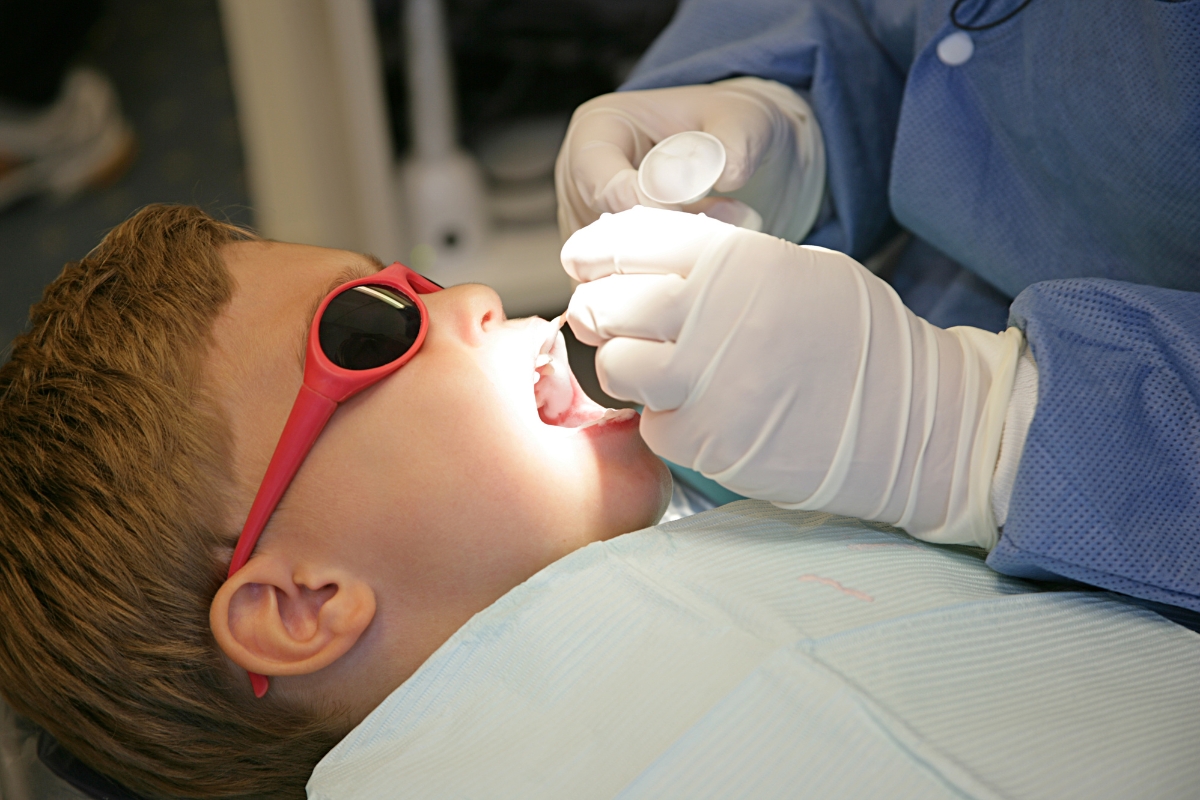
Regular dental checkups are the best way to catch damage from nail biting early. If you haven’t already found a pediatric dentist near you, then it is a great time to get connected — and when you do, nail biting is absolutely worth mentioning. During a routine visit, your child’s dentist can:
- Examine enamel for chips, cracks, or unusual wear
- Check for any alignment concerns caused by the habit
- Assess gum health and soft tissue around the teeth
- Recommend preventive treatments like dental sealants or fluoride applications to strengthen vulnerable enamel
If you’re in the Spanaway area and haven’t had your child’s teeth checked recently, now is a great time to schedule a visit — especially if nail biting has been going on for a while.
FAQ:
Q: At what age should I be concerned about my child’s nail biting habit?
Any age is worth paying attention to, but if the habit begins affecting your child’s permanent teeth (which usually start coming in around age 6–7), it’s time to take action. For younger children with only baby teeth, the concern is mainly hygiene and gum health.
Q: Can nail biting cause permanent damage to my child’s teeth?
Yes, it can — particularly to enamel, which doesn’t regenerate once it’s worn away. Chips, cracks, and shifting teeth caused by chronic nail biting can require cosmetic or orthodontic correction down the line.
Q: My child wears braces. Is nail biting a bigger problem?
Absolutely. Nail biting while in orthodontic treatment can loosen brackets, put pressure on the teeth being moved, and slow or reverse alignment progress. It’s especially important to address the habit during orthodontic treatment.
Q: Are there dental treatments to repair damage from nail biting in kids?
Yes. Depending on the extent of the damage, a children’s dentist may recommend dental bonding to repair small chips, fluoride treatments to strengthen enamel, or a referral to an orthodontist if alignment is affected.
Q: Could nail biting be a sign of anxiety in my child?
It can be. Nail biting is often linked to stress and anxiety in children. If the habit is intense or accompanied by other behaviors like hair pulling, thumb sucking, or skin picking, it may be worth speaking with your child’s pediatrician or a child psychologist.
Q: How long does it typically take for a child to stop biting their nails?
It varies. Some children respond quickly to deterrent nail polish and positive reinforcement, stopping within a few weeks. For others — especially if the habit is anxiety-driven — it can take months. Consistency and patience are key.
Q: I’m looking for a kids dentist near me in the Puyallup area — can they help with nail biting?
Absolutely. A pediatric dentist in Puyallup is trained to counsel both children and parents on harmful oral habits like nail biting. They can provide personalized guidance, monitor dental health over time, and catch any damage early before it becomes a bigger issue. If you’re in Spanaway or the surrounding Puyallup area, a local kids dentist is your best first call.