


Straight Teeth & Oral Health in Spanaway, WA
Most parents notice a crooked smile. Fewer realize that misaligned teeth can quietly affect a child’s long-term health. Straight teeth do more than look good—here’s why it matters in Spanaway, and why Dr. Lucas Trerice encourages families to understand the full picture. Alignment is about far more than aesthetics. It shapes how children eat, speak, breathe, and care for their teeth every single day.
Why Straight Teeth Matter Beyond Appearance in Spanaway
When teeth are properly aligned, they work together efficiently. Chewing becomes easier, and food breaks down the way it should. That directly supports digestion and nutrition in growing children. Misaligned teeth force the jaw to compensate, which can lead to muscle strain and discomfort over time.
Crowded or overlapping teeth are also harder to clean. Toothbrush bristles cannot reach tight spaces between teeth. Floss struggles to move through overlapping contacts. This creates the perfect environment for plaque buildup, cavities, and gum disease.
Spanaway families who prioritize alignment early give their children a real health advantage. The benefits extend well past the teenage years. Addressing alignment during childhood, when the jaw is still developing, tends to produce faster and more lasting results.
The Hidden Health Consequences of Delaying Orthodontic Care
Delaying alignment treatment rarely makes the problem go away. In most cases, misalignment worsens as permanent teeth continue to come in. What might require a simple early intervention can become a more complex correction later. Parents sometimes wait, hoping teeth will shift on their own—but that rarely happens without guidance.
Poor alignment can contribute to uneven tooth wear. Some teeth absorb more pressure than others during biting and chewing. Over time, this erodes enamel unevenly and weakens specific teeth. That wear is largely irreversible without restorative work.
Jaw misalignment can also affect sleep. Some children with bite problems develop mouth-breathing habits. This can disrupt sleep quality and affect daytime focus and energy. These are not minor inconveniences—they affect a child’s daily life and development.
- Increased risk of tooth decay in hard-to-clean crowded areas
- Uneven enamel wear from misaligned bite forces
- Jaw muscle tension and chronic discomfort
- Difficulty chewing certain foods properly
- Mouth-breathing patterns that disrupt sleep
- Speech challenges linked to certain bite problems
How Alignment Connects to Your Child’s Overall Dental Health
Straight teeth are easier to brush and floss thoroughly. That means fewer cavities and healthier gums over a lifetime. Children who can clean their teeth effectively tend to carry those habits into adulthood. The dental foundation built in childhood shapes outcomes for decades.
When teeth are aligned, the bite distributes pressure evenly across all teeth. No single tooth absorbs excessive force. This protects both enamel and the underlying structure of each tooth. Healthy teeth are far less likely to need complex repair down the road.
When cavities or damage do occur—sometimes even in well-aligned smiles—timely treatment matters. Pediatric Restorative Dentistry addresses damage before it spreads to deeper structures. Catching problems early keeps children out of discomfort and out of more intensive procedures. Prevention and restoration work best as a team.
In some cases, untreated decay in misaligned teeth can reach the tooth’s inner pulp. That level of infection may require Root Canal Therapy For Children to save the tooth. Proper alignment reduces the likelihood of reaching that point. Healthy positioning gives preventive care its best chance to work.
What Alignment Treatment Looks Like for Children in Spanaway
Parents often wonder when to start thinking about orthodontic evaluation. The American Association of Orthodontists recommends a first evaluation around age seven. At that stage, Dr. Trerice can assess how permanent teeth are developing. Early information helps families plan ahead with confidence.
Not every child needs immediate treatment after an early evaluation. Some simply need monitoring over time. Others benefit from early interceptive care that guides jaw growth. Each child’s path is different, and Dr. Trerice tailors recommendations to the individual child—not a one-size-fits-all plan.
- Early evaluation around age seven to assess development
- Monitoring phase for mild concerns that may self-correct
- Interceptive orthodontics to guide jaw and tooth positioning
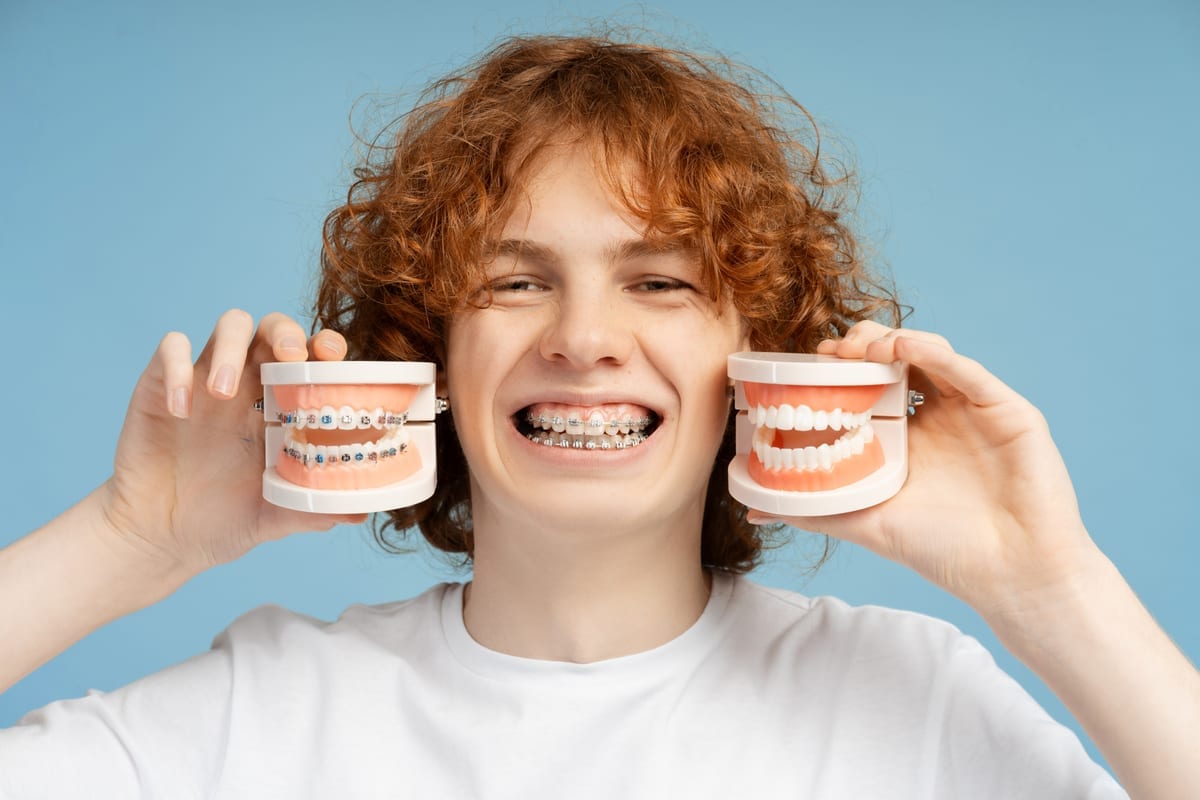
- Traditional braces or clear aligner options for older children
- Regular follow-up to track progress and adjust treatment
Spanaway families can trust that treatment recommendations here always center on health—not pressure. Dr. Trerice and the team at Spanaway Children’s Dentistry explain every option clearly. Parents leave appointments informed and empowered. That transparency builds trust and helps children feel comfortable with care.
Starting the Conversation About Your Child’s Smile
If you have noticed crowding, spacing issues, or a bite that does not look quite right, that observation matters. Bringing it up at a dental visit costs nothing. Dr. Trerice is experienced in spotting alignment concerns that parents may not yet see. A simple check-in can clarify whether treatment is needed now, later, or not at all.
Children who grow up with aligned, healthy smiles tend to feel more confident. They often find it easier to maintain oral hygiene habits. They face fewer dental emergencies as they age. The long-term payoff of early attention is real and measurable.
Straight teeth do more than look good—here’s why it matters in Spanaway: alignment shapes health outcomes that last a lifetime. Spanaway Children’s Dentistry is here to guide your family every step of the way. Book Now to schedule your appointment with our team.
Frequently Asked Questions
At what age should my child have an orthodontic evaluation?
Most dental professionals recommend a first orthodontic evaluation around age seven. At this stage, Dr. Trerice can assess how permanent teeth are developing alongside baby teeth. Early evaluation does not always mean early treatment—it simply gives families a clear picture of what to expect and whether any action is needed.
Can crooked teeth really cause health problems beyond cavities?
Yes, they can. Misaligned teeth can contribute to uneven jaw pressure, muscle tension, and even sleep disruption in some children. Bite problems affect how children chew food, which can impact digestion over time. Addressing alignment early reduces the risk of these compounding health issues.
What happens if we wait and see before starting orthodontic treatment?
Waiting is sometimes the right choice—but it depends on the specific situation. For some mild concerns, teeth do shift naturally as a child grows. For others, delaying care allows misalignment to worsen and makes future treatment more complex. Dr. Trerice can help you understand whether watchful waiting or early intervention is right for your child.
How does alignment affect my child’s ability to brush and floss?
Crowded or overlapping teeth create tight spaces that are difficult to clean thoroughly. Plaque and bacteria accumulate in those areas, increasing the risk of cavities and gum disease. Properly aligned teeth allow toothbrush bristles and floss to reach all surfaces effectively, making daily hygiene routines far more successful.
Does Spanaway Children’s Dentistry offer orthodontic services for young children?
Yes. Dr. Lucas Trerice and the team at Spanaway Children’s Dentistry provide orthodontic evaluations and treatment options tailored to children at different stages of development. Whether your child needs early interceptive care or traditional alignment treatment, the team will walk you through every option in a clear, pressure-free way.