


Cavity Prevention for Kids in Elk Plain, WA
Many parents in Elk Plain ask the same question: Is your child a candidate for cavity prevention? The honest answer is that most children are. Cavities are the most common chronic childhood disease in the United States. But not every child has the same risk level — and that’s exactly why candidacy matters.
At Spanaway Children’s Dentistry, Dr. Lucas Trerice helps families understand which Preventative Dental Care tools are right for their child’s specific situation. Knowing your child’s risk level allows the dental team to create a personalized plan — not a one-size-fits-all approach.
Why Cavity Prevention Candidacy Matters in Elk Plain
Cavity prevention is not just about brushing and flossing. It involves professional treatments, dietary guidance, and consistent monitoring. Understanding whether your child is a strong candidate helps parents make smart decisions early.
Children in Elk Plain face the same cavity risks as kids everywhere. Sugary snacks, sports drinks, and inconsistent brushing routines all increase risk. Dr. Trerice evaluates each child individually to determine the right level of preventive care.
Early identification of high-risk children is especially important. When parents and providers work together early, they can stop cavities before they start. That’s far better than treating decay after it has already formed.
What Factors Determine If Your Child Is a Candidate?
Several key factors influence whether a child needs more aggressive preventive treatment. Dr. Trerice reviews these during every evaluation at Spanaway Children’s Dentistry. No two children are exactly alike, so the assessment is always personalized.
Here are the most common factors the dental team examines:
- Diet and snacking habits — Frequent sugar exposure greatly increases cavity risk
- Oral hygiene routine — How well and how often your child brushes and flosses
- Fluoride exposure — Whether your child drinks fluoridated water or uses fluoride toothpaste
- Family history of cavities — Genetics can influence enamel strength
- Dry mouth or mouth breathing — These conditions reduce saliva, which protects teeth
- Presence of deep grooves in molars — These areas trap bacteria and food particles easily
- Previous cavity history — Children who have had cavities before are at higher risk for future ones
After reviewing these factors, Dr. Trerice categorizes each child as low, moderate, or high risk. That risk category guides which preventive treatments are recommended. Parents receive clear explanations at every step.
What the Evaluation Involves at Your Child’s Visit
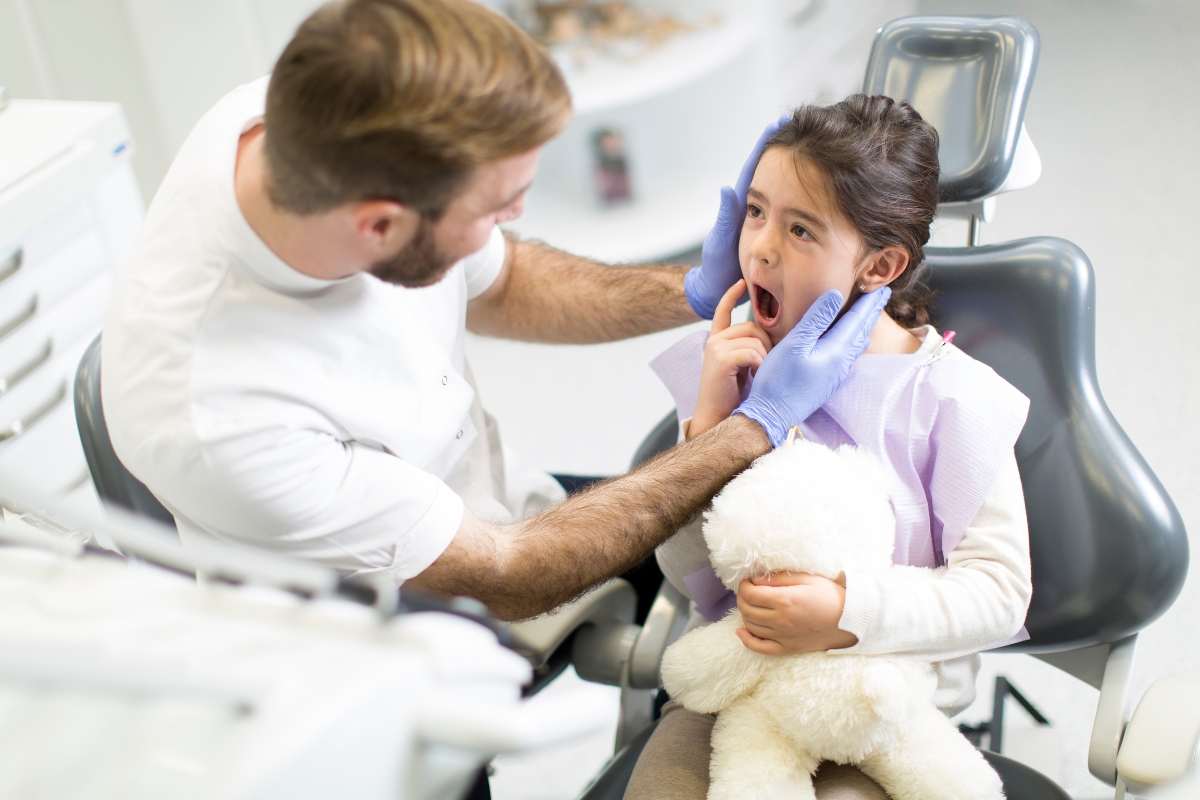
If you’re wondering whether your child is a candidate for cavity prevention in Elk Plain, the process starts with a First Visit to Spanaway Children’s Dentistry. Ththe risk of cavities e evaluation is gentle, friendly, and designed to put children at ease. Dr. Trerice and the team are experienced at working with kids of all ages and comfort levels.
During the evaluation, the dental team will complete a thorough exam. They look at the condition of existing teeth, the health of gum tissue, and any early signs of decay. X-rays may be taken depending on your child’s age and risk level.
Here is what parents can expect during a typical preventive evaluation:
- Medical and dental history review — The team gathers background information about your child’s overall health
- Clinical examination — Dr. Trerice checks each tooth and the surrounding gum tissue carefully
- Risk assessment conversation — You discuss diet, hygiene habits, and any concerns you have at home
- X-rays if appropriate — These help identify decay hiding between teeth or under the gumline
- Personalized prevention plan — Based on findings, the team recommends specific next steps
The entire visit is educational for parents. You leave with a clear picture of your child’s current oral health and a concrete plan to protect it.
Which Preventive Treatments Might Be Recommended?
Once candidacy is determined, Dr. Trerice may recommend one or more preventive treatments. These options are safe, proven, and specifically designed for children. The goal is always to protect developing teeth with the least invasive approach possible.
Dental sealants are thin protective coatings applied to the chewing surfaces of back teeth. They fill in deep grooves where bacteria love to hide. Children with deep molars or a history of cavities benefit greatly from sealants.
Fluoride treatments strengthen enamel and make teeth more resistant to acid attacks. They are especially helpful for children who don’t get enough fluoride through their water supply. Dr. Trerice determines the right concentration and frequency for each child.
Dietary counseling helps parents understand which snacks and drinks are safest for their child’s teeth. Small changes at home can dramatically reduce cavity risk over time. The team provides practical, easy-to-follow guidance — not judgment.
Other strategies may include customized brushing instruction, prescription fluoride toothpaste for high-risk children, and more frequent check-up schedules. Every recommendation is tailored to your child’s specific risk level and age.
When Should Elk Plain Parents Start Thinking About Prevention?
Prevention should begin earlier than most parents expect. The American Academy of Pediatric Dentistry recommends a child’s first dental visit by their first birthday. Early visits allow Dr. Trerice to catch problems before they grow and to educate parents while habits are still forming.
Toddlers and young children can develop cavities as soon as their first teeth appear. Baby teeth matter because they hold space for permanent teeth and help children chew and speak properly. Protecting them from decay is a real priority — not something to postpone.
School-age children are also strong candidates for preventive care. Their permanent molars erupt between ages 6 and 12, making sealants especially timely during those years. Teenagers benefit from continued fluoride treatments and reinforced hygiene habits as dietary independence increases.
No matter your child’s age, it is never too late to ask: Is your child a candidate for cavity prevention in Elk Plain? Starting the conversation with Dr. Trerice is always the right first step.
Frequently Asked Questions
At what age should my child first be evaluated for cavity prevention?
Dr. Trerice recommends bringing your child in by their first birthday or when their first tooth appears. Early evaluations help identify risk factors before cavities develop. Starting preventive care young gives children the best foundation for lifelong oral health.
Are dental sealants safe for young children?
Yes, dental sealants are considered safe and effective for children. They have been used in pediatric dentistry for decades. The sealant material bonds to the tooth surface and creates a physical barrier against bacteria and food debris.
How often should a high-risk child visit the dentist?
Children identified as high risk for cavities may benefit from more frequent visits — sometimes every three to four months instead of every six. Dr. Trerice will recommend a visit schedule based on your child’s individual risk profile. More frequent check-ins allow the team to catch any early signs of decay quickly.
Can cavity prevention treatments replace brushing and flossing at home?
No — professional treatments work best when paired with a strong home routine. Brushing twice daily and flossing regularly are still essential habits. Preventive treatments like sealants and fluoride add an extra layer of protection, but they don’t replace good daily hygiene.
What if my child is nervous about dental visits?
Dental anxiety is very common in children, and Dr. Trerice’s team is trained to handle it with patience and care. The office environment at Spanaway Children’s Dentistry is designed to be welcoming and low-stress for kids. Parents are encouraged to communicate their child’s concerns ahead of time so the team can prepare accordingly.
Every child in Elk Plain deserves a cavity-free smile. Dr. Lucas Trerice and the team at Spanaway Children’s Dentistry are here to make that possible with personalized, evidence-based preventive care. Book Now to schedule your appointment with our team.