


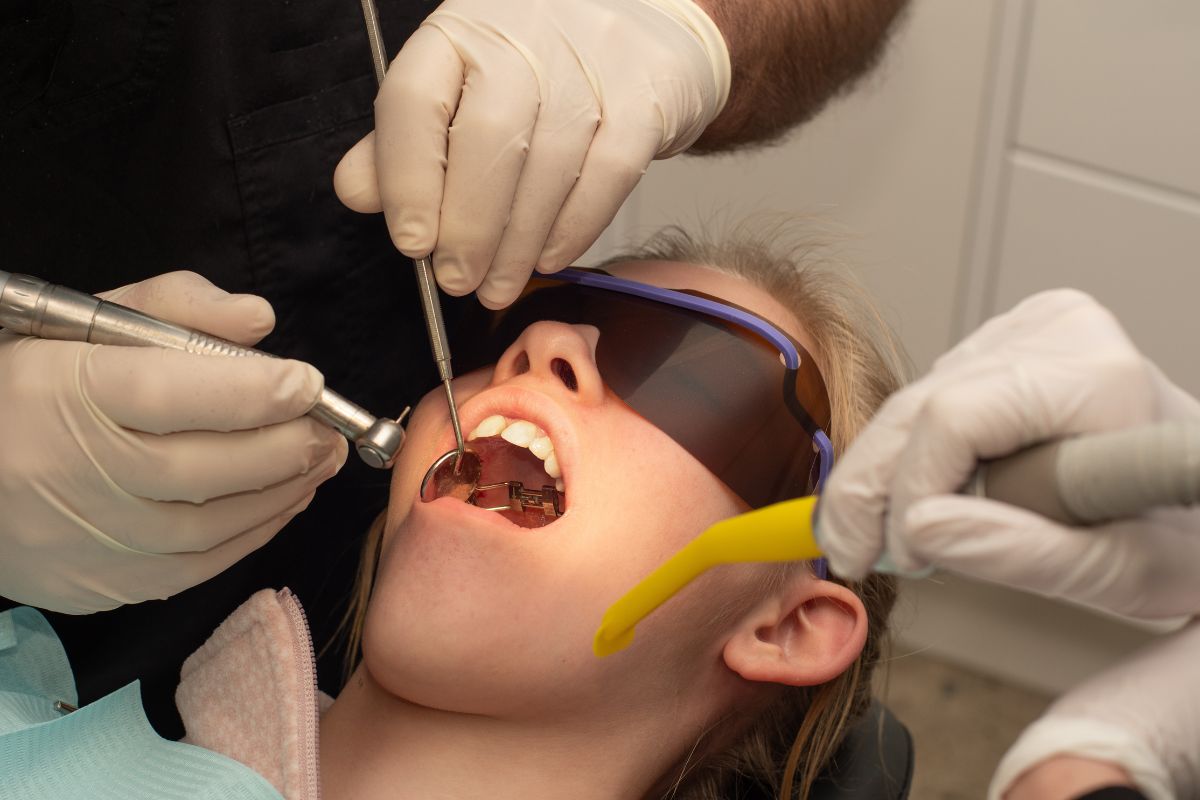
What Happens When a Cavity Reaches the Nerve in a Child’s Tooth?
A small cavity in your child’s tooth may seem harmless at first. However, untreated decay can gradually move through the enamel and dentin until it reaches the sensitive tissue inside the tooth. At this stage, your child may develop persistent toothaches, sensitivity, or an infection that requires dental treatment.
At Spanaway Children’s Dentistry, Dr. Atabakhsh helps parents understand how deep cavities affect their children’s oral health. Our pediatric dentist can examine the affected tooth and determine whether its inner tissue can recover or needs further treatment.
For families concerned about severe tooth decay, root canal therapy in Spanaway may help preserve a damaged tooth and prevent additional complications. Understanding the warning signs can help parents seek treatment before the infection progresses.
Understanding How Cavities Reach Tooth Nerves
Every tooth contains several layers that protect its internal structures. Enamel forms the hard outer surface, while dentin lies beneath it. The innermost section, called the dental pulp, contains nerves, blood vessels, and connective tissue.
Cavities develop when bacteria in dental plaque produce acids that damage tooth enamel. As decay progresses, it can penetrate deeper into the tooth.
Baby teeth have thinner enamel and dentin than permanent teeth. As a result, cavities may reach the pulp more quickly.
When bacteria irritate or infect this tissue, the tooth can develop pulpitis, inflammation of the dental pulp.
Why Deep Cavities Develop in Children
Several factors increase the likelihood of advanced childhood tooth decay:
- Frequent sugary snacks: Repeated sugar exposure allows bacteria to produce enamel-damaging acids.
- Inadequate brushing: Plaque builds up around teeth when children miss hard-to-reach areas.
- Limited flossing: Bacteria can remain between neighboring teeth.
- Delayed dental visits: Small cavities may progress without noticeable symptoms.
- Deep tooth grooves: Food particles and plaque can accumulate on molar surfaces.
Recognizing these contributing factors helps parents reduce their children’s risk of severe decay.
What Happens Inside an Infected Tooth
When a cavity reaches the dental pulp, bacteria can trigger inflammation and damage the surrounding tissue.
The condition may progress through three stages.
Early Inflammation of the Dental Pulp
Initially, the pulp may develop reversible inflammation. Children might experience brief sensitivity to cold drinks or sweet foods.
At this stage, removing decay and protecting the tooth may allow the pulp to recover.
Persistent Inflammation and Nerve Damage
If bacteria continue spreading, inflammation may become irreversible. The damaged pulp can no longer return to a healthy condition.
Children may experience spontaneous toothaches, prolonged sensitivity, or discomfort while chewing. Some teeth develop significant inflammation without obvious pain.
Infection Beyond the Tooth Root
Untreated pulp damage can eventually cause tissue death, also called pulp necrosis.
Bacteria may spread beyond the tooth roots, potentially causing a dental abscess, gum swelling, or damage to surrounding bone.
A dental examination becomes essential when these complications develop.
Warning Signs Parents Should Never Ignore
Deep cavities do not always cause immediate discomfort. However, certain symptoms suggest that the tooth’s inner structures may be affected.
Watch for these warning signs:
- Persistent or recurring toothaches
- Pain that interrupts sleep
- Sensitivity that continues after eating or drinking
- Discomfort when biting or chewing
- Swelling or tenderness around the gums
- A small pimple-like bump near the affected tooth
- Darkening or discoloration of a tooth
Facial swelling, fever, or worsening pain requires prompt dental attention. Difficulty breathing or swallowing requires emergency medical care.
Even without pain, a visible cavity deserves evaluation.
How Dentists Diagnose Deep Tooth Decay
Our pediatric dentist evaluates more than a cavity’s visible size to determine whether the dental pulp is affected.
The examination generally includes reviewing symptoms, checking the tooth, and examining nearby gum tissue.
Dental X-rays may reveal how far decay has progressed and whether infection has affected the roots or surrounding bone.
The dental practitioner also considers whether the affected tooth is a baby tooth or a developing permanent tooth.
These findings help determine whether a filling, pulp treatment, or another procedure is appropriate.
Treatment Options for Deep Cavities in Children
Not every cavity that approaches the nerve requires complete pulp removal. Treatment depends on the extent of inflammation, infection, and remaining tooth structure.
Protective Treatment for Deep Cavities
When the pulp remains healthy or has reversible inflammation, dentists may remove selected areas of decay and place a protective restoration.
This approach helps preserve living pulp tissue while sealing the tooth against bacteria.
Pulpotomy for Inflamed Baby Teeth
A pulpotomy removes affected pulp tissue from the tooth’s crown while preserving healthy tissue in the roots.
The professional places a protective material before restoring the tooth, sometimes with a dental crown.
Pulpectomy for Severely Damaged Pulp
When inflammation or infection affects the pulp inside the roots, a pulpectomy may be appropriate for a restorable baby tooth.
This procedure removes diseased pulp tissue, cleans the canals, and fills them with a suitable material.
Often described as a baby tooth root canal, this treatment aims to retain the tooth until its natural replacement arrives.
For children with advanced decay, root canal therapy in Spanaway may provide a tooth-preserving option following a complete examination.
Parents can visit our dental office to discuss their child’s symptoms and determine the appropriate next steps with our professionals.
What Children Experience During Pulp Treatment
Many parents worry that dental nerve treatment will cause significant discomfort.
During root canal therapy, the dentist typically uses local anesthesia to numb the affected area. Additional comfort measures may depend on the child’s needs.
After accessing the pulp chamber, the dental professional removes the affected tissue, cleans the necessary areas, and restores the tooth.
A dental crown may help protect a severely damaged baby molar from further breakdown.
Following treatment, temporary tenderness is possible. Parents should follow the dentist’s recommendations for eating, brushing, and managing discomfort.
Why Preserving Baby Teeth Still Matters
Although baby teeth eventually fall out, they serve important purposes throughout childhood.
They support chewing, speech development, and appropriate spacing for permanent teeth.
Premature tooth loss can sometimes allow neighboring teeth to shift, potentially affecting permanent tooth eruption.
Preserving a restorable baby tooth may help maintain these functions.
However, extraction may be necessary when extensive damage, severe infection, or poor remaining tooth structure makes preservation unsuitable.
Preventing Cavities From Reaching the Nerve
Parents can reduce the likelihood of advanced tooth decay through consistent preventive habits.
- Brush children’s teeth twice daily with fluoride toothpaste appropriate for their age.
- Help children floss between teeth.
- Limit frequent sugary drinks and snacks.
- Schedule regular dental examinations.
- Ask about fluoride treatments and dental sealants.
- Address visible cavities before discomfort begins.
Early care can reduce the need for extensive procedures such as root canal therapy.
Protect Your Child’s Smile in Spanaway
A cavity reaching the tooth’s nerve can cause significant discomfort and infection. However, timely diagnosis can help determine whether the affected tooth can be preserved.
At Spanaway Children’s Dentistry in Spanaway, Dr. Atabakhsh treats children with deep cavities and dental nerve concerns. Families considering root canal therapy in Spanaway can receive an evaluation of their child’s tooth and available treatment options.
Our dental office is located in Spanaway and serves families from Puyallup, Yelm, South Hill, Tacoma, Lakewood, Graham, and Eatonville.
Call +1 253-286-0241 to book an appointment and take the next step toward protecting your child’s dental health.
Frequently Asked Questions
Can a deep cavity damage a child’s tooth nerve permanently?
Yes. When bacteria reach the dental pulp, they can cause inflammation that may become irreversible. Without treatment, the pulp can eventually die. A dental examination helps determine whether the tooth needs protective treatment, pulp removal, or extraction.
Can a child have an infected tooth without pain?
Yes. Some children develop deep decay or pulp infections without noticeable discomfort. Pain may also disappear when the pulp loses vitality. Dental X-rays and a clinical examination help identify problems that symptoms alone cannot reveal.
Can a baby tooth survive after nerve treatment?
Yes. A restorable baby tooth may remain functional after appropriate pulp treatment. Our dentist removes the affected tissue and seals the tooth to prevent further bacterial contamination. A crown may provide additional protection until the tooth naturally falls out.
Is a filling enough for a cavity near the nerve?
Sometimes. If the pulp remains healthy or has reversible inflammation, protective treatment and a restoration may be sufficient. However, irreversible pulp damage may require more extensive care. Our dentist determines treatment based on symptoms, examination findings, and X-rays.
How quickly should parents seek care for deep cavities?
Parents should schedule a dental exam promptly if they notice persistent pain, visible decay, or unusual sensitivity. Swelling and fever require urgent evaluation. Early treatment may prevent infection from spreading and increase the possibility of preserving the tooth.
How can parents prepare children for dental nerve treatment?
Explain that the dental practitioner will help their tooth feel comfortable again. Avoid frightening descriptions or promises that treatment will feel completely painless. Our pediatric dentist can discuss comfort measures, explain each step, and help children understand what to expect.