



The Role of Pediatric Dentists in Managing Dental Anxiety in Kids
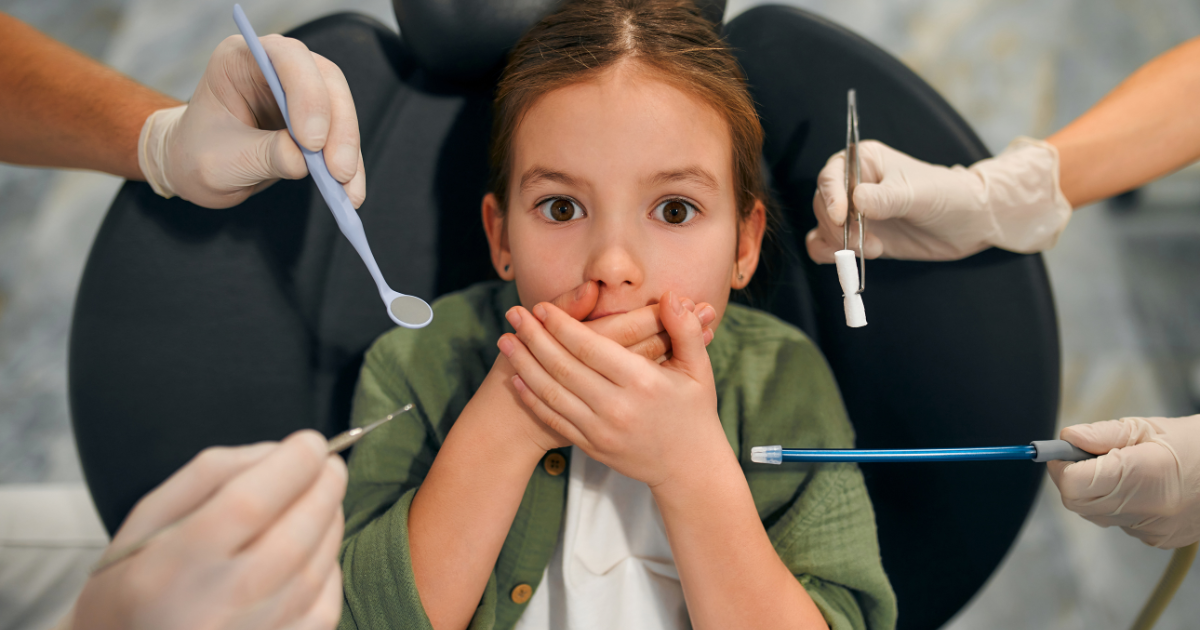
Dental visits can be a nerve-wracking experience, especially for children. The fear of the unknown, strange instruments, and potential discomfort often result in dental anxiety. This common concern affects many young patients, but pediatric dentists play a crucial role in alleviating it. Through specialized techniques, a child-friendly environment, and their compassionate approach, they turn a seemingly scary experience into a manageable and often positive one.
Let’s dive into the key ways pediatric dentists help children overcome this challenge and develop a healthy, lifelong relationship with dental care.
The Importance of Addressing Dental Anxiety Early
One of the primary concerns in pediatric dentistry is making children feel comfortable in the dental chair. Dental anxiety in kids is not only about fear; it can lead to long-term negative consequences. Avoiding dental visits due to anxiety can result in untreated cavities, gum issues, and poor oral hygiene habits that may persist into adulthood. Pediatric dentists are trained to recognize the early signs of fear and take proactive steps to prevent it from escalating. By doing so, they ensure that children receive the care they need without the added stress or discomfort.
The earlier dental anxiety is addressed, the easier it is for children to form positive dental habits. Children who grow up with a fear of the dentist may avoid necessary treatments, leading to more significant problems down the road. Pediatric dentists, with their gentle and understanding approach, help build a strong foundation of trust, ensuring that children are comfortable visiting the dentist as they grow.
How Pediatric Dentists Create a Child-Friendly Environment
The dental office can be an intimidating place for children, but pediatric dentists know how to make their space welcoming and less clinical. Bright colors, engaging toys, and playful decor all work together to create an environment that feels more like a fun adventure than a medical appointment. The waiting areas often resemble playrooms, allowing children to relax and feel more at ease before their appointment begins.
In addition, the tools and equipment pediatric dentists use are designed with kids in mind. They are smaller and often presented in a way that looks less threatening. Pediatric dentists might even give fun names to certain tools, like calling a suction tube a “vacuum” to make the process feel familiar and playful. By transforming the environment, they eliminate the initial fear many children experience when walking into a dental office.
Building Trust Through Communication
Pediatric dentists understand that communication is key to easing dental anxiety in kids. One of the first things they do is build trust with their young patients. They speak in a calm and friendly tone, explaining every step of the procedure in terms children can understand. For example, instead of saying, “We’re going to clean your teeth,” they might say, “We’re going to make your smile sparkle!”
This simple yet effective form of communication reassures children and makes them feel involved in the process. Pediatric dentists also take the time to answer any questions a child might have, allowing them to feel heard and valued. This open line of communication significantly reduces fear, as children know what to expect and feel more in control of the situation.
Techniques Pediatric Dentists Use to Ease Anxiety
Pediatric dentists employ a variety of techniques to help children feel at ease during their appointments. These techniques are not only designed to reduce dental anxiety but also to ensure that the child’s experience is as positive as possible.
Tell-Show-Do:
One of the most effective methods pediatric dentists use is the “Tell-Show-Do” technique. The dentist first tells the child what will happen, shows them the tools or actions that will be used, and then performs the procedure. This gradual introduction helps children understand what to expect and prevents surprises that could trigger anxiety.
Positive Reinforcement:
Pediatric dentists often use rewards such as stickers or small toys as positive reinforcement. After a procedure, the child is praised for their bravery, reinforcing good behavior and creating a sense of accomplishment. This builds a positive association with dental visits.
Distraction Techniques:
To shift a child’s focus away from the procedure, pediatric dentists use distraction techniques. These might include playing the child’s favorite music, showing cartoons on a screen, or engaging them in conversation about something they enjoy. Keeping their minds occupied helps reduce fear and anxiety.
Deep Breathing and Relaxation:
For children with more significant dental anxiety, pediatric dentists may guide them through deep breathing exercises or relaxation techniques. By teaching them how to control their breathing and stay calm, they empower children to manage their own stress.
Parental Involvement:
Pediatric dentists often encourage parents to stay with their child during appointments, especially for younger kids. Having a familiar face nearby can provide comfort and reassurance, making the child feel safer and more secure.
Sedation Options for Severe Anxiety
While most children benefit from the non-invasive techniques mentioned above, some experience severe dental anxiety that requires additional measures. In such cases, pediatric dentists may recommend sedation. Sedation options are carefully chosen based on the child’s age, medical history, and level of anxiety.
Nitrous Oxide (Laughing Gas):
This mild sedative helps children feel more relaxed while staying awake during the procedure. It is commonly used because it wears off quickly, allowing the child to return to normal activities soon after the appointment.
Oral Sedation:
For more anxious children, oral sedation might be an option. The child is given medication in liquid or pill form before the procedure, which helps them relax while still being conscious.
IV Sedation:
In rare cases, where a child’s anxiety is extreme, IV sedation might be recommended. This type of sedation allows the child to sleep through the procedure, waking up afterward with no memory of the experience. Pediatric dentists work closely with parents to determine the best approach for their child, ensuring safety and comfort.
Encouraging Positive Oral Health Habits at Home
The role of a pediatric dentist extends beyond managing anxiety during appointments. They also play a significant part in educating both children and parents on the importance of maintaining oral health. By teaching kids how to brush and floss correctly and encouraging regular checkups, pediatric dentists help prevent anxiety-inducing dental issues from arising in the first place.
Parents are also given tips on how to make oral care at home a fun and engaging experience. For example, using a reward chart for brushing or turning brushing time into a game can make children look forward to the activity. When children are actively involved in their oral care, they are less likely to feel nervous about dental visits.
Final Thoughts on Managing Dental Anxiety
Pediatric dentists are uniquely equipped to handle dental anxiety in children, using a combination of specialized techniques, a warm environment, and strong communication skills. Their goal is not just to treat dental issues but to create a positive experience that lasts a lifetime. By helping kids feel comfortable and confident in the dental chair, pediatric dentists lay the groundwork for a lifetime of good oral health habits.
Encouraging Positive Oral Health Habits at Home
The role of a pediatric dentist extends beyond managing anxiety during appointments. They also play a significant part in educating both children and parents on the importance of maintaining oral health. By teaching kids how to brush and floss correctly and encouraging regular checkups, pediatric dentists help prevent anxiety-inducing dental issues from arising in the first place.
Parents are also given tips on how to make oral care at home a fun and engaging experience. For example, using a reward chart for brushing or turning brushing time into a game can make children look forward to the activity. When children are actively involved in their oral care, they are less likely to feel nervous about dental visits.
Final Thoughts on Managing Dental Anxiety
Pediatric dentists are uniquely equipped to handle dental anxiety in children, using a combination of specialized techniques, a warm environment, and strong communication skills. Their goal is not just to treat dental issues but to create a positive experience that lasts a lifetime. By helping kids feel comfortable and confident in the dental chair, pediatric dentists lay the groundwork for a lifetime of good oral health habits.
If you’re looking for a kids dentist in Spanaway, consider choosing one who understands the importance of managing dental anxiety. A supportive and patient-centered dentist can make all the difference in your child’s dental health journey, laying the foundation for a lifetime of confident, healthy smiles.