


Common Dental Problems In Children And How To Prevent Them
Good oral health is essential at every stage of life, but it’s particularly crucial in childhood. Healthy teeth and gums ensure proper nutrition and speech development and boost a child’s self-esteem. This comprehensive blog will explore common dental problems in children and provide detailed tips on preventing them.
1. Tooth Decay
Tooth decay, also known as cavities or dental caries, is one of the most prevalent childhood dental issues.
Primary causes
- Poor Oral Hygiene: Inadequate brushing and flossing can allow plaque, a sticky film of bacteria, to build up on teeth.
- Sugar and Starch: Consumption of sugary snacks and drinks fuels the bacteria in the mouth, leading to acid production.
- Bacteria: Harmful bacteria in the mouth can accelerate the decay process.
Symptoms to Watch Out For:
- Toothache: Persistent pain in or around the tooth.
- Sensitivity to hot and cold: Discomfort when consuming hot or cold foods.
- White spots on teeth: An early sign of demineralization.
- Cavities: Holes or pits in the teeth.
Prevention Tips:
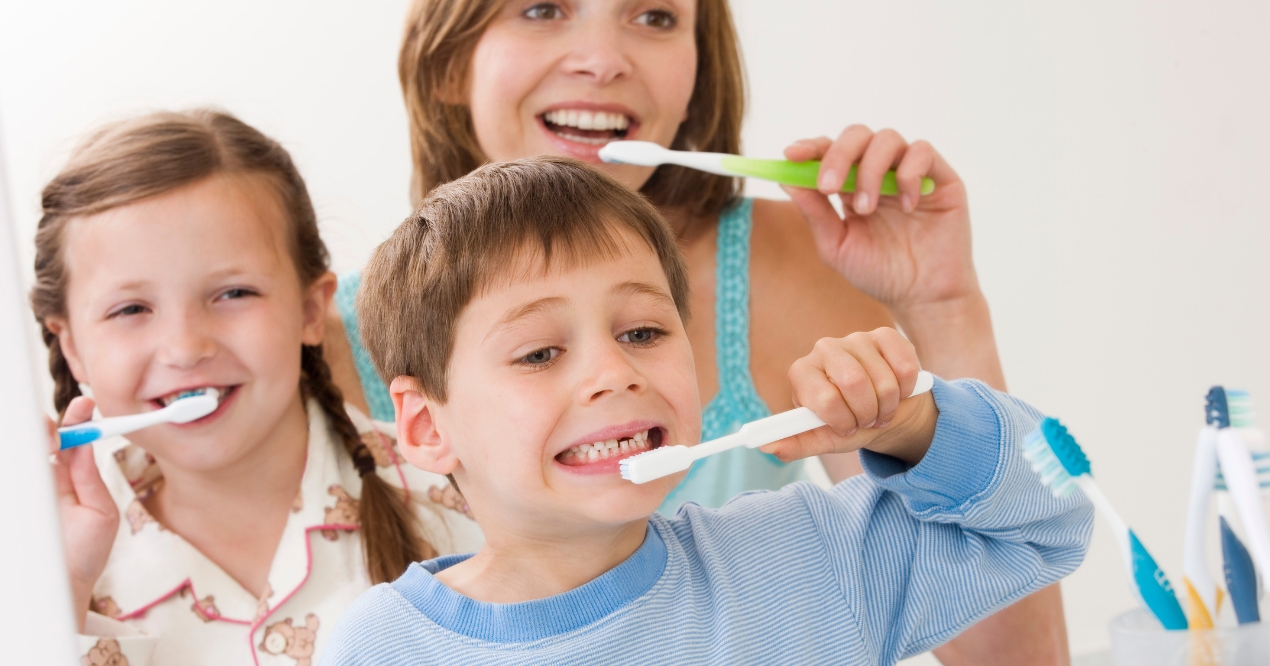
- Encourage regular brushing and flossing: Teach your child to brush at least twice and floss daily.
- Limit sugary snacks and drinks: Swap sugary items with healthier options and encourage water as a beverage.
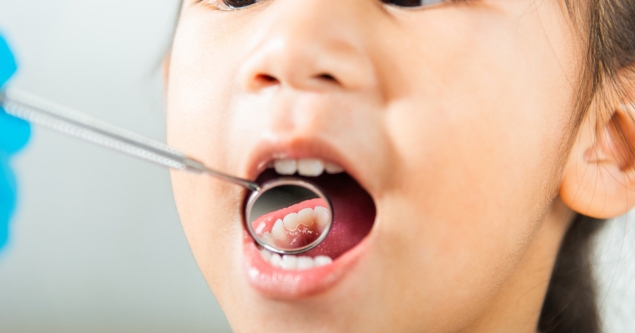
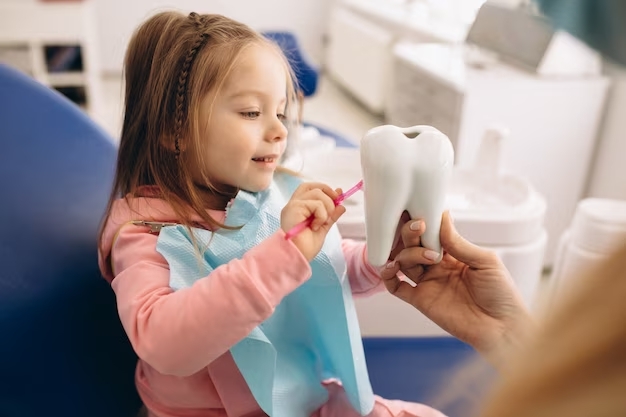
- Promote dental check-ups and professional cleanings: Regular visits to the dentist help identify and address potential issues.
2. Gum Disease
Gum disease can also affect children, with types including gingivitis and periodontitis.
Signs & Symptoms:
- Gingivitis: Swollen and bleeding gums: Inflammation of the gum tissue is a common early sign.
- Bad breath: Persistent halitosis can be a symptom of gum disease.
- Periodontitis: Gum recession: Gums pulling away from the teeth.
- Loose teeth: As the disease progresses, it can lead to tooth mobility.
Tips For Prevention:
- Teach proper brushing and flossing techniques: Make sure your child knows how to brush their teeth and gums effectively.
- Promote a balanced diet: Encourage a diet rich in fruits and vegetables and low in sugary and starchy foods.
- Encourage regular dental check-ups: Periodontal health is crucial, and early detection of gum disease is essential for effective management.
3. Tooth Loss
Tooth loss can impact a child’s oral health, speech, and self-esteem.
Common Causes:
- Tooth Decay: Severe decay can lead to extraction if left untreated.
- Accidents: Falls or injuries, especially during play or sports.
- Premature Loss: When baby teeth fall out too soon, it can disrupt the development of permanent teeth.
Steps to Prevent Early Tooth Loss:
- Encourage good oral hygiene: Proper brushing and flossing can prevent tooth decay and gum disease.
- Use mouthguards for sports: Protective gear can significantly reduce the risk of dental injuries during physical activities.
- Monitor for signs of bruxism (teeth grinding): Bruxism can lead to premature wear and tooth damage.
4. Malocclusion
Malocclusion refers to the misalignment of teeth or incorrect bite. It can affect a child’s dental health and self-esteem.
Types Of Malocclusion:
- Overbite: When the upper teeth overlap the lower ones.
- Underbite: Lower teeth protrude past upper teeth.
- Crossbite: Teeth are misaligned laterally.
Signs and Effects on Oral Health:
- Difficulty chewing and speaking: Malocclusion can lead to speech impediments and difficulty in eating.
- Jaw pain: Misalignment can cause chronic jaw discomfort and even headaches.
- Increased risk of dental problems: Crowded or misaligned teeth are harder to clean and maintain.
Preventive Measures and Treatments:
- Early orthodontic evaluation: Consult an orthodontist for an assessment to identify issues and plan for potential treatment.
- Braces or other orthodontic treatments: Corrective measures, such as braces or clear aligners, can help align teeth properly.
- Encourage regular dental check-ups: Monitoring the development of the child’s bite is vital for early intervention.
5. Dental Trauma
Children are naturally active, and accidents can lead to dental trauma.
Common Dental Injuries :
- Chipped or Broken Teeth: Falls or accidents can result in cracked or chipped teeth.
- Knocked-Out Teeth: Often, due to sports injuries, a knocked-out tooth requires immediate attention.
- Tooth Intrusion: When a tooth is pushed into the jawbone, which a hard blow to the face can cause.
Immediate Steps to Take in Case of Dental Trauma:
- Keep calm and reassure the child: Children can be scared during dental emergencies, so providing comfort and support is important.
- Take necessary steps: For knocked-out teeth, place them back in the socket or milk. This can preserve the tooth until you reach a dentist.
- Seek immediate dental care: Prompt attention is essential to salvage the tooth and minimize damage.
Preventive Strategies to Avoid Dental Emergencies:
- Use mouthguards during sports: Protective gear reduces the risk of dental injuries while playing sports.
- Childproof your home to prevent falls: Secure stairs, sharp furniture edges, and other hazards.
- Educate children about safety: Teach them to avoid risky behaviors that could lead to accidents.
Importance of Regular Dental Check-ups and Good Oral Hygiene Habits:
Dental health in children is of paramount importance. Common dental problems, such as tooth decay, gum disease, tooth loss, malocclusion, and dental trauma, can impact a child’s well-being in various ways. However, education, awareness, and good oral hygiene practices can prevent many of these issues.
Regular dental check-ups at our Spanaway pediatric dentistry can help catch dental issues early, preventing them from becoming more severe. Good oral hygiene habits, including brushing, flossing, and a balanced diet, play a vital role in maintaining healthy teeth and gums. By taking proactive steps to prevent dental problems, we can ensure children grow up with strong, beautiful smiles that last a lifetime.