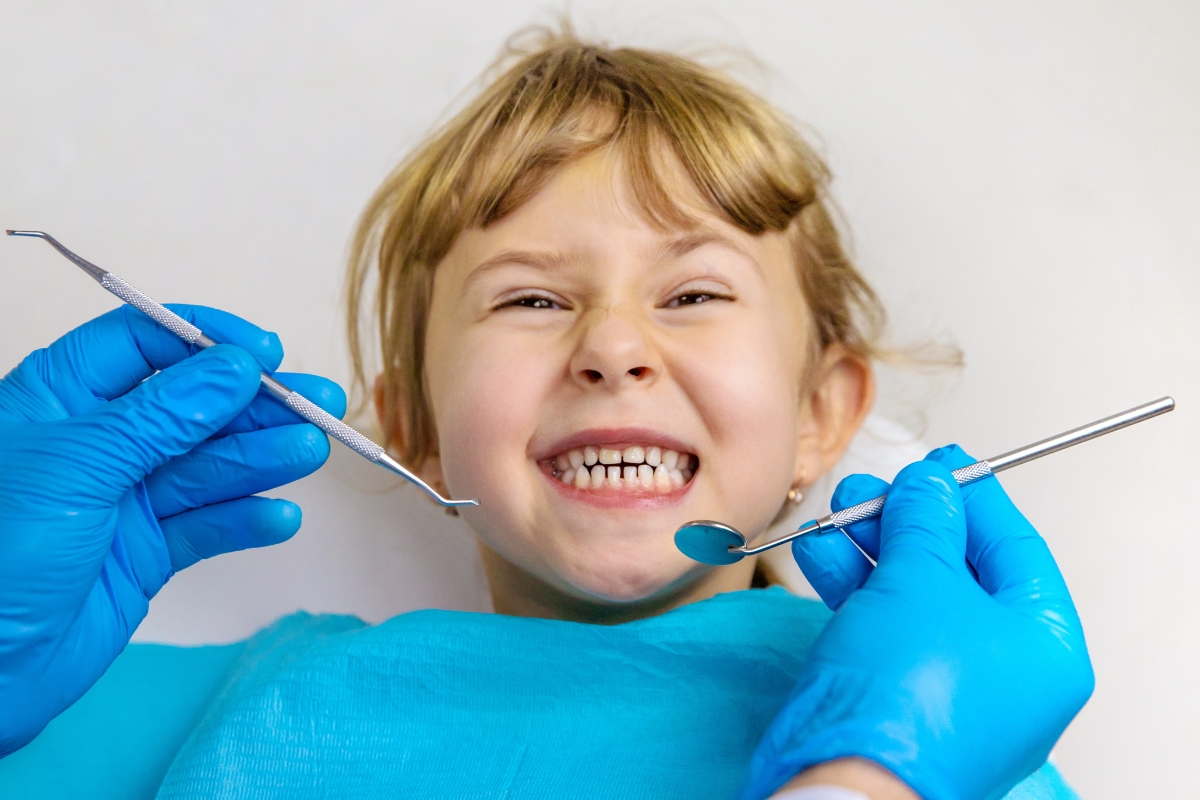




Restorative Dentistry For Kids In Spanaway: Ensuring Healthy Smiles For A Lifetime
The importance of good oral health in children cannot be overstated. Healthy teeth and gums not only contribute to a confident smile but also play a significant role in a child’s overall well-being. Restorative dentistry for kids is a crucial aspect of pediatric dentistry that focuses on repairing and preserving young patients’ dental health. In this comprehensive guide, we will explore what restorative dentistry for kids entails, its importance, common procedures, and tips for maintaining your child’s oral health.
Understanding Restorative Dentistry For Kids
Restorative dentistry for kids, also known as pediatric restorative dentistry, is a specialized field of dentistry that aims to diagnose, treat, and prevent dental issues in children. It focuses on restoring damaged or decayed teeth to their natural form and function while ensuring that children feel comfortable and secure during the treatment process.
Why Is Pediatric Restorative Dentistry Important?
Pediatric restorative dentistry is of paramount importance for several reasons, all of which contribute to the overall health and well-being of children. Here are some key reasons why pediatric restorative dentistry is crucial:
- Early Intervention: Children are more susceptible to dental problems, such as cavities, due to their developing teeth and eating habits. Restorative dentistry for kids allows dentists to identify and address these issues early, preventing more extensive problems in the future.
- Pain Relief: Restorative procedures can alleviate pain and discomfort caused by dental issues. Children who experience pain from tooth decay or other dental problems may struggle with eating, speaking, or concentrating in school. Restorative dentistry helps relieve this pain and improves a child’s quality of life.
- Preventing Tooth Loss: Preserving a child’s primary teeth is essential for proper development and oral health. Losing primary teeth prematurely can lead to misalignment of permanent teeth. Restorative dentistry can save primary teeth from extraction, ensuring the healthy development of the child’s bite.
- Boosting Confidence: A healthy smile can boost a child’s self-esteem. Restorative dentistry for kids not only restores dental health but also helps children feel more confident about their appearance.
Common Procedures In Pediatric Restorative Dentistry
Pediatric restorative dentistry encompasses a range of procedures aimed at repairing and preserving the dental health of children. These procedures are crucial for ensuring that children’s teeth remain healthy and functional as they grow. Below, we’ll explore some of the common procedures in pediatric restorative dentistry:
- Dental Fillings: Dental fillings are one of the most common restorative procedures for kids. They involve removing decayed portions of a tooth and filling the cavity with a tooth-colored material (composite resin) or amalgam. This prevents the decay from progressing and restores the tooth’s function.
- Pulpotomy: A pulpotomy is a procedure that involves removing the infected pulp tissue from a primary tooth, usually due to extensive decay. After the pulp is removed, the dentist fills the space with a suitable material, protecting the tooth’s structure and preventing further infection.
- Stainless Steel Crowns: When a primary tooth has significant decay or damage, a stainless steel crown may be placed to protect and restore it. These crowns are durable and can withstand the forces of chewing, ensuring the tooth remains functional until it naturally falls out.
- Extractions: In cases where a primary tooth cannot be saved or poses a risk to the child’s oral health, a dental extraction may be necessary. Dentists use gentle techniques to ensure minimal discomfort during this procedure.
- Space Maintainers: If a primary tooth is lost prematurely, space maintainers may be used to prevent neighboring teeth from shifting into the empty space. This ensures that there is enough room for permanent teeth to erupt properly.
- Sealants: Dental sealants are a preventive measure often used to protect the chewing surfaces of molars and premolars. They create a barrier that prevents food particles and bacteria from accumulating in the pits and fissures, reducing the risk of cavities.
Tips For Maintaining Your Child’s Oral Health
Maintaining your child’s oral health is crucial for their overall well-being. Healthy teeth and gums not only ensure proper nutrition but also play a significant role in speech development and self-esteem. Here are some important tips for maintaining your child’s oral health:
- Start Early: Begin oral care as soon as your child’s first tooth appears. Clean their gums with a soft, damp cloth, and switch to a small, soft-bristled toothbrush once teeth start coming in.
- Regular Dental Check-ups: Schedule regular dental check-ups for your child, starting around their first birthday. These visits help catch dental issues early and establish a positive relationship with the dentist.
- Balanced Diet: Encourage a balanced diet rich in fruits, vegetables, and dairy products. Limit sugary snacks and drinks, as they can contribute to tooth decay.
- Proper Brushing and Flossing: Teach your child how to brush and floss their teeth properly. Use fluoride toothpaste appropriate for their age and ensure they brush for two minutes at least twice a day.
- Supervise Brushing: Young children may need supervision to ensure they brush all surfaces of their teeth effectively. Use age-appropriate toothbrushes and toothpaste with the ADA Seal of Acceptance.
- Mouthguards: If your child plays sports, consider a custom-fitted mouthguard to protect their teeth from injury during physical activities.
- Lead By Example: Children often learn by observing their parents, so make sure you set a good example by maintaining your own oral hygiene and visiting the dentist regularly.
The Bottom Line
Restorative dentistry for kids in Spanaway plays a vital role in ensuring the oral health and well-being of children. Early intervention, regular dental check-ups, and proper oral hygiene practices are key to preventing and addressing dental issues in young patients. By following these guidelines and working closely with a pediatric dentist, you can help your child maintain a healthy smile that lasts a lifetime. Remember, a healthy smile contributes not only to physical well-being but also to a child’s self-esteem and overall confidence. Invest in your child’s oral health today for a brighter and healthier future.