



The Role Of Sedation Dentistry In Making Dental Visits Easier For Kids
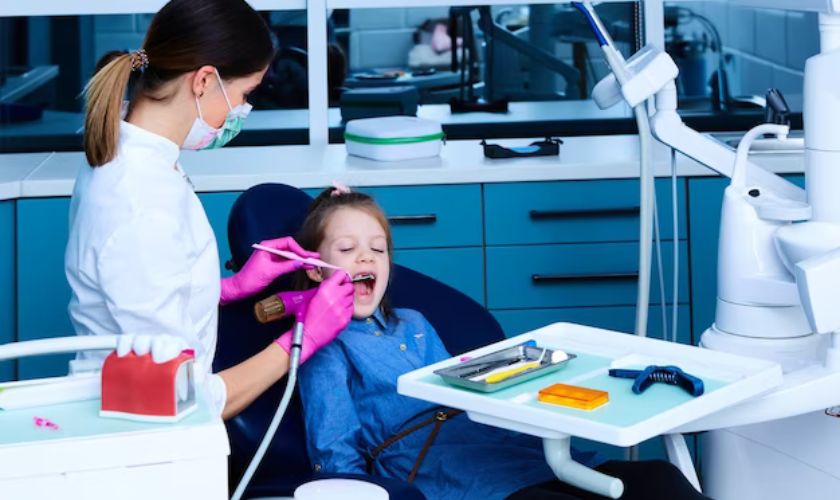
Dental visits can be anxiety-inducing for kids, with fear and apprehension often leading to resistance or refusal to cooperate during treatments. Sedation dentistry has emerged as a valuable tool to ensure a positive dental experience and maintain children’s oral health. This informative blog will explore the role of sedation dentistry in making dental visits easier for kids, highlighting its benefits and safety measures.
Understanding Sedation Dentistry
Sedation dentistry involves administering medication to relax and calm patients during dental procedures. For children, the focus is creating a stress-free environment to alleviate fear and make dental visits more comfortable. Different levels of sedation may be used, ranging from mild sedation, where the child remains awake but relaxed, to deep sedation or general anesthesia, where the child is unconscious. The level of sedation depends on the child’s age, anxiety level, and the complexity of the procedure.
Benefits Of Sedation Dentistry For Kids
Reducing Anxiety And Fear
One of the primary benefits of sedation dentistry is its ability to reduce anxiety and fear in children. Dental offices can be intimidating for young ones, and the fear of pain or unknown procedures can negatively affect dental care. Sedation helps children relax, making it easier for dentists to perform necessary treatments without causing undue stress.
Enhancing Cooperation And Treatment Efficiency
When kids are anxious, they may squirm, cry, or refuse to open their mouths during dental procedures, making it challenging for dentists to perform treatments effectively. Sedation allows dentists to work more efficiently as children are calmer, enabling a quicker and more successful dental session.
Pain Management
While sedation dentistry is not primarily used for pain relief, it can indirectly help manage discomfort. Relaxed children are less likely to feel heightened pain perception, contributing to a more comfortable experience during and after dental treatments.
Types Of Sedation Used For Children
Nitrous Oxide (Laughing Gas)
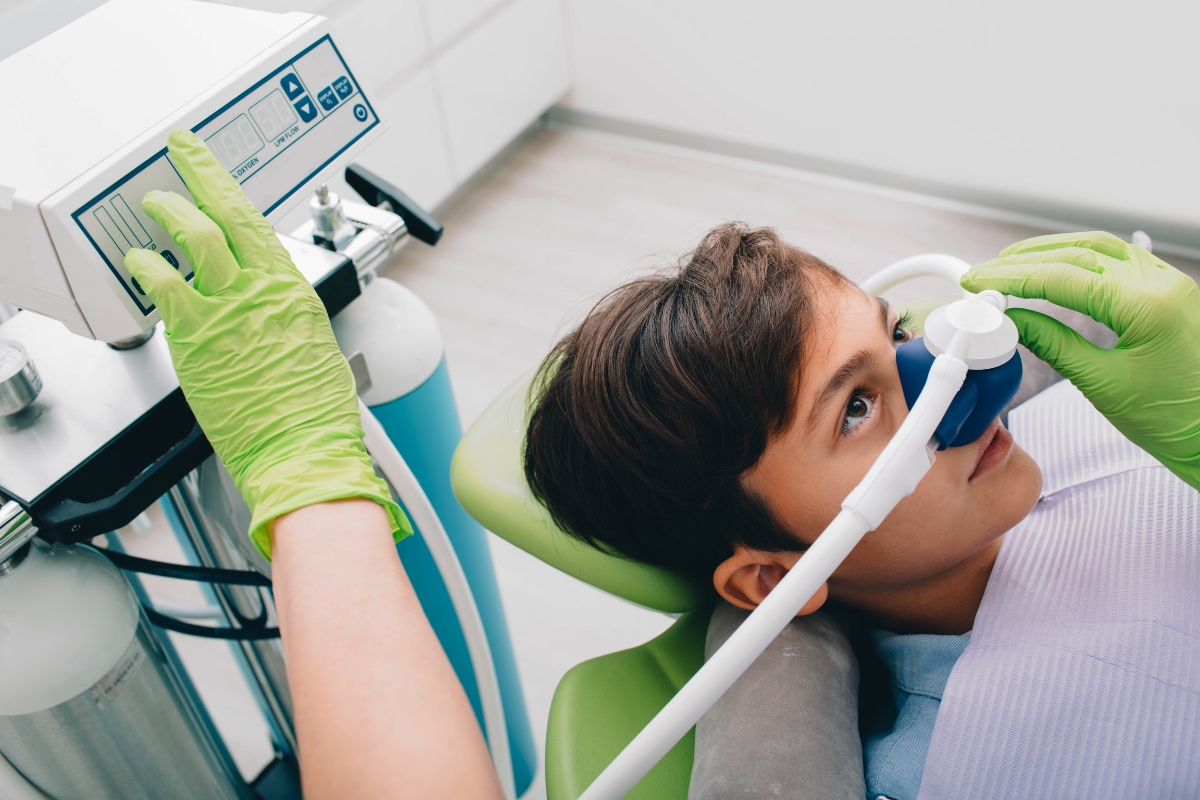
Nitrous oxide is a mild sedative inhaled through a mask placed over the child’s nose. It induces a state of relaxation and euphoria, reducing anxiety levels. The effects wear off quickly, allowing the child to resume regular activities after the appointment.
Oral Sedation
Oral sedation involves administering medication in the form of a pill or liquid. The child remains awake but feels drowsy and calm. The dosage is carefully calculated based on the child’s age, weight, and dental procedure.
Intravenous (IV) Sedation
IV sedation delivers medication directly into the bloodstream, producing a deeper state of relaxation. Although the child may not remember the procedure, they are not unconscious. Close monitoring is necessary during IV sedation.
General Anesthesia
For complex procedures or extremely anxious children, general anesthesia may be employed. This renders the child completely unconscious, and they will have no memory of the procedure. General anesthesia is administered in a hospital or surgical center, with specialized monitoring.
Safety Measures And Precautions
Ensuring the safety of children is paramount in sedation dentistry. Dentists who provide sedation must undergo specialized training and follow strict protocols. Before administering any sedative, a comprehensive medical history is obtained to rule out any potential contraindications or allergies. Additionally, vital signs are continuously monitored during the procedure.
The Bottom Line
Sedation dentistry is vital in making dental visits easier and less intimidating for kids. Reducing anxiety, enhancing cooperation, and ensuring effective treatments promote positive oral health experiences. However, consulting with a qualified pediatric dentist is essential to determine the most suitable sedation method for each child. With proper precautions and professional guidance, sedation dentistry can be valuable in maintaining children’s oral health and ensuring their smiles stay bright and healthy.