


Understanding Baby Bottle Tooth Decay (BBD)
A. What is BBD?
Baby bottle tooth decay (BBD), also known as early childhood caries, is a common dental problem affecting infants and toddlers. It causes cavities and tooth decay in young children, primarily affecting the upper front teeth. While baby teeth are temporary, maintaining their health is crucial for proper chewing, and speech development, and creating space for permanent teeth to erupt properly.
Symptoms of BBD:
- White spots or brown discoloration on teeth
- Sensitivity to hot or cold drinks
- Irritability or difficulty sleeping due to pain
- Visible cavities or holes in teeth
B. Causes of BBD:
Several factors contribute to the development of BBD:
- Frequent sugar exposure in bottles: When sugary liquids like juice, formula, or even breast milk pool around teeth for extended periods, bacteria in the mouth feed on the sugar and produce acid. This acid erodes tooth enamel, leading to cavities.
- Saliva flow & nighttime feeding: Saliva naturally helps wash away sugar and neutralize acid. However, saliva flow decreases during sleep, leaving teeth vulnerable to acid attacks during nighttime bottle feeding.
- Poor oral hygiene habits: Not cleaning a baby’s gums or teeth properly allows bacteria to build up and contribute to decay.
- Sharing utensils with baby: Sharing spoons or other utensils with a baby can transfer cavity-causing bacteria from your mouth to theirs.
C. Risk factors for BBD:
Certain factors can increase a child’s risk of developing BBD:
- Family history of cavities: Children with parents or siblings who have had cavities are more likely to develop them themselves.
- Medication use affecting saliva: Some medications can decrease saliva production, increasing the risk of cavities.
- Premature birth/low birth weight: Premature babies or those with low birth weight may have weaker tooth enamel, making them more susceptible to decay.
Preventing BBD: Smart Bottle Feeding Habits
Developing healthy bottle-feeding habits is crucial in preventing baby bottle tooth decay. Here are some key strategies:
A. Contents in the Bottle:
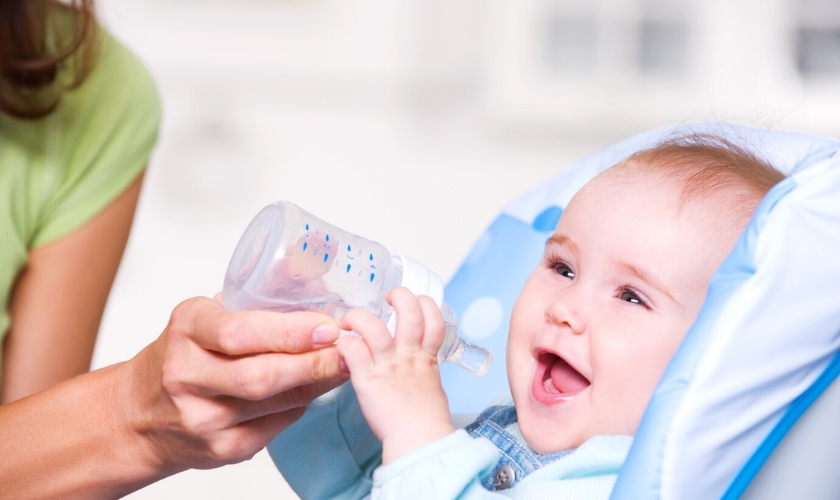
- Only breast milk, formula, or plain water: These are the only liquids that should be offered in a bottle. Avoid sugary drinks like juice, soda, or sweetened water, as they significantly increase the risk of cavities.
- Avoid sugary drinks: Even diluted juice should be limited and offered only in a sippy cup, not a bottle. If juice is used, choose 100% juice and dilute it significantly with water.
- Diluting juice (if used, minimal amounts): If you occasionally offer diluted juice in a sippy cup, ensure it’s highly diluted (mostly water) and only given at mealtimes, not throughout the day.
B. Bottle Feeding Frequency & Duration:
- On-demand feeding vs. scheduled feeding: Both on-demand and scheduled feeding can be practiced, but it’s crucial to avoid prolonged bottle feeding sessions.
- Limiting nighttime bottle use: If possible, avoid offering bottles at night after bedtime. If nighttime feeding is necessary, offer water only.
- Finishing bottles before naps/bedtime: Encourage your baby to finish their bottle before falling asleep to prevent prolonged sugar exposure on teeth.
C. Cleaning Bottles and Utensils Properly:
- Sterilization methods (for newborns): For newborns, sterilize bottles and utensils according to recommended guidelines. This helps prevent the spread of germs and bacteria.
- Washing bottles and utensils after each use: After each feeding, thoroughly wash bottles and utensils with warm, soapy water. Rinse them well and allow them to air dry completely.
Early Oral Hygiene for Babies
Establishing good oral hygiene habits early on is essential for preventing BBD and promoting overall oral health.
A. Cleaning Gums Before Teeth Erupt:
Even before teeth erupt, it’s important to clean your baby’s gums to remove bacteria and prevent its buildup.
- Using a damp washcloth or gauze pad: Gently wipe your baby’s gums after each feeding using a clean, damp washcloth or gauze pad. This helps remove milk residue and prevent the growth of bacteria.
- Wiping gums after each feeding: Make cleaning your baby’s gums a part of your regular feeding routine. This simple practice can significantly contribute to their oral health.
B. Brushing Once Teeth Emerge:
Once your baby’s first tooth erupts, it’s time to introduce gentle brushing:
- Choosing a soft-bristled infant toothbrush: Select a soft-bristled infant toothbrush specifically designed for small mouths and delicate gums.
- Using a tiny amount of fluoride toothpaste (grain of rice size): Use a tiny amount of fluoride toothpaste, no larger than a grain of rice, until your child is three years old. Consult your pediatrician for guidance on fluoride toothpaste usage.
- Brushing technique for infants: Gently brush your baby’s teeth in a circular motion, focusing on all surfaces of the erupted tooth. You can brush twice a day, but once a day is sufficient at this stage.
C. The Importance of Fluoride:
Fluoride plays a vital role in strengthening tooth enamel and preventing cavities.
- Benefits of fluoride for baby teeth: Fluoride helps strengthen developing baby teeth and makes them more resistant to decay.
- Discussing fluoride supplementation with pediatrician: Discuss the need for supplemental fluoride drops or tablets with your Spanaway pediatric dentist, especially if your child doesn’t drink fluoridated tap water.
- Fluoridated tap water and toothpaste: If you have access to fluoridated tap water, it can be a good source of fluoride for your child. However, consult your pediatrician before introducing fluoridated water before 6 months of age.
Weaning from the Bottle
Transitioning your child from a bottle to a cup is a crucial step in preventing BBD and promoting oral development.
A. Signs Baby is Ready to Transition:
Look for these signs that your baby might be ready to transition from a bottle:
- Developmental milestones (sitting, hand-eye coordination): As your baby develops better sitting and hand-eye coordination skills, they become more capable of using a cup.
- Interest in cups: If your baby shows curiosity or interest in using cups, it could be a sign they’re ready to start practicing.
B. Strategies for Successful Weaning:
Here are some tips for a smooth and successful transition from bottle to cup:
- Introduce sippy cups early (around 6 months): Introduce sippy cups as early as 6 months alongside the bottle to allow your baby to get familiar with them.
- Let baby practice using a cup with water: Start by offering water in a sippy cup and let your baby practice holding and drinking from it. Be patient and allow them to learn at their own pace.
- Offer choices with different cup styles: Provide your baby with various sippy cup styles and materials to see which they prefer. Experiment with different spout designs and handles to find one they feel comfortable with.
- Be patient and positive during transitions: Weaning can take time and patience. Encourage your baby’s efforts, celebrate their progress, and avoid getting frustrated.
C. Alternatives to Bottles for Comfort Sucking:
If your baby relies on sucking for comfort, offer alternatives to bottles:
- Pacifiers (choose appropriate size and avoid sugar): Choose a pacifier specifically designed for infants and avoid dipping it in sugary substances.
- Teethers: Teethers can provide a safe and satisfying way for your baby to soothe their gums during teething discomfort.
Additional Tips for Preventing BBD:
Here are some additional practices that contribute to preventing baby bottle tooth decay:
A. Regular Dental Checkups:
- First visit by age 1 or within 6 months of first tooth: Schedule your child’s first dental visit by their first birthday or within 6 months of their first tooth erupting.
- Importance of early dental exams: Early dental exams allow dentists to identify potential issues early on and provide guidance on proper oral hygiene practices for your child.
B. Diet and Nutrition for Healthy Teeth:
- Limiting sugary snacks and drinks: Limit sugary snacks and drinks throughout the day, not just during bottle feeding. Opt for healthy alternatives like fruits, vegetables, and unsweetened yogurt.
- Offering healthy alternatives (fruits, vegetables): Encourage healthy eating habits by offering your child a variety of nutritious foods like fruits and vegetables, which are essential for their overall development and oral health.
C. Avoiding Sharing Saliva with Baby:
- Cleaning utensils before feeding: Before feeding your baby, ensure all utensils (spoons, etc.) are thoroughly cleaned to prevent transferring cavity-causing bacteria from your mouth to theirs.
- Avoiding pre-chewing food for baby: Avoid pre-chewing food for your baby, as this can transfer harmful bacteria from your mouth to theirs and increase their risk of cavities.
By following these tips and consulting your pediatrician and dentist in Spanaway regularly, you can help your child develop healthy oral hygiene habits and prevent baby bottle tooth decay, ensuring a healthy and beautiful smile for years to come.
Take Away
Baby bottle tooth decay is preventable with proper care and attention. Remember:
- Early intervention is key: Implementing good oral hygiene habits early on, even before teeth erupt, lays the foundation for a lifetime of healthy teeth.
- Consistency is crucial: Consistent cleaning routines, healthy feeding habits, and regular dental checkups are essential for optimal oral health.
- Seek professional guidance: Don’t hesitate to consult your pediatric dentist in Spanaway if you have any concerns about your child’s oral health or development.
By prioritizing your child’s oral health and following these recommendations, you can help them maintain a healthy and beautiful smile throughout their childhood and beyond.