


What to Expect After Your Child’s Knocked-Out Tooth Treatment
A knocked-out tooth is one of the scariest dental emergencies a parent can face. Once your child receives care at Spanaway Children’s Dentistry, the recovery process begins. Knowing what to expect after your child’s knocked-out tooth treatment in Spanaway helps you stay calm and confident at home. Dr. Lucas Trerice and our team want every family to feel prepared and supported every step of the way.
Understanding What Happened During Treatment
When a child knocks out a tooth, the treatment depends on whether it was a baby tooth or a permanent tooth. Baby teeth are generally not replanted, since doing so can damage the developing adult tooth underneath. Permanent teeth, however, are often replanted and stabilized with a temporary splint.
Dr. Trerice will thoroughly examine the area and may take X-rays to check for root or bone damage. If the tooth was replanted, a dental splint holds it in place while the surrounding tissue heals. In some cases, Root Canal Therapy For Children Spanaway may be necessary to protect the tooth’s long-term health.
Understanding what was done helps you recognize what is normal during recovery. It also helps you spot anything that may need a follow-up call to our office.
What to Expect After Your Child’s Knocked-Out Tooth Treatment in Spanaway: The First 48 Hours
The first two days after treatment are the most important for healing. Your child’s mouth will likely feel sore and sensitive in the treatment area. Some swelling and mild bruising around the gums is completely normal.
Here is what you should monitor during the first 48 hours:
- Mild to moderate swelling around the affected area
- Slight bleeding or pink-tinged saliva
- Tenderness when touching the gum or nearby teeth
- Sensitivity to hot and cold foods or drinks
- Low-grade discomfort when your child opens their mouth wide
These symptoms are expected and should gradually improve. If swelling gets significantly worse after 48 hours, contact our office right away.
Eating, Drinking, and Daily Habits During Recovery
What your child eats during recovery matters a great deal. Soft foods reduce pressure on the healing area and help prevent irritation. Dr. Trerice recommends keeping your child on a soft-food diet for at least one to two weeks after treatment.
Great soft food choices for recovering children include:
- Yogurt and smoothies without seeds or chunks
- Mashed potatoes, soft cooked pasta, and oatmeal
- Scrambled eggs and soft tofu
- Ripe bananas, applesauce, and soft-cooked vegetables
- Pudding, gelatin, and chilled soups
Avoid hard, crunchy, or chewy foods entirely. Sticky foods like caramel or gummies can dislodge a splint or damage healing tissue. Keep your child away from straws if there was any surgical component to the treatment.
Hydration is important for healing. Encourage your child to drink plenty of water throughout the day. Avoid very hot drinks, which can irritate the sensitive gum tissue around the treated area.
Managing Pain and Discomfort at Home
Most children experience manageable discomfort after a knocked-out tooth treatment. Dr. Trerice will provide specific guidance for your child’s situation before you leave our Spanaway office. Always follow those instructions first.
General tips for managing discomfort at home include:
- Give age-appropriate over-the-counter pain relievers as directed by Dr. Trerice
- Apply a cold compress to the outside of the cheek for 10 minutes at a time
- Keep your child’s head slightly elevated during sleep to reduce swelling
- Remind your child not to touch the treated area with their tongue or fingers
- Offer cold, soft foods like chilled yogurt for natural soothing relief
Pain should decrease steadily over several days. If your child’s discomfort is increasing rather than improving, that is a sign to call our office.
Keeping your child’s routine as calm as possible also aids recovery. Avoid rough play, contact sports, or anything that risks bumping their mouth during the healing period.
Oral Hygiene After Treatment
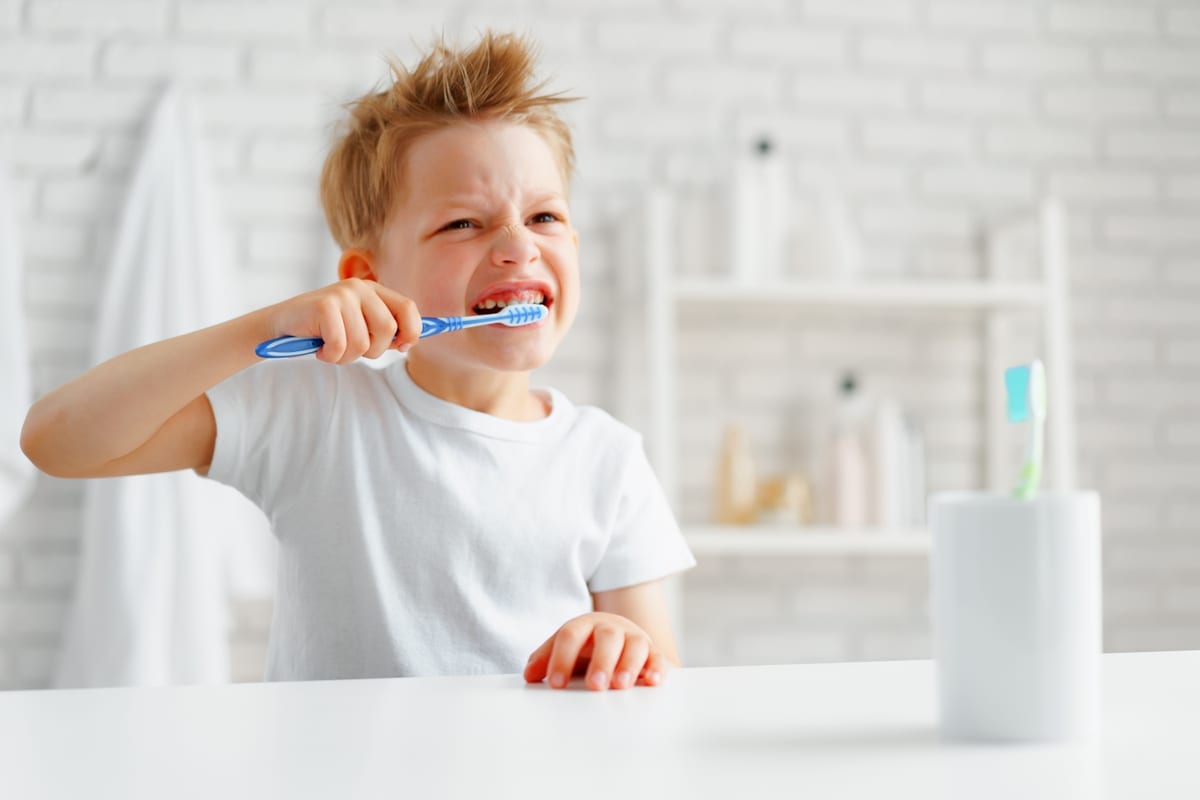
Keeping the mouth clean is essential after a dental emergency. However, you will need to be gentle around the treated area. Brush the rest of your child’s teeth normally to prevent bacteria buildup.
Use a soft-bristled toothbrush and avoid scrubbing near the splint or healing gum tissue. Dr. Trerice may recommend a gentle saltwater rinse to keep the area clean. Simply mix a quarter teaspoon of salt into eight ounces of warm water and have your child swish and spit carefully.
Do not skip brushing entirely, even if your child is uncomfortable. A clean mouth heals faster and reduces the risk of infection. If your child finds brushing painful, ask our team about the best approach for their specific situation.
Follow-Up Visits and Long-Term Monitoring
Recovery from a knocked-out tooth does not end when you leave our office. Follow-up appointments are a critical part of ensuring the tooth and surrounding tissue heal correctly. Dr. Trerice will schedule these visits to monitor progress and remove any splint once healing is sufficient.
Long-term monitoring is especially important for permanent teeth that have been replanted. In some cases, the root can resorb over time. Regular check-ups allow Dr. Trerice to catch any complications early and adjust the treatment plan as needed.
If alignment issues develop as your child grows, early evaluation is always helpful. Our team can discuss options, including a referral for Orthodontic Treatment Spanaway, if your child’s bite or spacing needs correction after the injury.
When to Call Spanaway Children’s Dentistry Right Away
Some symptoms after treatment require prompt attention. Do not wait for a scheduled follow-up if you notice any of the following warning signs.
- Severe or worsening pain that does not respond to medication
- Significant swelling spreading to the cheek, jaw, or neck
- Fever above 101°F combined with mouth pain
- The splint feels loose, shifted, or has fallen out
- Pus, unusual discharge, or a bad smell near the treated area
- Your child cannot open or close their mouth comfortably
These signs may indicate infection or a complication that needs immediate care. Reaching out quickly gives Dr. Trerice the best opportunity to address any problem before it worsens.
Parents in Spanaway can always call our office with questions, even if the concern seems minor. We would always rather hear from you and offer reassurance than have a parent worry alone at home.
Conclusion: Your Child’s Recovery Is Our Priority
Recovering from a knocked-out tooth is a journey, but your child does not have to go through it without guidance. Dr. Lucas Trerice and the entire team at Spanaway Children’s Dentistry are here to support your family every step of the way. From the first emergency visit to the final follow-up, we are committed to your child’s comfort and long-term oral health. Book Now to schedule your appointment with our team.
Frequently Asked Questions
How long does it take for a child to recover from a knocked-out tooth treatment?
Recovery time depends on the type of injury and treatment performed. Most children feel noticeably better within three to five days. If a permanent tooth was replanted and splinted, full healing of the surrounding tissue may take several weeks. Dr. Trerice will provide a personalized recovery timeline based on your child’s specific situation.
Can my child go back to school the day after treatment?
Many children can return to school the next day if they feel up to it and their pain is managed. However, they should avoid physical education, recess activities involving contact, and anything that risks bumping their mouth. Talk to Dr. Trerice about when your child can safely return to full activity.
What should I do if the dental splint comes loose at home?
Call Spanaway Children’s Dentistry immediately if the splint feels loose or falls out. Do not try to reattach it yourself. The splint holds the tooth in proper position while the tissue heals, so a loose splint needs prompt professional attention to protect your child’s outcome.
Is it normal for the tooth to feel different after being replanted?
Yes, a replanted tooth may feel slightly different or more sensitive than surrounding teeth. Some discoloration of the tooth can also occur over time. Dr. Trerice will monitor the tooth at follow-up visits to assess its health. Any significant changes in sensation, color, or movement should be reported to our office promptly.
Does my child need a root canal after a knocked-out permanent tooth?
Not always, but root canal therapy is often recommended for replanted permanent teeth in older children. The nerve inside the tooth may not survive the trauma of being knocked out. Dr. Trerice will evaluate the tooth during follow-up visits and discuss whether root canal therapy is the right step for your child’s long-term dental health.