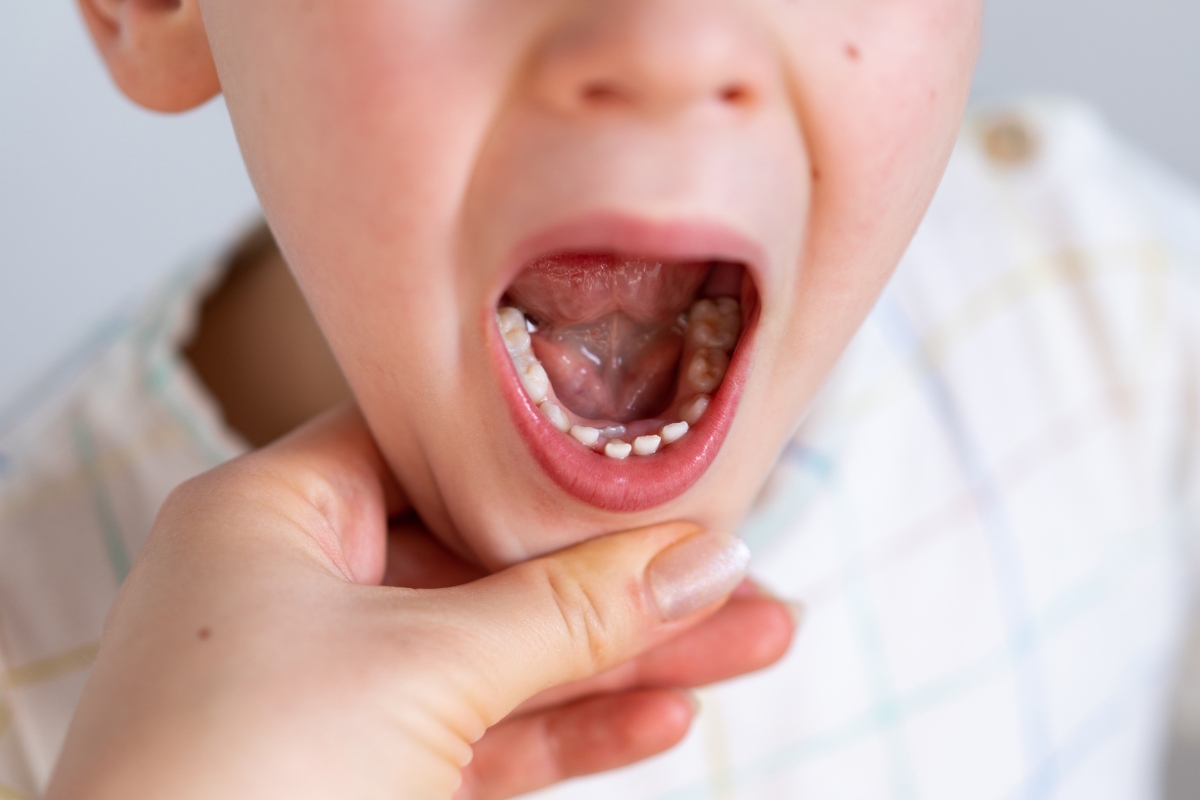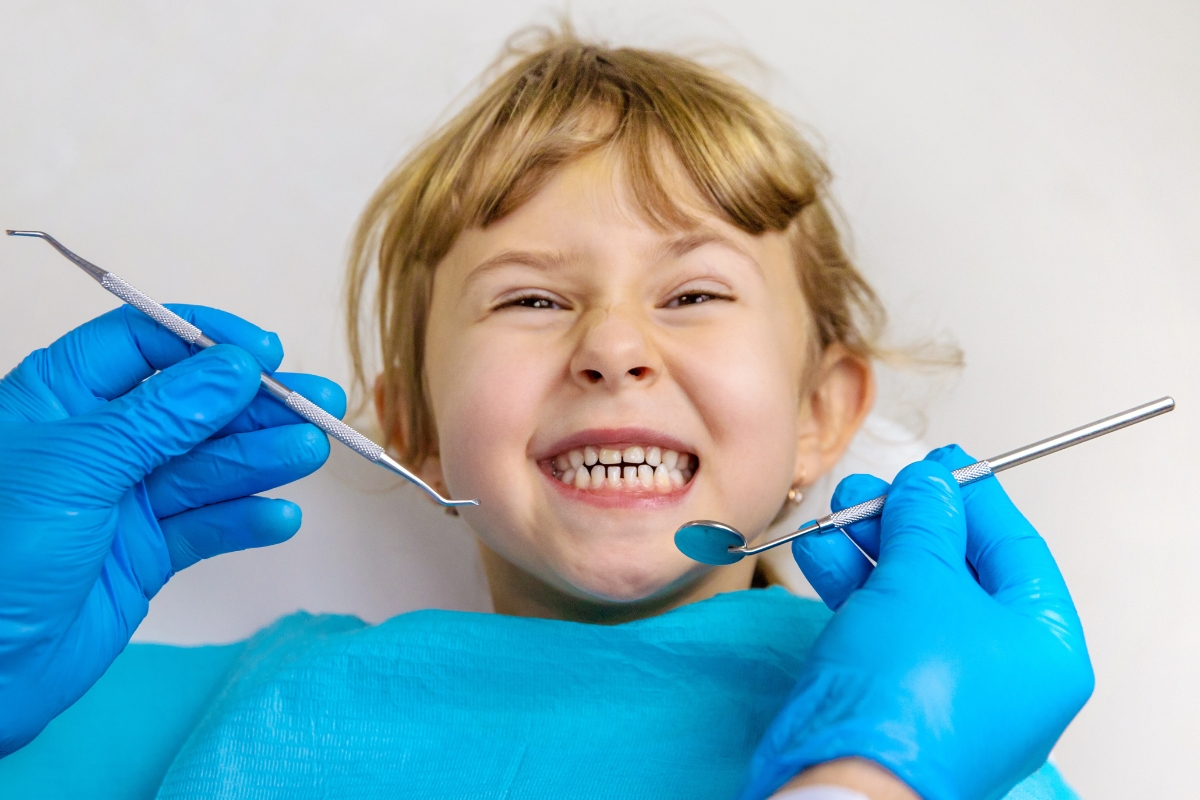



Why Does My Child Keep Getting Cavities Despite Brushing Daily?
Brushing your child’s teeth every day is an important step toward maintaining a healthy smile. However, some parents notice their children keep developing cavities despite a regular brushing routine. This can feel confusing, especially when children seem to practice proper oral hygiene. Tooth decay involves more than brushing habits. Diet, enamel strength, oral bacteria, and even meal timing can influence a child’s dental health.
At Spanaway Children’s Dentistry, Dr. Atabakhsh helps families understand the factors contributing to recurring tooth decay and the importance of early prevention. Parents often focus on how frequently their children brush without noticing other habits that increase their risk.
Understanding these hidden causes can help families make meaningful changes. Consulting our pediatric dentist in Spanaway can also help identify problems that regular brushing alone cannot prevent.
Why Daily Brushing May Not Be Enough
Brushing removes plaque, food particles, and harmful bacteria from tooth surfaces. However, brushing does not eliminate every factor responsible for cavities.
According to the Centers for Disease Control and Prevention (CDC), more than half of children aged 6 to 8 have had decay in at least one baby tooth.
Tooth decay develops when bacteria in dental plaque consume sugars and produce acids. These acids gradually remove minerals from tooth enamel. Repeated acid exposure can eventually create permanent damage.
Even children who brush regularly may develop dental problems when their daily habits repeatedly expose their teeth to these acids.
Common Reasons Children Develop Recurring Tooth Decay
Several factors can contribute to cavities in children who brush daily. Understanding these causes can help parents identify habits that need attention.
Brushing Technique Misses Important Areas
Children often brush their front teeth carefully but overlook their back molars. These teeth contain narrow grooves that collect plaque and food particles.
Common brushing mistakes include:
- Brushing for less than two minutes.
- Missing the gumline and inner tooth surfaces.
- Using a toothbrush with worn bristles.
- Applying too much pressure instead of gentle movements.
- Brushing without parental supervision.
Parents should help younger children brush and continue supervising until they can clean every tooth thoroughly.
Frequent Snacking Increases Acid Exposure
Eating habits play an important role in childhood tooth decay.
Every time children consume sugary or starchy foods, oral bacteria produce acids. Frequent snacking gives teeth less time to recover between these acid attacks.
Common examples include:
- Sticky candies and fruit snacks.
- Crackers, cookies, and sweetened cereals.
- Juice boxes and flavored milk.
- Sports drinks and sweetened beverages.
- Frequent grazing between regular meals.
The American Dental Association recommends reducing sugary snacks to lower the risk of dental decay.
Encourage balanced meals, planned snacks, and plain water between meals.
Insufficient Fluoride Weakens Enamel Protection
Fluoride helps strengthen tooth enamel and supports the replacement of minerals lost during early acid exposure.
Children who use fluoride-free toothpaste may miss an important protective benefit.
The American Academy of Pediatric Dentistry recommends fluoride toothpaste twice daily to reduce cavities.
Parents should follow age-appropriate toothpaste recommendations:
- Under age 3: Use a rice-grain-sized smear.
- Ages 3 to 6: Use a pea-sized amount.
- Older children: Use an age-appropriate amount and supervise brushing as needed.
Professional fluoride applications may provide extra protection for children at higher risk of decay.
Plaque Builds Up Between Teeth
A toothbrush cannot effectively clean every narrow space between neighboring teeth.
When adjacent teeth touch, plaque can accumulate between them, allowing decay to develop in areas parents cannot easily see.
Daily flossing helps remove this buildup. Parents can use child-friendly floss picks when traditional dental floss feels difficult to handle.
Enamel Development Affects Tooth Strength
Some children naturally have areas of thinner or poorly mineralized enamel.
Enamel defects can develop due to disturbances during tooth formation. These areas may appear white, yellow, or brown and may be more vulnerable to damage.
Deep grooves in molars can also trap food and bacteria, making cleaning difficult.
Our pediatric dentist in Spanaway can evaluate enamel development and recommend preventive measures based on the child’s individual risk.
Nighttime Feeding Creates Additional Risks
Saliva naturally helps neutralize acids and protect tooth enamel. However, saliva production decreases during sleep.
When children fall asleep with milk, juice, or other sugary liquids coating their teeth, the prolonged exposure can increase decay risk.
For infants and toddlers, avoid putting children to bed with bottles containing anything other than water.
After nighttime brushing, encourage water instead of sweetened drinks.
Warning Signs Parents Should Never Ignore
Early cavities may not cause pain, so routine dental exams are especially important.
Parents should watch for:
- Chalky white spots near the gumline.
- Brown or dark areas on tooth surfaces.
- Sensitivity to cold foods or sweet drinks.
- Food repeatedly getting trapped between teeth.
- Persistent tooth discomfort or visible holes.
White spots can indicate early enamel mineral loss, which may be managed before a permanent hole develops.
However, visible changes do not always indicate decay. A dental examination helps determine the actual cause.
Persistent pain, facial swelling, or fever associated with a dental problem requires prompt professional attention.
How Preventive Dental Care Protects Children’s Teeth
When tooth decay continues despite home care, a professional assessment can identify contributing factors.
Parents can visit our dental office to discuss their child’s brushing routine, eating habits, and preventive dental needs.
A pediatric dentist may recommend several protective measures.
Professional Dental Cleanings and Examinations
Routine dental checkups help identify plaque buildup, early enamel changes, and areas that need additional attention.
Professional cleanings remove hardened deposits that regular brushing cannot eliminate.
Fluoride Treatments for Enamel Protection
Fluoride varnish strengthens enamel and can help slow or reverse early mineral loss before a cavity forms.
The CDC reports that fluoride varnish can prevent approximately one-third of decay in primary teeth.
Dental Sealants for Back Molars
Dental sealants provide a thin protective coating over the chewing surfaces of molars.
They help block bacteria and food from entering deep grooves where brushing may be less effective.
Individual Dental Risk Assessments
A dental risk assessment considers previous decay, dietary habits, fluoride exposure, enamel condition, and oral hygiene.
These findings help determine whether a child needs additional preventive treatments or more frequent examinations.
Simple Daily Changes That Support Healthier Teeth
Preventing cavities requires consistent home habits alongside professional preventive care.
Parents can strengthen their child’s oral hygiene routine by following these recommendations:
- Encourage brushing twice daily for two minutes.
- Use the recommended amount of fluoride toothpaste.
- Help children floss once neighboring teeth touch.
- Limit frequent sugary snacks and beverages.
- Encourage water throughout the day.
- Schedule dental examinations at intervals recommended for the child’s risk level.
- Replace toothbrushes every three to four months, or sooner if the bristles wear.
These changes can reduce repeated acid exposure while supporting stronger enamel and healthier oral development.
Protect Your Child’s Smile With Preventive Care
Daily brushing matters, but protecting growing teeth requires attention to nutrition, brushing technique, fluoride exposure, and regular dental examinations. Identifying the underlying causes of recurring decay can help parents reduce future dental problems.
At Spanaway Children’s Dentistry in Spanaway, Dr. Atabakhsh provides preventive dental care to support children’s developing smiles. Families seeking a trusted pediatric dentist in Spanaway can explore professional cleanings, fluoride treatments, dental sealants, and regular examinations.
Our dental office is located in Spanaway and serves families from Puyallup, Yelm, South Hill, Tacoma, Lakewood, Graham, and Eatonville.
Book an appointment and learn how preventive dental care can help protect your child’s teeth.
Explore our preventive dental care services to learn more about available treatments.
Frequently Asked Questions
Why Does My Child Get Tooth Decay Despite Brushing Twice Daily?
Brushing alone cannot address every cause of tooth decay. Frequent sugar consumption, inadequate flossing, enamel defects, and insufficient fluoride may contribute. A preventive dental examination can identify contributing factors and help parents improve their child’s oral care routine.
Can Children Develop Cavities Without Eating Much Sugar?
Yes. Starchy foods, frequent snacking, plaque accumulation, and enamel weaknesses can contribute to decay. Even children who rarely eat candy may develop dental problems. Regular preventive checkups help identify these risks before significant damage occurs.
How Often Should Children Receive Professional Dental Cleanings?
Many children benefit from dental examinations and cleanings every six months. However, children at higher risk of decay may need more frequent visits. Our dental professional can recommend an appropriate schedule after evaluating their oral health.
Are Dental Sealants Necessary for Children Who Brush Regularly?
Dental sealants can provide additional protection for molars with deep grooves. These areas may retain plaque despite careful brushing. A preventive dental evaluation can determine whether sealants would benefit your child’s developing teeth.
Can Early Tooth Decay Be Reversed Without Fillings?
Early enamel mineral loss may be reversed through fluoride treatment and improved oral hygiene. However, once a permanent hole develops, restorative treatment is generally necessary. Early dental exams help distinguish reversible enamel changes from damage that requires treatment.
When Should Parents Seek Dental Care for Repeated Tooth Decay?
Schedule an exam if new areas of decay keep appearing despite consistent brushing and flossing. Our pediatric dentist can assess dietary habits, enamel strength, fluoride exposure, and brushing technique. Early preventive care can help reduce future dental complications.