


Sedation Dentistry For Children: Easing Anxiety With Safe Procedures
Dental anxiety is a common issue among both children and adults. However, for children, the fear of dental procedures can be particularly challenging to overcome. To address this concern, many dental professionals are turning to sedation dentistry for children, a safe and effective approach that helps create a more comfortable and stress-free dental experience. In this blog post, we’ll explore what sedation dentistry for children entails, its benefits, potential options, and safety measures.
Understanding Sedation Dentistry For Children
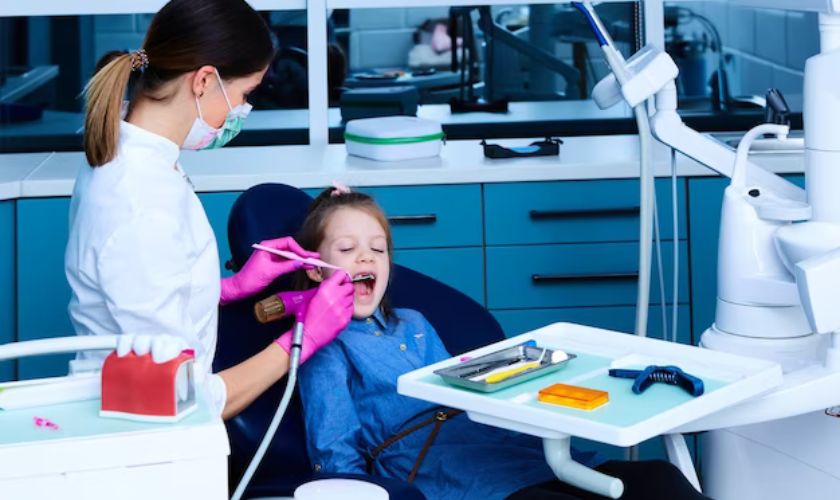
Sedation dentistry involves the use of medications to help patients, including children, relax during dental procedures. For kids who may have dental anxiety or special needs or require extensive dental work, sedation can make the process smoother and less intimidating.
Benefits Of Sedation Dentistry For Children
Sedation dentistry gives some benefits for children. Let’s see below about this:
- Reduced Anxiety: Sedation helps alleviate the fear and anxiety that children might associate with dental visits, allowing them to receive necessary treatments without the stress.
- Cooperation: Children who are too young or too anxious to sit still during a procedure can benefit from sedation as it promotes better cooperation and minimises movement.
- Pain Management: Sedation ensures that children do not experience discomfort or pain during dental procedures, contributing to a more positive and painless experience.
- Efficiency: With children relaxed and cooperative, dentists can complete treatments more efficiently, reducing the number of visits and the overall time spent in the dental chair.
- Prevention: By enabling necessary treatments, sedation dentistry helps prevent dental issues from worsening, thus safeguarding children’s oral health in the long run.
Types Of Sedation Dentistry For Children:
There are various kinds of Sedation dentistry for children, let’s see below:
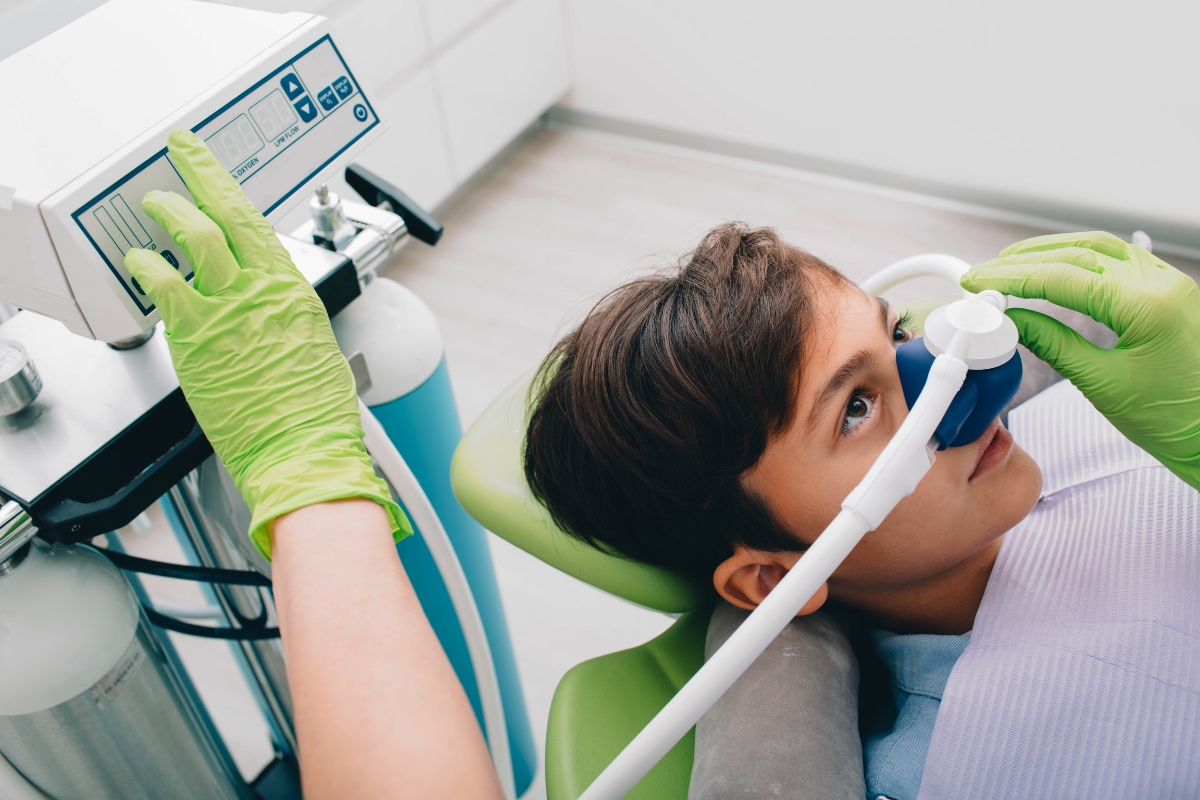
- Nitrous Oxide (Laughing Gas): This is one of the mildest forms of sedation, inhaled through a mask. It induces a sense of relaxation, reduces anxiety, and wears off quickly after the procedure.
- Oral Sedation: Administered in the form of a liquid or pill, oral sedation helps children remain calm and relaxed during the procedure. The child may become drowsy but will still be conscious.
- Intravenous (IV) Sedation: In this method, a sedative is administered through a vein, inducing a deeper state of relaxation. This type of sedation is often used for more complex procedures.
- General Anesthesia: Typically used for extensive dental work or when a child cannot cooperate due to their age or special needs, general anaesthesia puts the child into a deep sleep, allowing the dentist to complete the procedure while the child is unconscious.
Ensuring Safety After The Sedation Treatment For Children:
Safety is a top priority when it comes to sedation dentistry for children. Dental professionals, including dentists and anesthesiologists, are specially trained to administer sedation and closely monitor the child’s vital signs throughout the procedure. Prior to the sedation, a thorough medical history is taken to ensure that the child is a suitable candidate for sedation.
Preparing For Sedation Dentistry:
Parents play a crucial role in preparing their child for a sedation dental procedure. Here are a few steps to consider:
- Open Communication: Explain the procedure to your child using age-appropriate language to reduce anxiety.
- Follow Pre-Procedure Guidelines: Follow any guidelines provided by the dental office regarding eating and drinking before the procedure.
- Comfort Items: Allow your child to bring comfort items such as a favourite toy or blanket to help them feel at ease.
- Post-Procedure Care: Ensure you understand post-procedure care instructions, especially if the sedation method used takes time to wear off.
Conclusion
Sedation dentistry for children offers a practical solution for addressing dental anxiety and facilitating necessary dental treatments. With various safe sedation options available, parents can work closely with their dental professionals to ensure a positive and stress-free dental experience for their children. By choosing sedation dentistry, parents are making an investment in their child’s oral health and overall well-being.