

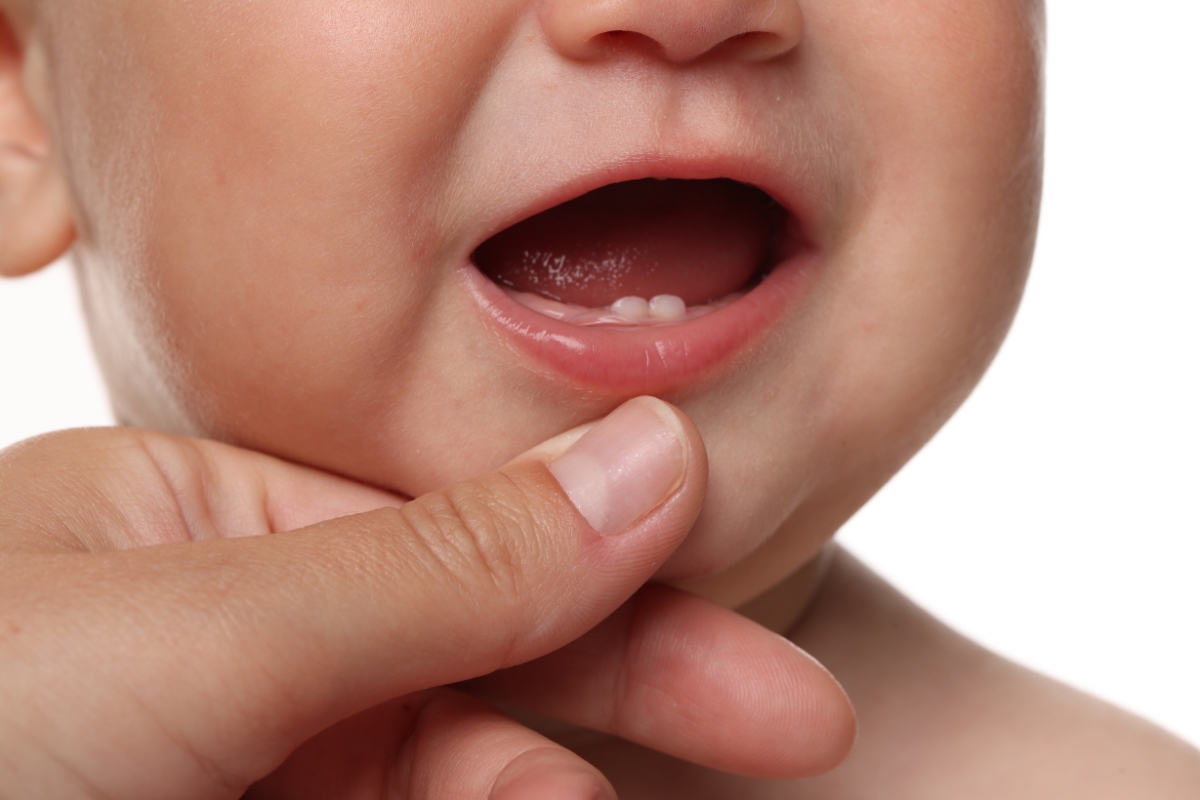
What to Expect When Your Baby Starts Teething: Relief & Care
If you are a new parent in Spanaway, teething can feel overwhelming. Knowing what to expect when your baby starts teething — and how to provide real relief and care — makes all the difference. At Spanaway Children’s Dentistry, Dr. Lucas Trerice helps local families navigate every stage of their child’s dental development. This guide covers teething timelines, symptom management, feeding tips, and when to reach out to our team.
Understanding the Teething Timeline in Spanaway Babies
Most babies begin teething between four and seven months of age. Every child is different, so do not panic if your baby is slightly outside this window. The bottom front teeth usually arrive first, followed by the upper front teeth.
By age three, most children have a full set of 20 primary teeth. These baby teeth play a critical role in speech development and chewing. They also hold space for permanent teeth that come in later.
Here is a general teething order parents in Spanaway can expect:
- Bottom central incisors — 6 to 10 months
- Upper central incisors — 8 to 12 months
- Upper lateral incisors — 9 to 13 months
- Bottom lateral incisors — 10 to 16 months
- First molars — 13 to 19 months
- Canines — 16 to 23 months
- Second molars — 23 to 33 months
Knowing this timeline helps you anticipate fussy periods. It also helps you recognize when something may be off and worth discussing with Dr. Trerice.
Common Teething Symptoms and What They Mean
Teething causes real discomfort for many babies. Recognizing the symptoms helps you respond quickly and calmly. Some symptoms are normal — others may signal something more serious.
Common teething symptoms include:
- Excessive drooling and chin rash
- Swollen or tender gums
- Increased biting and chewing on objects
- Fussiness and irritability
- Trouble sleeping
- Pulling at ears on the same side as an erupting tooth
- Mild temperature elevation (not a true fever)
Teething does not cause high fever, diarrhea, or significant illness. If your baby has a temperature above 100.4°F, contact your pediatrician. These symptoms point to an infection or virus — not teething.
Dr. Trerice recommends keeping a simple log of your baby’s symptoms. This helps distinguish normal teething discomfort from something that needs medical attention.
Safe Relief and Aftercare Tips for Teething Babies
Once a tooth starts coming through, your baby needs safe, consistent comfort measures. Think of this phase as a short recovery period for their gums. With the right approach, you can ease discomfort significantly.
Here are parent-approved, dentist-recommended relief strategies:
- Chilled teething rings: Refrigerate (do not freeze) a silicone teething ring. Cold reduces inflammation gently.
- Gentle gum massage: Use a clean finger to rub your baby’s gums with light pressure for two minutes.
- Cold washcloth: Dampen and chill a clean washcloth. Let your baby chew on it safely.
- Age-appropriate teethers: Choose BPA-free, one-piece teethers. Avoid liquid-filled rings that can break.
Avoid teething gels containing benzocaine. The FDA warns against using benzocaine on children under two. It can cause a rare but dangerous condition called methemoglobinemia.
If your baby seems truly miserable, speak with Dr. Trerice before giving any over-the-counter pain reliever. He can guide you on appropriate infant-safe options and dosing.
What to Feed a Teething Baby in Spanaway
Eating becomes harder when your baby’s gums are sore and swollen. Adjusting their diet during active teething supports comfort and nutrition. You do not need to overhaul their entire meal plan — just make small, strategic changes.
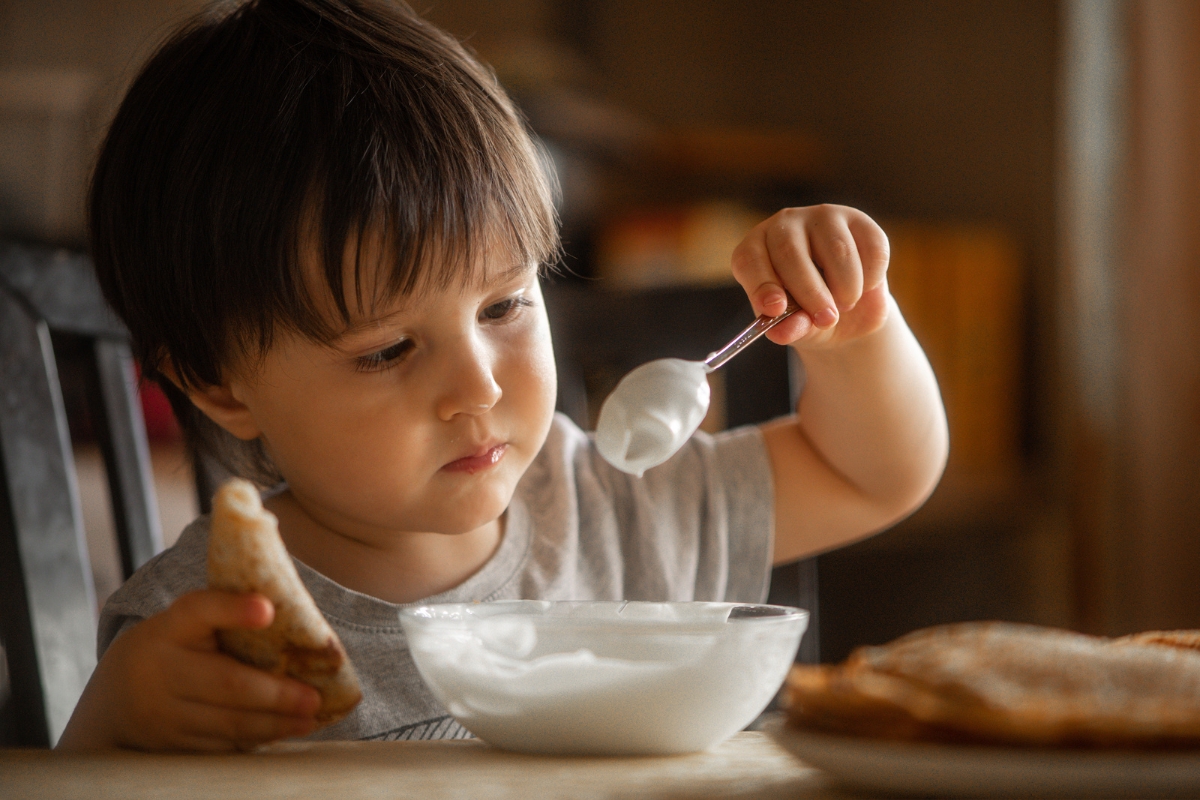
Soft, cool foods work best during this phase. Options like chilled applesauce, yogurt, pureed pears, and cold mashed sweet potatoes are soothing and nutritious. These foods put minimal pressure on tender gum tissue.
Avoid hard, crunchy, or sticky snacks during heavy teething periods. Items like hard crackers or dried fruit can irritate already-inflamed gums. As your child grows older and more teeth come in, you can expand their snack options for stronger teeth and better nutrition.
Once the first teeth appear, start cleaning them gently with a soft infant toothbrush. Use a rice-grain-sized amount of fluoride toothpaste. This builds a healthy oral hygiene habit right from the start.
When to Call Spanaway Children’s Dentistry About Teething Concerns
Most teething discomfort resolves on its own within a few days per tooth. However, certain situations call for professional guidance. Dr. Trerice and the team at Spanaway Children’s Dentistry are here to support your family through every milestone.
Contact our office if you notice any of the following:
- A tooth has not erupted by 18 months
- Teeth appear in an unusual location or angle
- Your baby’s gums look deeply bruised or have a large blister-like bump
- Your child shows signs of tooth decay on newly erupted teeth
- Teething pain seems severe and does not respond to comfort measures
Sometimes a small, bluish bump called an eruption cyst appears before a tooth breaks through. This is usually harmless and resolves on its own. Still, it is always smart to have Dr. Trerice take a look to rule out anything more serious.
We also recommend scheduling your child’s first dental visit by age one — or within six months of their first tooth appearing. Early visits set the foundation for a lifetime of healthy smiles. As your child grows, our team will discuss services like root canal therapy for children if decay ever becomes a concern, and orthodontic treatment in Spanaway when it is time to assess how their teeth and jaw are developing.
Conclusion: Confident Teething Care Starts Here
Teething is a normal — if sometimes stressful — part of your child’s development. With the right information, you can keep your baby comfortable and their new teeth healthy. Dr. Lucas Trerice and the team at Spanaway Children’s Dentistry are proud to serve families right here in Spanaway, WA. Book Now to schedule your appointment with our team.
Frequently Asked Questions
At what age do babies typically start teething?
Most babies begin teething between four and seven months old. Some start a bit earlier and some a bit later — both can be completely normal. If your baby has no teeth by 18 months, schedule a visit with Dr. Trerice to check on their dental development.
Is it normal for my baby to have a low-grade fever during teething?
A very mild temperature elevation can occur with teething, but a true fever above 100.4°F is not caused by teething. If your baby has a high fever, contact your pediatrician right away. It likely signals a separate illness that needs attention.
Are teething gels safe to use on my baby?
Teething gels containing benzocaine are not recommended for children under two. The FDA has issued warnings about the risks associated with benzocaine products in young children. Stick to cold teething rings, gentle gum massage, and dentist-approved comfort measures instead.
When should I schedule my baby’s first dental visit?
The American Academy of Pediatric Dentistry recommends your child’s first dental visit by age one or within six months of their first tooth appearing. Early visits at Spanaway Children’s Dentistry help Dr. Trerice catch any concerns early and guide you on proper oral care at home.
How do I clean my baby’s new teeth?
Once your baby’s first tooth appears, use a soft-bristled infant toothbrush twice daily. Apply a tiny rice-grain-sized amount of fluoride toothpaste. Clean all tooth surfaces gently, and make it a consistent routine from the very start.