



Is Your Child Getting Enough Protection Against Cavities?
Still waiting for your child to complain about a toothache before booking a dental visit? By the time kids feel pain, a cavity has already done some damage. Around Spanaway — whether your family is near Clover Creek or spending weekends at Sprinker Recreation Center — life moves fast. Dental visits are easy to push aside. But cavities don’t wait.
If your child is overdue for a checkup, call us today. A small problem caught early saves a lot of trouble later.
What Makes Kids So Vulnerable to Cavities
Children’s enamel is thinner and softer than adult enamel. Combine that with frequent snacking, sugary drinks, and imperfect brushing — and decay becomes a very real risk.
Cavities are the most common chronic childhood condition in the United States, more prevalent than asthma. That’s exactly why preventive care in Spanaway, WA, is something every parent should prioritize — not just when something looks wrong, but on a consistent, routine basis.
Key risk factors that make kids more cavity-prone:
- Frequent juice, sports drinks, or sugary snacks throughout the day
- Brushing that’s inconsistent or not thorough enough
- Deep grooves in the back molars that trap bacteria
- Sleeping with a bottle containing anything other than water (toddlers)
- Low saliva production, which reduces natural protection
Signs Your Child May Already Have a Cavity
Kids rarely speak up until the discomfort becomes hard to ignore. As a parent, watch for:
- Sensitivity to cold, hot, or sweet foods
- Dark spots or visible holes on teeth
- Occasional or mild toothache complaints
- Avoiding chewing on one side
- Persistent bad breath despite regular brushing
Any of these signs deserves a dental visit — sooner rather than later.
What Professional Preventive Care In Spanaway, WA, Includes
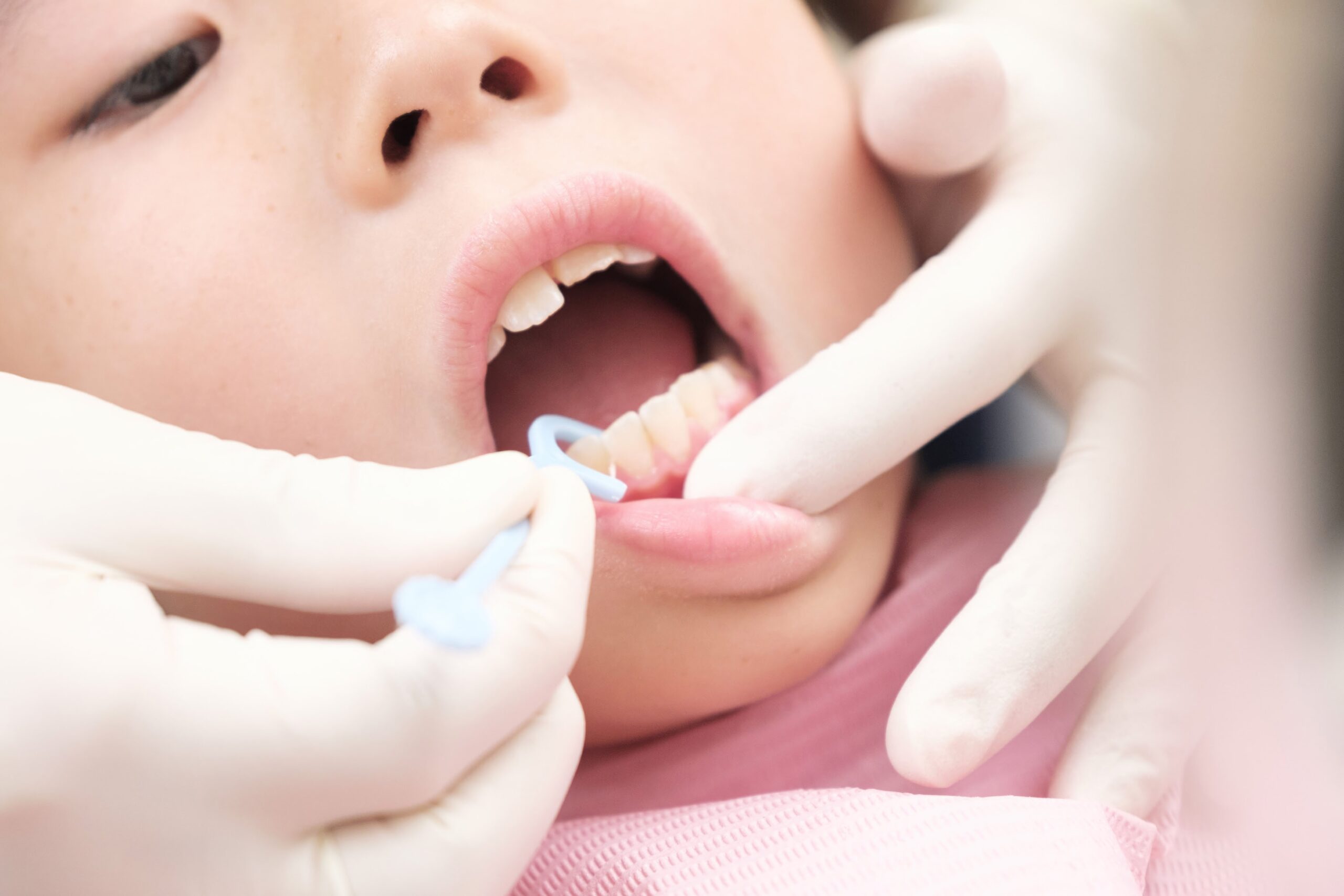
Home brushing is essential, but it only goes so far. Professional dental visits provide protection that no toothbrush or floss can replicate.
- Cleanings: Removes hardened plaque and tartar from areas brushing misses entirely — keeping bacterial buildup under control between visits.
- Fluoride Treatments: Applied directly to tooth surfaces, fluoride strengthens enamel and can reverse the earliest stages of decay before a cavity fully forms.
- Dental Sealants: A thin protective coating applied to the chewing surfaces of back teeth. Research shows that sealants reduce the risk of molar cavities by close to 80%. Painless, quick, and effective for several years.
- X-Rays: Cavities between teeth are completely invisible to the naked eye. Periodic X-rays catch decay early — when treatment is simple and straightforward.
- Parent Guidance: Every visit includes practical advice on brushing technique, diet habits, and what to monitor at home.
Strong Habits at Home Make a Real Difference
Professional care and daily home habits work together. One without the other leaves gaps.
- Brush twice a day for two full minutes — morning and before bed
- Use fluoride toothpaste — pea-sized amount for kids over three
- Floss daily, especially where teeth sit close together
- Replace juice and sugary drinks with water as the everyday option
- Avoid constant snacking — frequent eating keeps acid levels elevated all day
- Supervise brushing for children under eight — they need the help
A practical tip: let your child brush first to build the habit, then you follow up to make sure it’s done thoroughly.
Why Baby Teeth Are Not Optional
Many parents assume baby teeth don’t matter much since they’ll eventually fall out. This is one of the most common misunderstandings in children’s dental health.
Baby teeth serve critical purposes:
- They hold space for permanent teeth coming in underneath
- They support proper chewing and nutrition
- They help with speech development
- Early loss due to decay can cause permanent teeth to shift and crowd
Beyond spacing issues, untreated cavities in baby teeth cause real pain. That pain affects eating, sleeping, and focus at school. Treating baby teeth is about your child’s comfort and development — not just their future smile.
How Often Should Your Child Visit
For most children, every six months is the standard recommendation. Some kids with a higher risk of decay may benefit from more frequent visits — your dentist will advise accordingly after assessing your child’s specific situation.
Routine visits are where problems are found early, treated simply, and sometimes avoided altogether. Waiting until there’s visible damage or pain means the issue has already progressed further than necessary.
Healthy Teeth Now Mean Fewer Problems Later
Cavities are largely preventable. With consistent professional care and solid preventive care in Spanaway, WA, most children can go through childhood with minimal dental issues.
Spanaway Children’s Dentistry is built around making every visit positive, comfortable, and genuinely useful for both kids and parents — supporting healthy development from the very first tooth through the teenage years.
Ready to Book?
Don’t wait for a toothache to take action. Contact us today and schedule your child’s next preventive visit. Early care is always the easier path.
Common Questions People Ask
1. How often should my child have a preventive dental visit?
Every six months is standard for most children. Those with higher cavity risk may need to come in more frequently, per their dentist’s recommendation.
2. Can my child get cavities even if they brush every day?
Yes. Brushing reduces risk significantly but doesn’t eliminate it entirely. Diet, tooth anatomy, and saliva all play a role — which is why professional cleanings and fluoride treatments matter.
3. At what age should preventive dental care begin?
By the first birthday or when the first tooth appears, whichever comes first. Starting early establishes good habits and catches any early concerns.
4. Are fluoride treatments safe for young children?
Yes. Fluoride is safe and effective at the levels used in dental treatments. It is recommended by major dental and pediatric health organizations worldwide.
5. Do baby teeth really need to be treated if they’ll fall out anyway?
Absolutely. Untreated decay in baby teeth causes pain, affects eating and speech, and can damage the permanent teeth developing underneath.