


Baby Teeth: When They Come In, When They Fall Out, and Why They’re More Important Than You Think
The first little tooth poking through your baby’s gum is one of those milestone moments that gets photographed and celebrated. And then a few years later, a loose tooth dangling by a thread brings a whole different kind of excitement. Baby teeth have their own lifecycle — and understanding it helps parents know what’s normal, what to watch for, and how to take care of those little teeth while they’re around.
At Spanaway Children’s Dentistry, we get questions about baby teeth from parents at every stage. Here’s what you actually need to know.
When Do Baby Teeth Start Coming In?
Most babies start teething somewhere between 4 and 12 months old, with the average first tooth arriving around 6 months. Don’t panic if yours comes early or late — there’s wide natural variation, and a tooth at 3 months or a tooth at 14 months can both be perfectly normal.
Baby teeth don’t arrive all at once. They come in a fairly predictable order over the first two and a half years of life:
- Lower central incisors (the front bottom two): 6 to 10 months
- Upper central incisors (front top two): 8 to 12 months
- Upper lateral incisors (beside the front top teeth): 9 to 13 months
- Lower lateral incisors: 10 to 16 months
- Upper and lower first molars: 13 to 19 months
- Upper and lower canines: 16 to 22 months
- Upper and lower second molars: 23 to 33 months
By around age 3, most children have their full set of 20 primary teeth. If your child is significantly behind this timeline — say, no teeth at all by 18 months — that’s worth mentioning to your pediatric dentist, though it’s usually nothing serious.
What Teething Actually Feels Like (From the Baby’s Point of View)
Teething is genuinely uncomfortable. The gum tissue is sore and swollen as the tooth pushes through, and that discomfort tends to come and go in waves over several days. Signs of teething include increased drooling, a rash around the mouth from the drool, fussiness, gnawing on anything they can get their hands on, and disrupted sleep.
What teething does NOT cause: fever, vomiting, diarrhea, or respiratory symptoms. These sometimes overlap with the teething period simply because babies this age are encountering a lot of new germs for the first time, but they’re not caused by teething. If your baby has a temperature above 100.4°F, that needs to be evaluated as a possible illness, not dismissed as teething.
For the discomfort itself, the things that actually help are chilled (not frozen) teething rings, a cold damp cloth to chew on, or gentle gum massage with a clean finger. Teething gels with benzocaine are no longer recommended for infants — they carry risks that outweigh the benefits.
When Do Baby Teeth Fall Out?
Baby teeth start falling out to make room for permanent teeth around age 6 to 7, typically starting with the same teeth that came in first — the lower central incisors. The process continues through early adolescence. By around age 12 to 13, most children have lost all 20 baby teeth and their permanent replacements are in.
A rough general timeline:
- Lower and upper central incisors: fall out ages 6 to 8
- Lower and upper lateral incisors: fall out ages 7 to 8
- First molars: fall out ages 9 to 11
- Canines: fall out ages 9 to 12
- Second molars: fall out ages 10 to 12
Wisdom teeth are a separate category — they’re entirely new teeth with no baby tooth predecessors, and they typically arrive (or cause problems) between ages 17 and 25.
There’s meaningful variation in timing here, and that’s normal. A seven-year-old with no loose teeth and a seven-year-old who has already lost three are both within the normal range.
“They’re Just Baby Teeth” — Why That Thinking Can Cause Problems
One of the most common misconceptions we encounter from parents — well-meaning, reasonable parents — is the idea that baby teeth don’t really need a lot of attention because they’re just going to fall out anyway. It makes intuitive sense, but it misses a few important things.
Baby teeth hold space. Each primary tooth is a placeholder for the permanent tooth developing underneath it. When a baby tooth is lost too early — to decay or an injury — the neighboring teeth tend to drift into the gap. This can crowd or block the permanent tooth trying to come in and often leads to more complex orthodontic treatment later.
Tooth decay in baby teeth is painful. Cavities don’t wait politely until the tooth is ready to fall out. An infected baby tooth hurts just like an infected adult tooth, and that pain affects a child’s ability to eat, sleep, and focus at school.
Baby tooth infections can affect permanent teeth. Severe untreated decay in a primary tooth can damage the developing permanent tooth sitting right beneath it. That’s not a consequence most parents want to discover when the permanent tooth finally comes in.
Baby teeth support speech development. The front teeth in particular play a role in forming certain sounds — “th,” “f,” “v.” Children who lose their front teeth very early sometimes develop speech habits that need correction later.
When to See a Pediatric Dentist for Baby Teeth
The standard recommendation — from the American Academy of Pediatric Dentistry and the American Dental Association — is the first dental visit by age one, or within six months of the first tooth’s eruption.
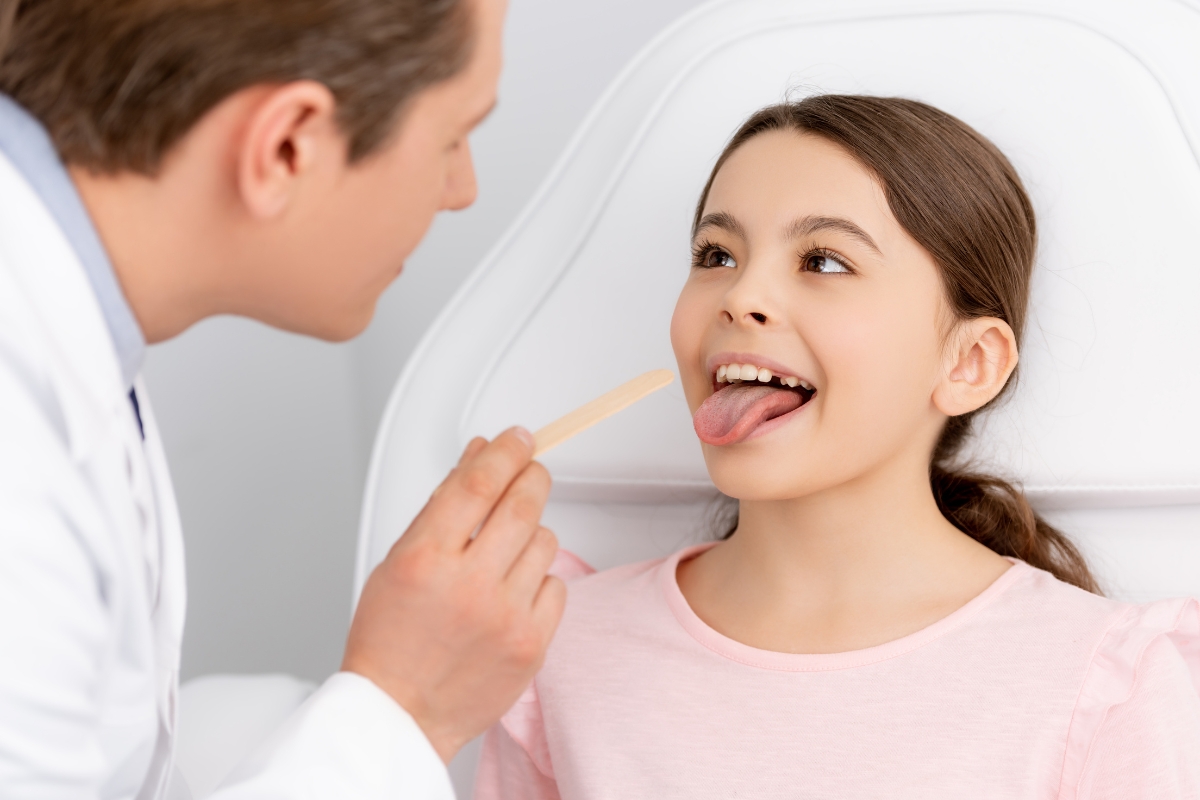
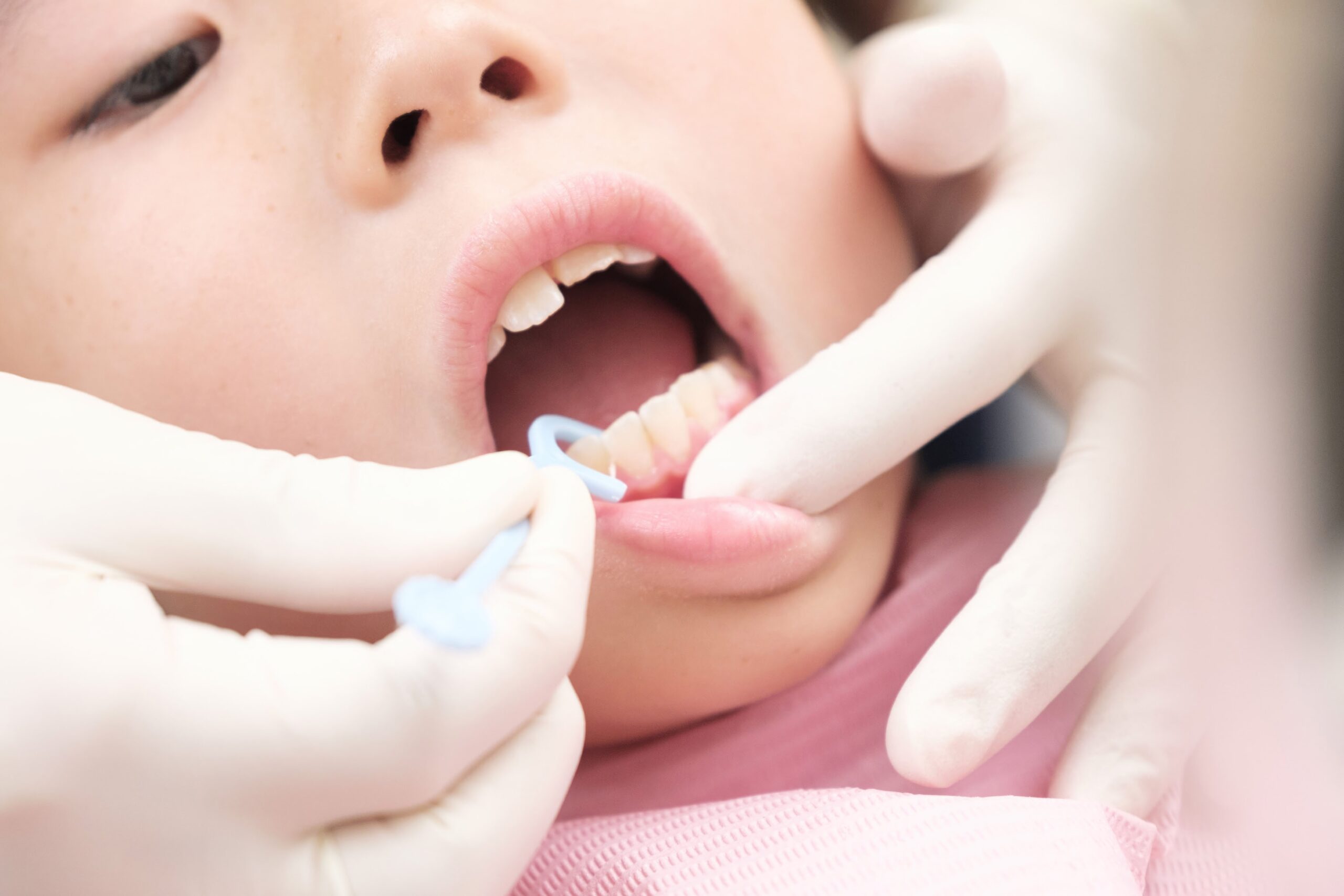
Early visits to a children’s dentistry in Spanaway do three things: they let the dentist check that development is on track, they give parents guidance on teething, brushing, and diet, and they let the child get comfortable with the dental environment before any treatment is ever needed. That last part is enormous. Children who grow up coming to the dentist regularly, starting from an age when there’s nothing scary happening, develop a baseline comfort that makes every future appointment easier.
We see families from all over Pierce County — Spanaway, Puyallup, South Hill, Frederickson, Tacoma, and Lakewood. If your child hasn’t had their first dental visit yet, or if it’s been a while since their last checkup, we’d love to meet them.
About Spanaway Children’s Dentistry
Spanaway Children’s Dentistry is a kid-focused dental practice serving families throughout Pierce County. Our team cares for children from infancy through their teenage years, with services including preventive care, restorative dentistry, sedation options, and orthodontic screening. We accept Washington Apple Health and most major PPO plans.
FREQUENTLY ASKED QUESTIONS
Q1: When do baby teeth start coming in and is there a normal order?
Baby teeth typically begin erupting between 4 and 12 months old, with most babies getting their first tooth around 6 months. They come in a fairly predictable sequence: lower front teeth first, then upper front teeth, then the lateral incisors on either side, followed by the first molars, canines, and finally the second molars. By around age 3, most children have all 20 primary teeth. There’s natural variation in this timeline, and arriving a few months earlier or later than average is generally not a concern unless teeth are absent well beyond the typical window.
Q2: My baby is 10 months old and has no teeth yet. Should I be worried?
Not necessarily. While most babies get their first tooth around 6 months, it’s well within the normal range to see no teeth until 12 to 14 months, and some children don’t get their first tooth until close to 18 months without any underlying problem. If your child is approaching 18 months with no teeth at all, it’s worth bringing up with your pediatric dentist not because it’s likely to be a serious issue, but because it’s useful to have a baseline check. Occasionally, delayed eruption is related to nutrition, genetics, or in rare cases, a developmental concern worth monitoring.
Q3: Do baby teeth really matter if they’re just going to fall out anyway?
Baby teeth matter much more than most parents initially expect. They hold space for the permanent teeth developing underneath when a baby tooth is lost too early, neighboring teeth drift into the gap and can block or crowd the incoming permanent tooth. Baby teeth are also essential for chewing, speech development, and simply keeping kids comfortable and able to eat normally. An untreated cavity in a baby tooth causes real pain and can even damage the permanent tooth beneath it. Caring for baby teeth isn’t about preserving them forever it’s about setting the permanent teeth up for a healthy arrival.
Q4: When do baby teeth start falling out and what’s the normal order?
Baby teeth typically start falling out around age 6 to 7, beginning with the lower and upper front teeth roughly the same sequence they erupted in. Most children lose their second molars (the last baby teeth) somewhere between ages 10 and 12, so the full process spans about five to six years. By around age 12 to 13, most children have a full set of permanent teeth except for wisdom teeth. If baby teeth are falling out significantly earlier than typical before age 4 or 5 that’s worth discussing with a pediatric dentist to rule out early decay or trauma as the cause.
Q5: What should I do if my child’s baby tooth is knocked out or broken?
If a baby tooth is knocked out completely, do not try to reinsert it reimplanting a baby tooth can damage the permanent tooth developing below it. Contact your pediatric dentist as soon as possible to assess whether there’s any injury to the gum or jawbone. If a baby tooth is chipped or cracked but still in place, call your dentist to determine whether treatment is needed. For any significant dental injury knocked-out tooth, broken tooth, injury to the lip or gum it’s always better to have it evaluated rather than wait and see. At Spanaway Children’s Dentistry, we’re available to help families across Spanaway, Puyallup, South Hill, and the surrounding area navigate dental emergencies.