


The Thirty-Minute Rule: Why Timing Matters after a Fluoride Application on Your Kids
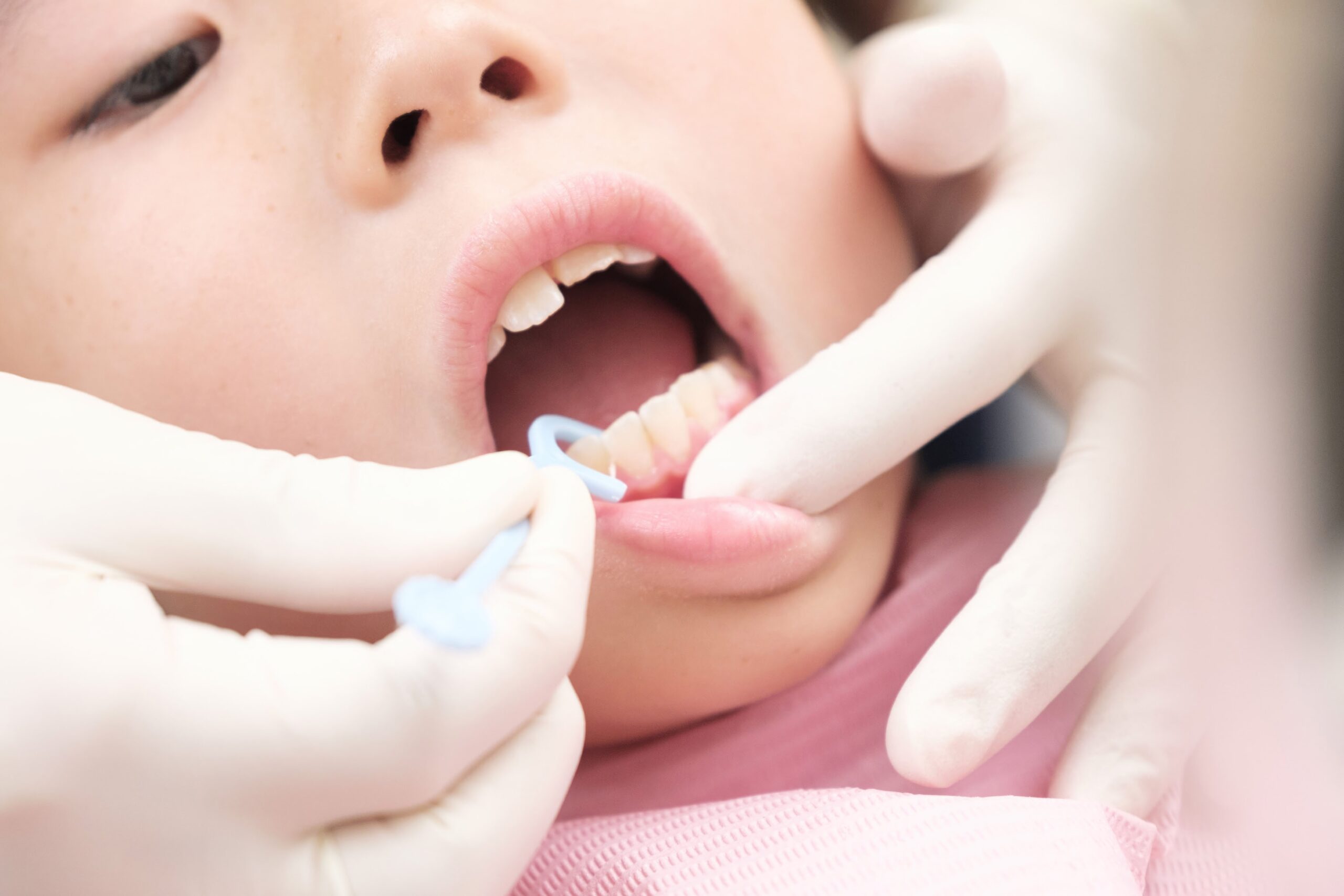
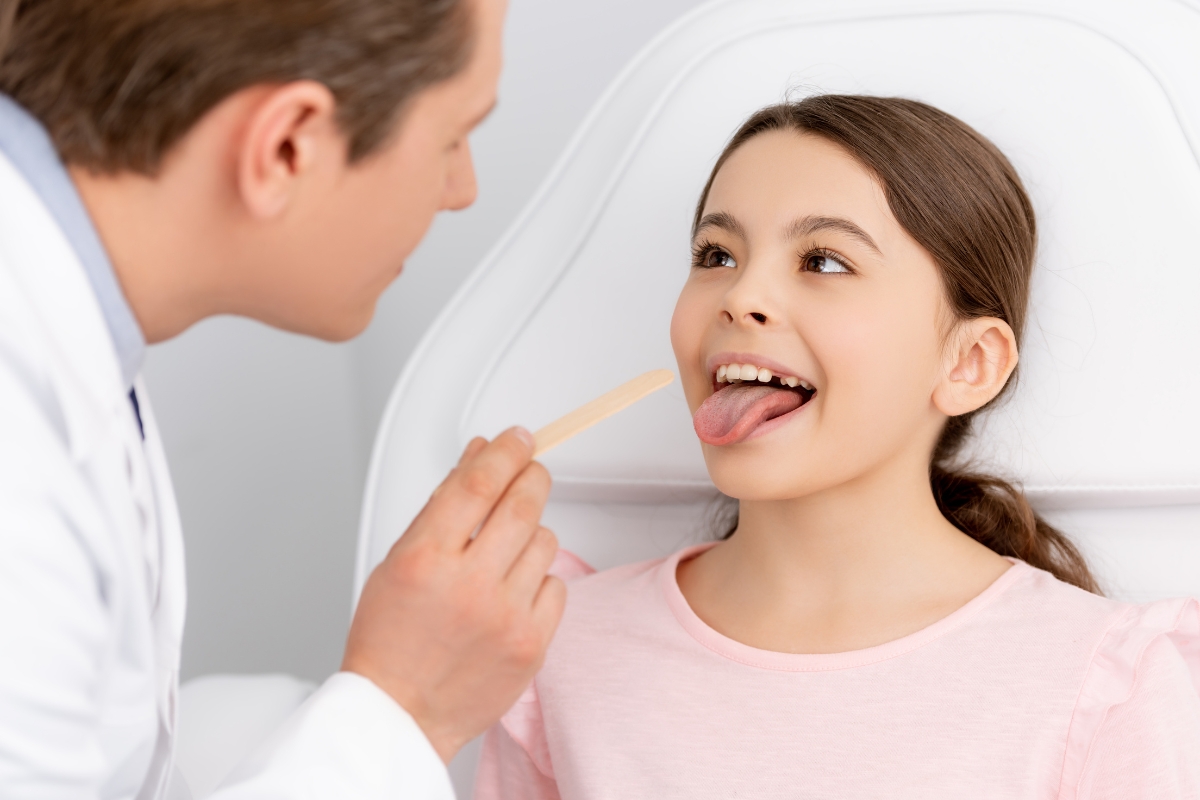
Picture this: You’ve just taken your child to Spanaway Children’s Dentistry for their routine checkup, and they’ve received a fluoride treatment. As you leave the office, you might wonder, what happens next? Fluoride is essential for your child’s oral health, but did you know that the timing right after the treatment matters? Many parents unknowingly overlook this crucial window, not realizing how important it is to wait before eating or drinking.
Fluoride applications help strengthen your child’s teeth and prevent cavities, but only if the treatment has enough time to work effectively. In this blog, we’ll dive into why waiting for 30 minutes after fluoride treatment is essential and how it contributes to long-term oral health for your child.
What Is Fluoride and How Does It Work?
Fluoride is a naturally occurring mineral that has been proven to enhance dental health by strengthening tooth enamel, the outer layer of the tooth that protects against decay. When applied topically in the form of fluoride treatments at the dentist’s office, it works by penetrating the enamel and facilitating remineralization. This process helps repair early damage caused by acids and bacteria, making the enamel stronger and more resistant to future damage.
For children, fluoride is especially important. As their teeth are still developing, they are more vulnerable to cavities and decay. Fluoride helps fortify their growing teeth by replenishing the minerals that are lost during the day, protecting them from the acids that can break down enamel.
Regular fluoride treatments at Spanaway Children’s Dentistry are essential for preventing cavities, reducing the risk of tooth decay, and keeping your child’s smile healthy for years to come. But here’s the catch: fluoride’s effectiveness hinges on timing, especially during the critical first 30 minutes after application.
The Thirty-Minute Rule: What Happens During This Period?
Fluoride Absorption:
After fluoride is applied to your child’s teeth, it begins to work almost immediately. Fluoride is absorbed into the enamel, the outer protective layer of the teeth. In the first 30 minutes, the fluoride ions penetrate the enamel, which is composed of minerals like calcium and phosphate.
Fluoride actively supports the remineralization process by replacing lost minerals from the enamel. This process helps strengthen the tooth structure, making it more resistant to cavities and decay. Without enough time for fluoride to properly absorb, it won’t be able to deliver its full protective benefits.
Importance of the Timing:
Timing is critical during this period because the fluoride needs time to bond with the enamel effectively. If your child consumes food, drinks, or even rinses their mouth too soon after the treatment, the fluoride will be washed away before it has a chance to properly bond.
The 30-minute window allows the fluoride to deeply penetrate and form a protective barrier within the enamel. This bond is essential for strengthening the teeth and repairing any early damage caused by acids or plaque.
By waiting the full 30 minutes, you ensure the fluoride has time to fully integrate with the enamel, providing maximum protection and ensuring your child’s teeth are fortified against future decay.
In short, the first 30 minutes after fluoride application are crucial for allowing the mineral to work its magic, strengthening your child’s teeth and providing long-lasting protection.
What Can Happen If You Don’t Wait?
Possible Risks:
If your child eats, drinks, or engages in any oral activities too soon after a fluoride treatment in Spanaway, they may lose the full benefits of the treatment. The fluoride needs time to bond to the enamel, and interrupting this process can prevent it from being as effective.
Consuming food or drink, especially acidic or sugary items, can wash away the fluoride before it has had a chance to properly absorb into the enamel. This means your child’s teeth will not receive the full protective effect, leaving them more vulnerable to cavities and decay.
How Immediate Actions Affect Fluoride’s Benefits:
Brushing, drinking, or eating immediately after the fluoride treatment can dilute or completely remove the fluoride from the teeth. For instance, brushing right away can scrub the fluoride off before it has adhered to the enamel, reducing its effectiveness in remineralizing and protecting the teeth. Drinking or eating can also interfere by introducing moisture or substances that dilute the fluoride, preventing it from forming a strong bond with the enamel.
Ultimately, rushing the process compromises the purpose of the fluoride treatment, leaving your child’s teeth less protected than they should be. For the best results, it’s important to wait at least 30 minutes before resuming normal activities, allowing the fluoride to fully penetrate the enamel and provide maximum protection.
Best Practices After a Fluoride Application
To make sure your child’s fluoride treatment is as effective as possible, here are some essential dos and don’ts:
Dos:
- Wait 30 Minutes: This is the most important rule! Make sure your child refrains from eating or drinking for at least 30 minutes after the fluoride treatment.
- Encourage Water Only: If your child feels thirsty, encourage them to drink water, but avoid sugary or acidic beverages.
- Wait to Brush: Hold off on brushing their teeth for at least an hour after the treatment. Brushing too soon can wipe away the fluoride before it’s had time to bond with the enamel.
Don’ts:
- Don’t Eat or Drink Immediately: Avoid foods or drinks right after fluoride application. This includes hot, cold, acidic, or sugary foods that can interfere with fluoride absorption.
- Avoid Sticky or Hard Foods: These can cling to teeth or put undue pressure on the enamel, potentially interfering with the treatment.
- Don’t Rinse Too Soon: Rinsing your child’s mouth with water or mouthwash right after the treatment can dilute or wash away the fluoride.
Other Tips for Maximizing Fluoride’s Effectiveness
Fluoride treatment is only part of maintaining your child’s oral health. Here are a few more tips to help maximize the effectiveness of a fluoride treatment in Spanaway and keep your child’s smile bright and healthy:
1. Incorporate Fluoride into Daily Care: Use fluoride toothpaste and mouth rinse to keep your child’s teeth strong and protected. Regular brushing with fluoride toothpaste helps maintain the enamel’s strength between visits.
2. Regular Dental Visits: Make sure to bring your child to Spanaway Children’s Dentistry regularly for checkups. Routine visits allow us to monitor their dental health, apply fluoride treatments as needed, and spot any issues before they become serious.
3. Encourage a Balanced Diet: A healthy diet is vital for maintaining strong teeth. Encourage your child to eat a balanced diet rich in calcium and limit sugary snacks that can contribute to tooth decay.
4. Proper Brushing and Flossing: Make sure your child is brushing and flossing correctly, using the proper techniques to maintain their fluoride protection and prevent cavities.
In conclusion, the 30-minute window after fluoride treatment is crucial for maximizing its benefits. By waiting the full 30 minutes before eating, drinking, or brushing, your child’s enamel will be able to fully absorb the fluoride, providing them with better protection against cavities and decay.
If you’re unsure about fluoride treatments or want to learn more about how to protect your child’s smile, don’t hesitate to contact Spanaway Children’s Dentistry. Our team is here to provide professional care and guidance to ensure your child’s teeth stay healthy and strong for years to come. Schedule an appointment today and give your child the gift of a lifetime of healthy smiles!
Frequently Asked Questions
How long should my child wait before eating or drinking after fluoride treatment?
Your child should wait at least 30 minutes after fluoride treatment to ensure the fluoride can bond properly to their teeth.
Can my child drink water right after fluoride treatment?
Yes, drinking water is fine, but avoid sugary or acidic beverages that can wash away the fluoride.
Why is timing so important after fluoride application?
Timing is crucial because fluoride needs 30 minutes to fully bond with the enamel, strengthening the teeth and preventing decay.
Is it safe to eat soft foods after fluoride treatment?
It’s best to wait 30 minutes before eating anything, even soft foods, to ensure the fluoride can fully work.
How often should my child receive fluoride treatments?
Your dentist will recommend the frequency based on your child’s oral health, but typically, fluoride treatments are given every 6-12 months.