



How Preventive Dental Care Reduces the Need for Restorative Treatments in Children
As a parent, nothing is harder than watching your child sit in a dental chair, anxious about a filling or a tooth extraction. The good news? Most of those procedures are entirely preventable. The secret lies in consistent, proactive preventive dental care — the kind that starts early and builds lifelong healthy habits.
At Spanaway Children’s Dentistry, we’ve built our entire practice philosophy around one powerful truth: an ounce of prevention is worth a pound of cure — especially when it comes to your child’s smile. Families throughout Spanaway have trusted us for years, and now we’re proud to extend the same compassionate, preventive-first care to children and families in Puyallup, Tacoma, and Lakewood.
In this guide, we’ll walk you through exactly how preventive dentistry works, why it matters for growing smiles, and how getting started early can save your child from pain — and your family from unexpected dental bills.
What Is Preventive Dental Care for Children?
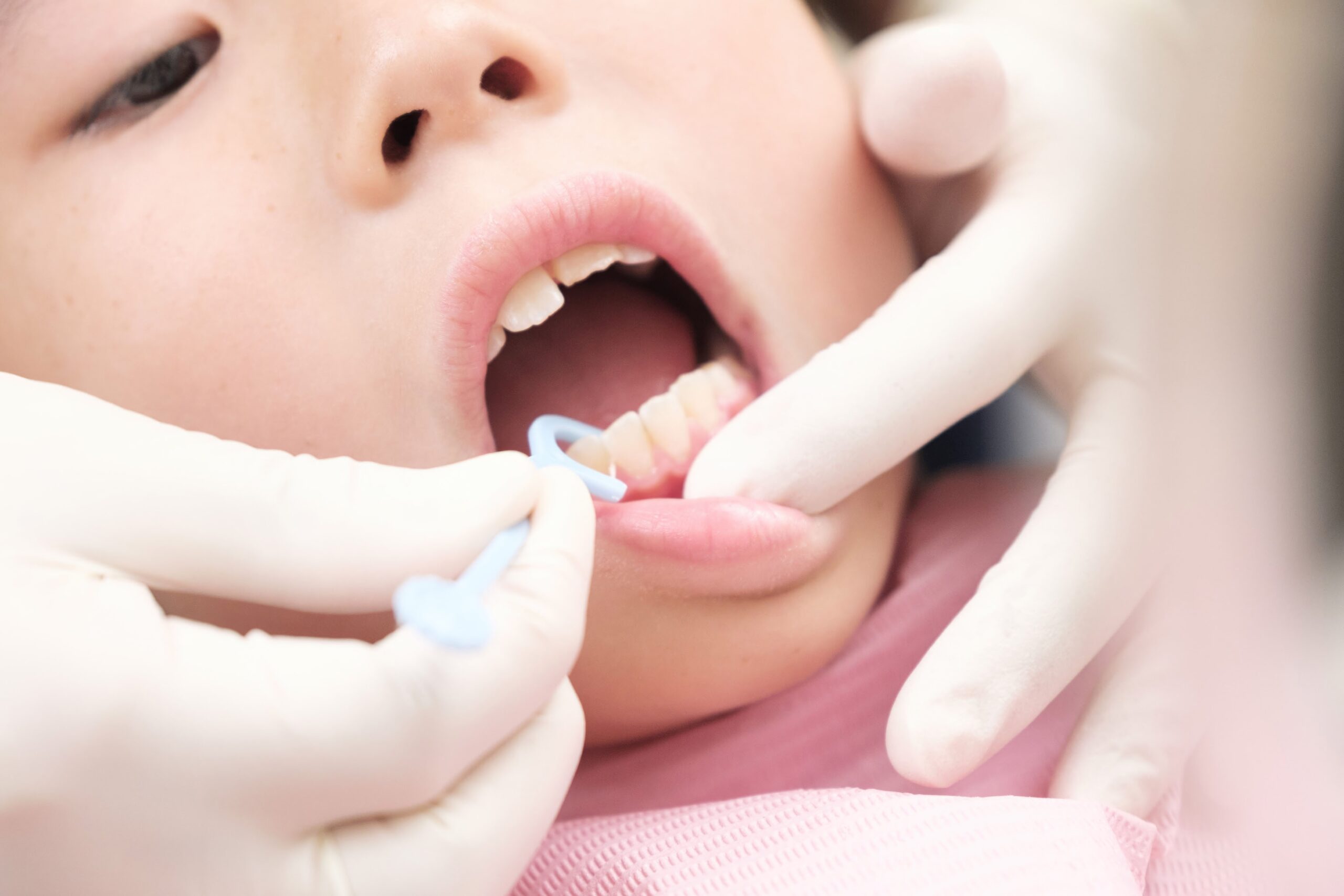
Preventive dental care is exactly what it sounds like — a proactive approach to keeping your child’s teeth, gums, and mouth healthy before problems develop. Rather than waiting for a cavity to form or a tooth to ache, preventive dentistry creates an ongoing shield against the most common childhood oral health issues.
Core preventive services include:
• Routine Cleanings & Exams: Professional cleanings every 6 months remove plaque and tartar that brushing can’t reach. Exams catch issues like early decay, misalignment, or gum concerns before they escalate.
• Dental Sealants: Thin protective coatings applied to the chewing surfaces of back molars — where 80% of childhood cavities occur — creating a physical barrier against bacteria and food particles.
• Fluoride Treatments: Professional fluoride applications strengthen enamel and help reverse the earliest signs of decay, significantly reducing cavity risk.
• Digital X-Rays: Low-radiation digital X-rays detect decay between teeth, issues below the gum line, and developing permanent teeth that aren’t yet visible.
• Oral Hygiene Education: Teaching children (and parents) proper brushing techniques, flossing habits, and dietary choices that protect teeth at home between visits.
• Mouthguards for Sports: Custom-fitted mouthguards for active kids who play contact sports, preventing tooth fractures and injuries.
• Early Orthodontic Screening: Identifying bite or alignment concerns early — before they require more extensive treatment — and monitoring jaw development.
How Preventive Care Directly Reduces Restorative Treatments
Restorative dentistry — fillings, crowns, pulpotomies (baby root canals), and extractions — becomes necessary when decay or damage has already progressed. Every one of these treatments can often be avoided with consistent preventive care. Here’s the connection:
1. Sealants Stop Cavities Before They Start
The molars in the back of a child’s mouth have deep grooves and pits that trap food and bacteria. Even with diligent brushing, these areas are incredibly difficult to clean. Dental sealants fill in those grooves, making the surface smooth and easy to clean — cutting cavity risk in those teeth by up to 80%. One sealant application can protect a tooth for years, entirely eliminating the need for a filling in that spot.
2. Fluoride Reverses Early Decay
Cavities don’t appear overnight. There’s an early stage called “demineralization” — a white spot on the tooth where the enamel is weakening but hasn’t yet broken down into a cavity. At this stage, professional fluoride treatments can actually reverse the process and reharden the enamel. Catching and treating a demineralized spot means no drill, no filling, no anesthesia — just a simple preventive treatment at a routine appointment.
3. Regular Exams Catch Small Problems Early
A small cavity treated early requires a small, simple filling. Left undetected, that same cavity can grow to reach the nerve of the tooth — requiring a pulpotomy or even extraction. Regular 6-month checkups ensure our dentists catch decay at its earliest, most treatable stage, keeping procedures simple and minimal.
4. Professional Cleanings Prevent Gum Disease
While gum disease is more commonly associated with adults, gingivitis (the earliest stage) is surprisingly common in children. Plaque that hardens into tartar below the gumline can only be removed by a dental professional. Biannual cleanings remove this buildup and keep gum tissue healthy — preventing the inflammation and bone loss that can affect even permanent teeth.
5. Oral Hygiene Guidance Creates Lasting Habits
Children who learn proper brushing, flossing, and dietary habits early are far less likely to develop cavities throughout their lives. Our hygienists work with both kids and parents at every visit, making sure everyone understands what’s working and where there’s room to improve. These habits established in childhood carry into adulthood — reducing the need for restorative care for decades.
Consistent access to a pediatric dentist near you makes it easier to stay on track with your child’s preventive and restorative dental care. Exploring nearby locations can help you choose a convenient option that fits your routine while ensuring your child receives care in a comfortable and supportive environment.
Why Pierce County Families Choose Spanaway Children’s Dentistry
Our practice was built from the ground up for children — and it shows in every aspect of the experience. Here’s what sets us apart:
• Board-Certified Pediatric Dentists: Our dentists have completed 2–3 years of additional specialty training beyond dental school specifically in pediatric dental care, child development, and behavior management.
• Fear-Free Environment: From our cheerful, child-friendly office design to our gentle communication style, we work hard to make every child feel comfortable, safe, and even excited about dental visits.
• Preventive-First Philosophy: We don’t just treat problems — we actively work to prevent them. Every visit includes education, personalized risk assessment, and a prevention plan tailored to your child.
• Advanced Technology: Digital X-rays (up to 90% less radiation), laser cavity detection, and digital records mean more accurate diagnoses with less discomfort.
• Bilingual Staff: We proudly serve families from all backgrounds and offer bilingual support to ensure every parent and child feels understood and cared for.
• Flexible Scheduling & Insurance: We accept most major dental insurance plans and offer flexible scheduling to accommodate busy family lives across Spanaway, Puyallup, Tacoma, and Lakewood.
5 Preventive Dental Habits Every Parent Should Start Today
Great oral health isn’t just built at the dental office — it’s built at home every single day. Here are five evidence-based habits that dramatically reduce your child’s risk of cavities and gum disease:
• 1. Brush Twice Daily with Fluoride Toothpaste: Use a rice-grain amount for children under 3 and a pea-sized amount for ages 3–6. Help your child brush until they’re about 8 years old to ensure all surfaces are cleaned.
• 2. Floss Daily Starting at Age 2: As soon as two teeth touch, flossing becomes important. Floss picks made for kids can make this easier and more fun.
• 3. Limit Sugary and Acidic Foods & Drinks: Juice, sports drinks, and sticky snacks feed the bacteria that cause cavities. Offer water as the primary beverage and save sweets for mealtimes rather than snacking.
• 4. Use a Mouth Rinse if Age-Appropriate: For children 6 and older, a fluoride mouth rinse adds another layer of protection, especially for kids who are high-risk for cavities.
• 5. Schedule Dental Visits Every 6 Months: Consistent, twice-yearly checkups are the cornerstone of preventive care. Don’t wait until something hurts — by then, a simple problem may have become a complex one.
Supporting Preventive Pediatric Dental Care for Families in Nearby Communities
Access to consistent preventive dental care plays a key role in maintaining a child’s long-term oral health. Many families from nearby communities like Puyallup, Tacoma, and Lakewood look for a pediatric dental team that focuses on early prevention, gentle care, and long-term guidance as their children grow.
A preventive-first approach helps children stay ahead of common dental concerns through regular checkups, professional cleanings, and age-appropriate treatments such as fluoride applications and dental sealants. These visits also allow pediatric dentists to monitor development, identify early signs of decay, and guide parents on habits that support healthier smiles at home.
For families in these surrounding areas, having access to a trusted pediatric dental team means children can receive timely care in a familiar and supportive environment. Whether it’s a child’s first dental visit or ongoing preventive care, consistency helps build comfort, confidence, and better oral health outcomes over time.
Frequently Asked Questions About Preventive Kids’ Dentistry
At what age should my child first see a dentist?
By their first birthday or within 6 months of their first tooth — whichever comes first. Early visits are short, gentle, and primarily educational for parents.
Are dental sealants safe for children?
Yes. Dental sealants have been used safely for over 50 years. They are BPA-free and are one of the most effective, evidence-based preventive tools available for children’s teeth.
How often should my child get dental X-rays?
This depends on your child’s individual risk. Many children receive X-rays once a year, but some may need them more or less frequently. Our team uses digital X-rays, which use up to 90% less radiation than traditional film.
Does my child need fluoride treatments if we drink fluoridated water?
For many children, professional fluoride treatments provide additional protection beyond what water fluoridation provides — particularly for children at higher risk of decay. Our dentists will assess your child’s individual needs.
My child has no visible problems. Do they still need a checkup?
Absolutely. Many dental problems are not visible or painful in their early stages. Regular exams allow us to detect and address issues before they become serious — that’s the entire point of preventive care.
Do you see patients from Puyallup, Tacoma, and Lakewood?
Yes! While our main office is located in Spanaway, we warmly welcome families from Puyallup, Tacoma, Lakewood, and all surrounding Pierce County communities. We are actively expanding to serve more families in these areas.