


Are You Facing These Dental Issues with Your Child? Contact Us Right Now for Preventive Care
Keeping your child’s smile healthy is an important responsibility, and it starts with preventive care. If you’re in Spanaway, WA, and have been putting off your child’s dental checkup, it’s time to stop. Don’t wait for a toothache to prompt a visit—by the time your child is in pain, cavities may already be taking hold. At Spanaway Children’s Dentistry, we’re here to ensure your child’s teeth stay strong and healthy through regular preventive care. Let’s dive into why preventive care should be a priority.
Why Preventive Care is Crucial for Kids’ Teeth
Dental problems in children can escalate quickly, and it’s not always easy to catch them before they become painful or expensive to treat. Children are more prone to cavities for several reasons, including thinner enamel, sugary snacks, and inconsistent brushing habits. Plus, children are still learning the best way to care for their teeth. Preventive care gives you the tools to stay ahead of these issues and prevent more serious dental problems later.
Preventive care in Spanaway, WA, isn’t just about fixing problems; it’s about preventing them altogether. Regular dental visits, cleanings, fluoride treatments, and other preventive measures can help keep your child’s smile in great shape.
What Does Preventive Care Include?
Preventive care is more than just brushing and flossing at home. Here’s what it involves:
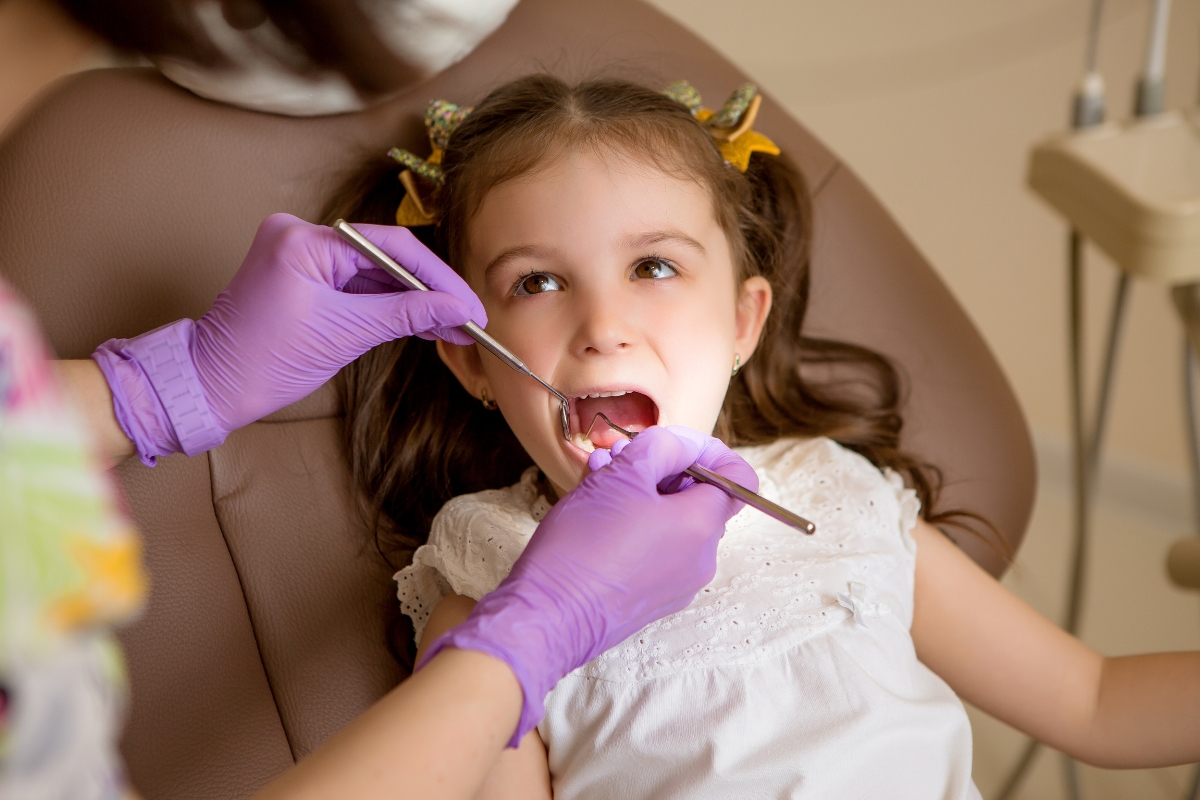
- Regular Dental Checkups: Visiting the dentist every six months is the key to spotting potential issues early. A checkup helps identify cavities, gum disease, and any other dental issues that might be developing under the surface.
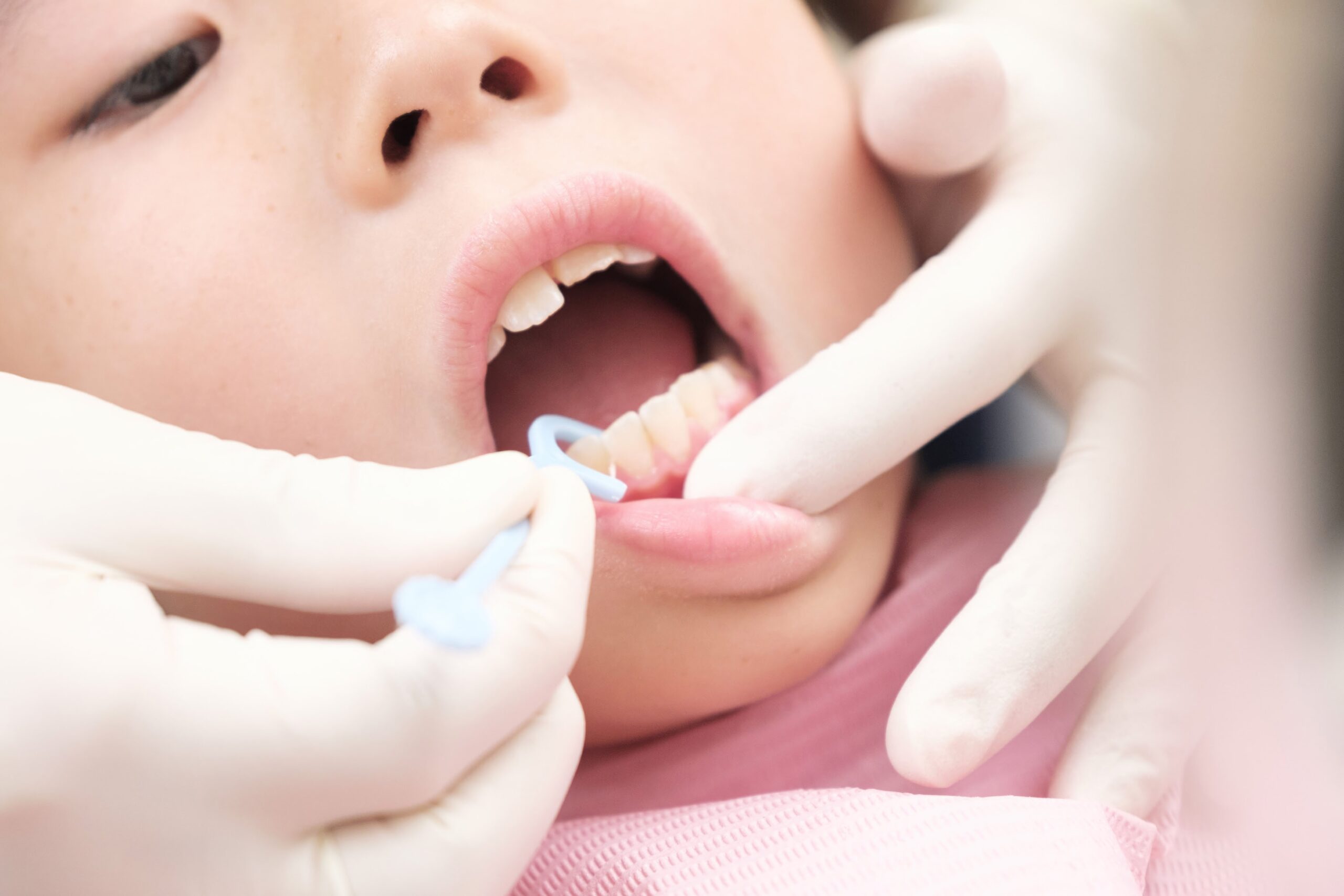
- Cleanings: Even with great brushing habits, plaque and tartar can build up in places your child’s toothbrush can’t reach. Cleanings remove this buildup, helping to prevent cavities and gum disease.
- Fluoride Treatments: Fluoride helps strengthen your child’s teeth, making them more resistant to cavities. This treatment is especially helpful for kids who are still learning to brush effectively.
- Dental Sealants: Sealants are a thin coating applied to the chewing surfaces of back teeth to protect them from cavities. This simple procedure can reduce the risk of cavities by up to 80% in the back molars.
- X-rays: X-rays are essential for identifying problems that aren’t visible to the naked eye, such as cavities between teeth or issues below the gum line. Detecting issues early can help prevent more serious problems in the future.
- Parent Education: Every visit to the dentist includes helpful tips on proper brushing and flossing techniques. Our team also provides advice on healthy eating habits that contribute to oral health.
How You Can Help at Home
At-home dental care plays a crucial role in preventing cavities and other dental issues. Here are some simple habits you can implement:
- Brush Twice a Day: Encourage your child to brush their teeth in the morning and before bed. Make sure they brush for two minutes each time.
- Floss Daily: Flossing helps remove plaque and food particles between teeth where a toothbrush can’t reach. If your child is too young to floss, help them until they’re able to do it on their own.
- Limit Sugary Snacks and Drinks: Sugary foods and drinks feed harmful bacteria, which can lead to cavities. Try to limit these and offer healthier snacks instead.
- Encourage Healthy Habits: Drinking plenty of water, eating fruits and vegetables, and avoiding constant snacking can help protect your child’s teeth from decay.
When to See the Dentist
Even with the best preventive care at home, there may be times when your child needs to visit the dentist for an issue that can’t be prevented. Watch for these signs:
- Tooth Sensitivity: If your child complains of sensitivity to hot, cold, or sweet foods, it could be a sign of cavities or gum problems.
- Visible Spots or Holes: Dark spots or holes in your child’s teeth are often signs of cavities.
- Toothache: If your child complains of a toothache, especially if it’s persistent, it’s time to call the dentist.
- Bad Breath: Persistent bad breath can sometimes indicate that there’s a buildup of plaque or bacteria in your child’s mouth.
Catching these issues early can make treatment much simpler and prevent more serious problems down the road.
Why Baby Teeth Matter
Some parents might think that baby teeth don’t need as much attention because they’re eventually replaced with permanent teeth. However, baby teeth play a vital role in your child’s dental development. They help with chewing, speaking, and guiding permanent teeth into place. If baby teeth decay or fall out too early, it can lead to misalignment and other dental issues.
Baby teeth also serve as placeholders for permanent teeth. If decay causes them to fall out prematurely, it can shift permanent teeth, resulting in crowding or other issues. That’s why treating cavities in baby teeth is just as important as caring for permanent teeth.
The Importance of Consistent Visits
Regular dental visits are critical to your child’s dental health. Most children should visit the dentist every six months for preventive care in Spanaway, WA. However, if your child has a higher risk of cavities—due to diet, genetics, or other factors—more frequent visits might be necessary. Talk to your dentist about your child’s individual needs to determine the best visit schedule.
Conclusion: Get Started with Preventive Care Today
Don’t wait until your child has a toothache to visit the dentist. Early and consistent preventive care is the best way to keep their smile healthy and free of cavities. At Spanaway Children’s Dentistry, we offer a wide range of preventive services designed to protect your child’s teeth now and in the future. Contact us today to schedule an appointment and give your child the gift of a healthy smile!
Call to Action: Protect Your Child’s Smile Today!
Ready to start your child’s journey toward better dental health? Contact Spanaway Children’s Dentistry now to schedule their next visit for preventive care in Spanaway, WA. Our friendly team is here to provide the care your child needs for a lifetime of healthy smiles.
Common Questions People Ask
What should I do if my child has a toothache?
Rinse your child’s mouth with warm water, apply a cold compress, and contact your dentist for a same-day appointment.
How can I prevent my child from having dental emergencies?
Encourage proper oral hygiene, use a mouthguard during sports, and schedule regular dental checkups.
What should I do if my child’s tooth gets knocked out?
Find the tooth, rinse it gently, and either place it back in the socket or keep it in milk. Contact the dentist immediately.
When should I visit the dentist for a cracked tooth?
If your child has a cracked tooth, schedule an appointment immediately to prevent further damage or infection.