


Why Preventive Dental Care Is the Smartest Thing You Can Do for Your Child’s Teeth
Is your child due for a dental checkup — and you keep pushing it off? You’re not alone. Life gets busy, especially around Spanaway, between school runs, sports practice at Sprinker Recreation Center, and everything else on your plate. But here’s the truth: skipping preventive visits is where small dental problems quietly turn into big ones.
If your child hasn’t seen a dentist in the last six months, call us today before the next school term sneaks up on you.
What Preventive Dental Care Actually Means for Kids
Most parents think dental visits are only necessary when something hurts. That’s one of the most common — and costly — misconceptions in children’s oral health.
Preventive dental care focuses on stopping problems before they start. For kids, that means:
- Routine cleanings every six months
- Dental exams to catch early signs of cavities or bite issues
- Fluoride treatments to strengthen enamel
- Dental sealants are applied to back molars to block decay
- X-rays (taken safely and only when needed) to see what’s happening beneath the surface
Children’s teeth are more vulnerable than adult teeth. The enamel is thinner, and habits form early. What happens in these years shapes their oral health for decades.
Families seeking preventive care in Spanaway, WA, have access to kid-friendly dental services that make these visits comfortable and stress-free — not something children dread.
What Happens at a Preventive Visit
Here’s what a typical checkup looks like, so you and your child know what to expect:
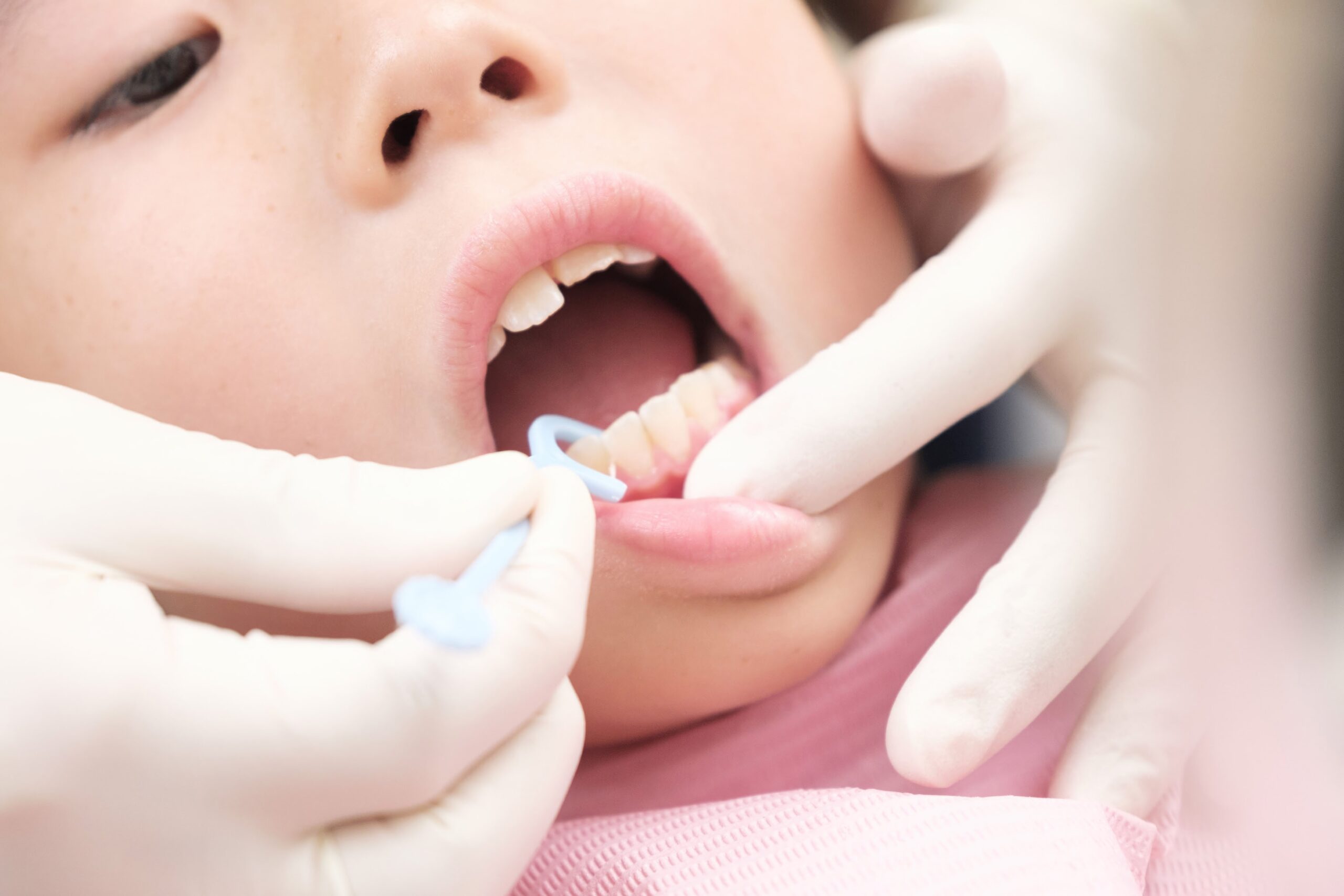
- 1. Cleaning: A dental hygienist gently removes plaque and tartar buildup — even from areas that regular brushing misses.
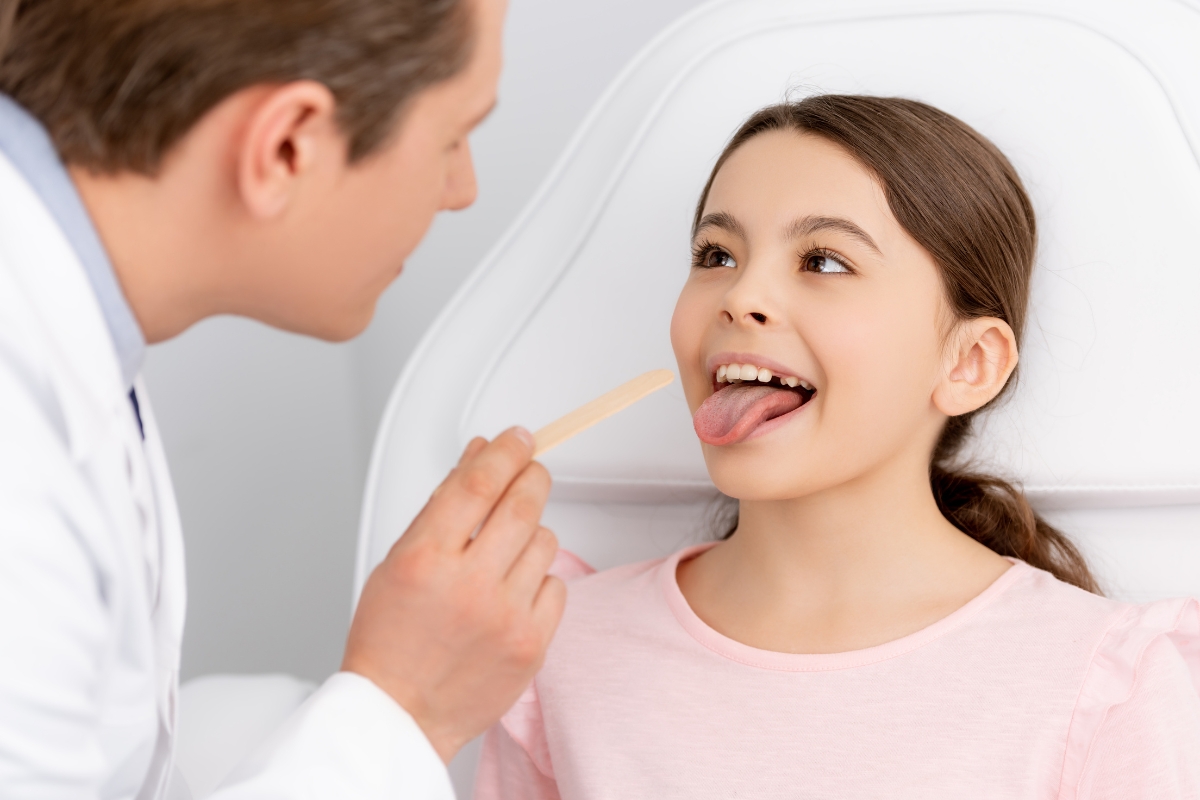
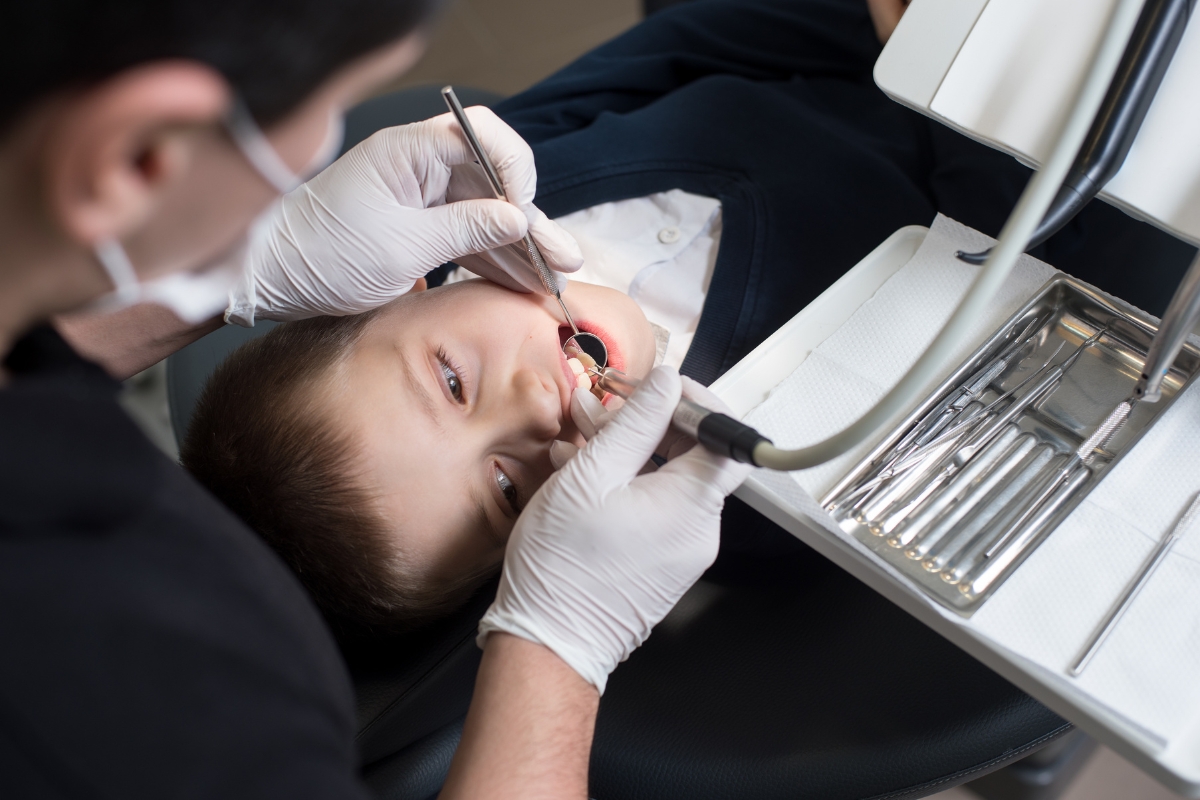
- 2. Exam: The dentist checks each tooth for early decay, looks at gum health, and evaluates jaw and bite development.
- 3. Fluoride Treatment: A quick application of fluoride gel or varnish helps protect enamel between visits. It’s fast, painless, and very effective.
- 4. Sealants (if recommended): Thin protective coatings placed on back teeth help prevent cavities in the grooves where food and bacteria tend to collect.
- 5. Guidance for Parents: You’ll get practical tips — brushing techniques, diet advice, and what to watch for at home.
The whole visit usually takes under an hour. Simple, straightforward, and genuinely helpful.
Why Starting Early Matters
The American Academy of Pediatric Dentistry recommends a child’s first dental visit by their first birthday or when the first tooth appears — whichever comes first.
That might sound early, but there’s a good reason. Early visits:
- Help kids get comfortable in the dental chair before anxiety builds
- Allow dentists to catch developmental issues at the right time
- Establish a routine that kids carry into adulthood
- Reduce the need for more complex (and more expensive) treatments later
Children who start dental visits and professional preventive care early in Spanaway, WA, are significantly less likely to need restorative procedures like fillings or crowns down the line.
Simple Habits That Make a Real Difference at Home
Dental visits are only part of the picture. What happens at home matters just as much.
- Brush twice daily with a fluoride toothpaste (a pea-sized amount for kids over 3)
- Floss once a day — yes, even for young kids with tight teeth
- Limit sugary snacks and drinks, especially juice and sports drinks
- Make sure your child drinks water, ideally fluoridated tap water
- Replace toothbrushes every three months or after illness
These aren’t complicated changes — they’re consistent ones. And consistency is what builds lasting oral health.
The Bigger Picture: Oral Health Affects Overall Health
This is something many parents don’t realize: a child’s mouth health is connected to their overall well-being.
Untreated cavities can cause pain that interferes with eating, speaking, sleeping, and concentration at school. Chronic dental pain has been linked to missed school days and difficulty focusing. Taking care of teeth isn’t just about teeth — it’s about helping your child feel and function their best every day.
Your Child’s Dental Health Deserves Attention Now
Preventive care in Spanaway, WA, is always simpler, gentler, and more affordable than treatment. Waiting until there’s pain means the problem has already progressed further than it needed to.
At Spanaway Children’s Dentistry, the focus is on making every visit a positive one — building trust with young patients, keeping parents informed, and delivering thorough care without being overwhelming.
Whether your child is coming in for their very first visit or is overdue for a routine cleaning, the team is ready to help.
Ready to Schedule?
Don’t wait for a toothache to make the call. Contact Spanaway Children’s Dentistry today to book a preventive visit for your child. Early care means fewer problems — and a healthier, happier kid.
Common Questions People Ask
1. At what age should my child first visit the dentist?
The first visit should happen by age one or when the first tooth comes in, whichever is earlier.
2. How often does my child need a dental cleaning?
Most children benefit from cleanings every six months. Some with higher cavity risk may need more frequent visits.
3. What are dental sealants, and does my child need them?
Sealants are thin protective coatings applied to back teeth. Your dentist will determine whether they’re right for your child based on your child’s specific risk factors.
4. Is fluoride treatment safe for children?
Yes. Fluoride strengthens tooth enamel and is considered safe and effective by major dental and health organizations.
5. What if my child is nervous about the dentist?
Pediatric dental offices are designed with children in mind — from the environment to the communication style. Bringing your child in early and regularly helps reduce anxiety over time.
6. Can cavities in baby teeth affect permanent teeth?
Yes. Severe decay in baby teeth can damage the developing permanent teeth beneath them and cause spacing problems.
7. How can I prepare my child for their first dental visit?
Talk about it positively beforehand, read books about dental visits, and avoid using words like “hurt” or “pain.” Letting them know it’s a friendly checkup helps set the right expectations.