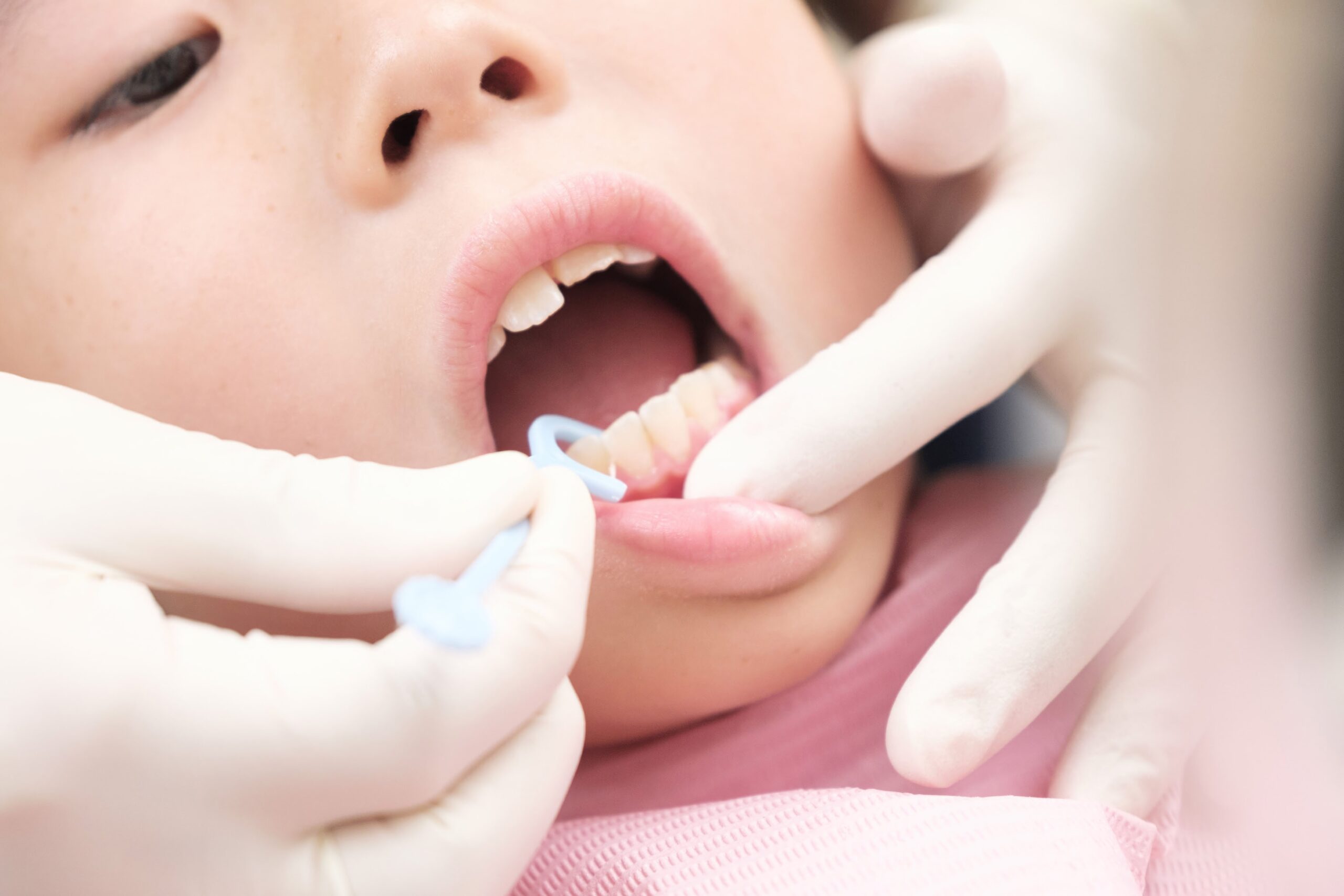




How Pediatric Dentists Identify High-Risk Cavities Early
Cavities don’t appear overnight. In many cases, tooth decay develops gradually, often without obvious symptoms in the early stages. This is why pediatric dentists focus heavily on identifying children who may be at a higher risk for cavities—long before the problem becomes visible or painful.
Early detection allows for timely preventive care, reducing the likelihood of more complex restorative treatments later.
What Are High-Risk Cavities in Children?
High-risk cavities refer to situations where a child is more likely to develop tooth decay due to specific habits, conditions, or underlying risk factors. Rather than waiting for visible signs like pain or dark spots on the teeth, pediatric dentists take a proactive approach by identifying early patterns that could lead to future dental concerns. This includes evaluating daily routines, dietary habits, oral hygiene practices, and even environmental factors that may influence a child’s oral health.
For example, frequent snacking on sugary or sticky foods, inconsistent brushing, limited fluoride exposure, or a history of cavities can all increase a child’s risk. In some cases, factors like enamel strength, saliva quality, or even how teeth are aligned can make certain children more prone to decay than others.
Because these risks can vary widely from one child to another, a personalized evaluation becomes essential. Pediatric dentists use this information to create tailored preventive care plans, helping to address potential issues early and reduce the likelihood of more advanced dental problems developing over time.
Key Factors Pediatric Dentists Evaluate
1. Oral Hygiene Habits
Brushing and flossing routines are one of the first indicators. Inconsistent or improper oral care can allow plaque to build up, increasing the risk of decay.
2. Dietary Patterns
Frequent consumption of sugary snacks, juices, or sticky foods significantly increases cavity risk. Pediatric dentists often assess how often and when children consume these foods.
3. Previous History of Cavities
Children who have had cavities before are more likely to develop them again. This helps dentists categorize patients into higher-risk groups.
4. Tooth Structure and Alignment
Deep grooves in teeth or crowded spacing can make certain areas harder to clean, creating ideal conditions for decay.
5. Fluoride Exposure
Fluoride strengthens enamel and helps prevent cavities. Limited exposure—whether through water or treatments—can increase susceptibility.
How Pediatric Dentists Detect Early Signs of Decay
Early detection goes beyond visual examination. Pediatric dentists use a combination of techniques to identify potential issues:
- Careful clinical exams to spot early enamel changes
- Digital X-rays to detect hidden decay between teeth
- Monitoring plaque accumulation patterns
- Assessing gum health and early inflammation
These evaluations help identify concerns before they progress into cavities that require fillings or crowns.
The Role of Preventive Care in Managing Risk
Once a child is identified as high-risk, a preventive care plan is tailored to their needs. This may include:
- More frequent dental checkups
- Professional cleanings to remove plaque buildup
- Fluoride treatments to strengthen enamel
- Dental sealants to protect vulnerable teeth
Why Early Identification Matters
Detecting cavity risk early can make a significant difference in a child’s overall dental experience. Preventive care not only helps avoid discomfort but also reduces the need for more involved restorative procedures.
Children who receive early and consistent care are more likely to:
- Maintain healthier teeth as they grow
- Feel more comfortable during dental visits
- Develop positive oral hygiene habits
Supporting Families with Preventive Pediatric Dental Care
Consistent dental care plays an important role in helping children stay ahead of potential dental concerns. Families from nearby communities like Puyallup, Tacoma, and Lakewood often rely on a pediatric dental team that emphasizes early detection and prevention.
Having access to a trusted provider makes it easier to maintain regular visits, monitor changes over time, and ensure children receive the right care at the right stage.
The Importance of Convenient Access to Pediatric Dental Care
Having a pediatric dentist nearby can make a meaningful difference in maintaining regular checkups and consistent preventive care for children. Families from surrounding communities like Puyallup, Tacoma, and Lakewood often benefit from having a conveniently located dental provider, making it easier to stay on schedule with routine visits. This accessibility helps reduce missed appointments and allows pediatric dentists to monitor a child’s oral health closely, identify early signs of concern, and provide timely preventive treatments.
Convenience also plays a key role in building long-term habits and comfort with dental care. When visits are easy to manage within a family’s routine, children are more likely to feel relaxed and familiar with the dental environment over time. This consistency not only supports better oral health outcomes but also gives parents ongoing guidance on at-home care, nutrition, and preventive strategies—helping children develop healthy smiles that last well into the future.
FAQs
How do pediatric dentists determine if a child is at high risk for cavities?
They evaluate factors like oral hygiene, diet, past dental history, and enamel strength to assess overall risk.
At what age should cavity risk be assessed?
Risk assessment typically begins during a child’s first dental visit and continues as they grow.
Can high-risk cavities be prevented?
Yes, with proper preventive care, regular checkups, and healthy habits, the risk can be significantly reduced.